Comprehensive Guide to Wide Brim Felt Cowboy Hats

Intro
The allure of wide brim felt cowboy hats stretches back through the dusty trails of American history, evoking images of sun-soaked landscapes and rugged individualism. These hats are more than mere accessories; they represent a cultural icon that has evolved alongside the people who wear them. With a storied past, they reflect the craftsmanship and artistry inherent in their creation as much as they signify personal style choices today.
From the golden age of the Wild West to the bustling streets of modern cities, the journey of wide brim felt cowboy hats symbolizes a blend of tradition and contemporary fashion. Whether you’re a seasoned fashion designer, a stylist on the lookout for unique pieces, or a retailer keen on stocking your shelves with timeless accessories, understanding the nuances of these hats is crucial.
Let’s dive into the vibrant world of wide brim felt cowboy hats, exploring their historical roots, craftsmanship, and contemporary significance in fashion today.
Preface to Wide Brim Felt Cowboy Hats
Wide brim felt cowboy hats are more than mere accessories; they are emblematic of a culture steeped in history and identity. They capture the spirit of the rugged west while merging functionality with style. This section lays the groundwork for understanding why these hats are not just popular with ranchers and cowhands, but also embraced by fashion enthusiasts around the globe.
The history of cowboy hats stretches far and wide, often interwoven with tales of adventure and innovation. Identifying them, particularly the wide-brim variety, opens a broader discourse on their role in society beyond practical wear.
Defining the Cowboy Hat
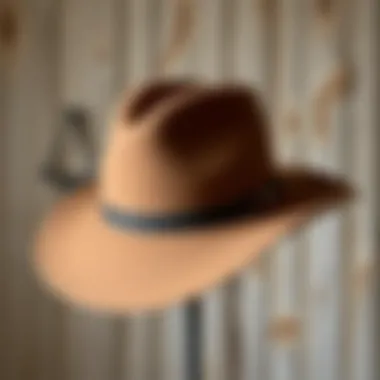
When we talk about cowboy hats, we delve into a category that stands distinct among other headgear. Not all hats can claim the rugged character and the practical design features of a cowboy hat. Often characterized by their distinctive high crown and wide brim, these hats serve several purposes. They protect against the harsh sun while also providing shelter from the rain. A cowboy hat can speak volumes about the wearer's personality, lifestyle, and sometimes, even their locality.
Cowboy hats come in various materials, but felt is particularly favored for its durability and warmth. The felt used in these hats is commonly made from animal fur, providing an elegant texture and robust construction.
Significance of the Wide Brim
The wide brim on cowboy hats holds significant importance, both functionally and aesthetically. It isn’t just for show; it serves vital practical functions. The extended brim offers increased sun protection, safeguarding the wearer’s face and neck from harmful UV rays. Furthermore, a wide brim helps keep rain off the face, ensuring visibility and comfort, especially for those working in the field.
From a fashion perspective, the wide brim has become a statement of style. It allows individuals to express their personal aesthetic while maintaining a traditional essence. In various regional styles, the width of the brim can vary, reflecting local identities and customs.
"The cowboy hat, with its wide brim and high crown, isn’t simply a hat; it is a symbol of freedom, self-reliance, and the great American spirit."
In summary, wide brim felt cowboy hats serve multifaceted roles, balancing utility with a distinctive flair. Their significance stretches far beyond functionality, making them a vital part of modern fashion and a touchstone of cultural heritage.
Historical Context
When discussing wide brim felt cowboy hats, it’s vital to unpack the historical context that surrounds them. These hats aren’t merely fashion statements; they are imbued with the ethos of a bygone era, rich in the lore of the American West and beyond. Understanding their origins and evolution can provide valuable insights into their cultural significance and the craftsmanship that elevates them from simple headgear to iconic symbols.
Origins of Cowboy Hats
The cowboy hat, particularly in its wide-brimmed felt iteration, can trace its ancestry back to the practical needs of working ranchers and cattle herders in the 19th century. The expansive plains demanded a protection that was not only functional but also versatile. Early hats, often made from materials like straw or leather, were designed to shield the wearer from the relentless sun and adverse weather conditions. However, the introduction of felt—sourced from the fur of rabbits, beavers, or other animals—marked a pivotal change.
"The wide brim of felt hats became synonymous with the resilience and rugged spirit of the American cowboy."
As ranching expanded, so too did the necessity for a durable hat that could withstand the rigors of the daily grind. This led to the innovative designs that began to emerge by the turn of the 20th century. The hats not only protected against the elements but also acted as a canvas for personal expression—each style reflecting the wearer's individuality, social status, and geographical roots. The emphasis on functionality was mirrored in the commitment to craftsmanship, where skilled hatters invested time and artistry into creating each piece.
Evolution of Styles
As the cowboy lifestyle began to be romanticized in the early 20th century, the evolution of styles took on a new dimension. What started as utilitarian headgear quickly transformed into fashion statements and cultural symbols. The wide brim felt cowboy hat gained popularity in film, in literature, and across diverse forms of media, reinforcing its association with a rugged Americana.
From the iconic Stetson to other notable brands such as Resistol and Charlie 1 Horse, each manufacturer added their unique twist to the design, cultivating a variety of styles that appealed to different tastes. For instance, some hats featured more drastic shapes and embellishments, while others maintained a classic, timeless essence.
With the rise of fashion icons and pop culture references, the cowboy hat found a new audience beyond ranchers. Designers began to incorporate these hats into their collections, merging traditional craftsmanship with modern fashion sensibilities. This blend of old and new continues today, with wide brim felt cowboy hats being sported in both rural and urban settings.
For a deeper dive into cowboy hat history, consider visiting resources like The Cowboy Hat History on Wikipedia or explore the detailed articles at Britannica.
Materials Used in Cowboy Hats
The materials chosen for cowboy hats play a crucial role in their functionality, aesthetic appeal, and overall performance. Given that these hats have a long history of being used in rugged outdoor settings, the selection of materials directly influences their durability, breathability, and comfort. With various options available, it’s important to understand what each material brings to the table. This section digs into the nuances of these components, providing insights that can help both enthusiasts and those looking to buy a hat.
Felt vs. Other Materials
When we talk about cowboy hats, felt often comes to mind immediately. Felt, particularly from wool, fur, or a blend, offers unique benefits that other materials might not. For instance, felt provides a certain level of insulation, making the hat warm in cooler weather while also being lightweight enough to allow air circulation during hotter months. Besides that, felt tends to have a naturally water-resistant quality, which can be handy during unexpected rain showers.
On the other hand, leather offers a different aesthetic and durability. Leather cowboy hats might not be as breathable as felt, but they provide a unique ruggedness. However, it’s worth noting that leather can require more care to maintain its appearance and structure. In contrast, straw hats are the go-to for very warm weather but lack the robustness and style versatility of felt and leather options. In the end, the choice between felt, leather, or straw largely hinges on personal preference, climate considerations, and intended use.
"A hat isn't just an accessory; it’s a statement that carries the essence of its wearer's journey."
Sustainable Options
As awareness grows about environmental sustainability, the cowboy hat industry is also beginning to see a shift toward more eco-friendly practices. Sustainable materials are emerging, allowing consumers to enjoy their stylish hats with a lesser impact. One noteworthy option is hats made from recycled materials, whether it’s plastic straws or even recycled wool. These hats not only help in reducing waste but often prove to be just as durable and stylish.
Furthermore, some brands are turning to organic felt made from sheep that have been raised in humane conditions, avoiding synthetic chemicals that are commonly used in the processing of conventional felt. Natural dyes and renewable resources are being used more frequently, allowing the finish to maintain an authentic look while being kind to our planet.
More and more retailers are embracing these sustainable materials, and it’s worth watching how this trend continues to shape the future of cowboy hats. As a conscious consumer, seeking out these options not only enhances your wardrobe but also contributes to a greener future.
In summary, the choice of materials in cowboy hats is a significant factor that deserves thoughtful consideration. Whether opting for traditional felt, alternatives like leather or straw, or exploring sustainable options, understanding these elements elevates your appreciation for this iconic headwear.
Styles of Wide Brim Felt Cowboy Hats
Styles of wide brim felt cowboy hats hold significant importance in both the fashion world and the realm of iconic Western culture. These hats are not merely accessories; they represent a lifestyle, an attitude, and a connection to heritage that transcends generations. In this section, we will explore the classical styles that set the foundation, how modern interpretations have shifted their design, and the regional variations that showcase unique cultural influences.
Classic Designs
Classic designs of cowboy hats establish the very essence of what a cowboy hat represents. Typical features might include a high crown, a wide brim, and materials that age beautifully with time. One might traditionally see the Gus, known for its rounded crown and wide brim, perfect for sun protection while also adding a distinct swag to the wearer’s appearance.
These designs emphasize functionality and aesthetics. Many classic hats are made from rabbit or felt wool, providing both durability and comfort. The Cattleman is another iconic style defined by its three creases on the crown, symbolizing practicality and ruggedness. Each classic design tells a story, often linked to the wearer’s profession, heritage, or region.
Modern Interpretations
In recent times, the cowboy hat has morphed into something more than just a working man’s hat. Modern interpretations play with colors, patterns, and materials that weren’t typically associated with traditional designs. Designers today might incorporate vibrant colors and even unconventional prints or embellishments, such as feathers or beads. This shift reflects a cross-over between cowboy culture and mainstream fashion, creating a unique blend that appeals to a broader audience.
Material innovation is also a significant factor in these contemporary styles. For instance, water-resistant felts and other synthetic materials offer not just aesthetic appeal but functional advantages too, such as ease of care and weather durability. Not to mention, a growing appreciation for eco-conscious production has sparked the rise of sustainable cowboy hats that marry style with environmental responsibility.
Regional Variations
Regional variations of wide brim felt cowboy hats bring to light the diverse influences across geographical locations. For instance, in Texas, the designs often sport taller crowns, with decorative elements reflecting the state’s rich history. The Texas Western, characterized by its size and distinctive flair, speaks volumes about Texas pride and cowboy traditions.
On the other hand, hats from the Southwest might feature intricate embroidery or embellishments influenced by Native American culture, representing not only style but also storytelling. Furthermore, hats in the Rocky Mountain regions may embrace sturdiness in design, tailored for the rugged terrain and climate.
In Japan, cowboy hats have made their own mark, favoring a minimalist, clean-looking design that reflects the country’s aesthetic philosophy. Thus, each region lends its unique touch, turning the wide brim felt cowboy hat into a canvas for cultural expression.
The charm of a wide brim felt cowboy hat lies not only in its practical use but also in its ability to convey the rich cultural narratives of the people who wear them.
Understanding the diverse styles of wide brim felt cowboy hats offers a deeper appreciation of their significance in fashion and cultural history. Whether you lean towards classic designs, enjoy modern interpretations, or find beauty in regional variations, there’s no denying the lasting impact these hats have had on our wardrobes and the stories we tell.
Craftsmanship and Production
When it comes to wide brim felt cowboy hats, the craftsmanship and production methods used in their creation are pivotal. This topic is essential to this guide, as it not only showcases the artistry involved but also highlights the diverse approaches that artisans and manufacturers take. High-quality felt hats can last for years, offering both functionality and style, making it crucial to understand what goes into their making.
Artisanal Techniques
Artisanal techniques are at the heart of creating exquisite wide brim felt cowboy hats. Craftsmanship involves the meticulous selection of materials, often sourced from sustainable suppliers. The felting process itself is an art form: wool is agitated, compacted, and shaped until it reaches the desired texture and firmness. This process can take several hours or even days for a single hat.
Furthermore, artisans employ various traditional methods. Some of these methods include:
- Hand blocking: This involves shaping the hat over a block to give it the appropriate silhouette. Each block can create different styles, and a skilled artisan can select the right one for the cut desired.
- Edge finishing: This step gives the brim that polished look and prevents fraying. Some crafters do this by sewing a ribbon around the edge, while others might opt for stitching directly onto the felt.
- Decorative elements: Whether it's a leather band or decorative stitching, these details pull the hat together. Each artisan might have their own signature style that sets their creations apart from mass-produced options.
The beauty of artisanal techniques lies in the imperfections. No two hats are exactly alike, and these small discrepancies carry a story of their own, making the hat unique to its owner.
Mass Production Methods
On the other end of the spectrum are mass production methods, which have changed the landscape of hat making significantly. While these methods can make wide brim felt cowboy hats more accessible and affordable, they often lack the unique flair and craftsmanship found in artisanal pieces.
Mass production generally incorporates the use of machinery that can churn out hats at a rapid pace. Production might typically include:
- Automated felting machines: These devices can efficiently compress and form felt but often lack the nuanced touch of a human.
- Injection molding: In some cases, manufacturers may use this method to create the foundational structure of the hat, reducing costs.
- Uniform sizing: Mass-produced hats tend to follow standard sizing, which might not fit every individual perfectly. This lack of customization can lead to a more generic look compared to a hand-crafted counterpart.
It's important to note that many brands have found a middle ground, where they marry traditional craftsmanship with modern techniques. This fusion allows them to maintain quality while capitalizing on the efficiency of mass production.
"Craftsmanship is the soul of any product. It tells you there's a story behind every stitch, every curve."
For further exploration into the intricacies of hat-making, you may find useful information on Britannica and discussions within the Reddit Cowboy Hat community.
Wearing and Styling Tips

Understanding how to wear and style wide brim felt cowboy hats is key to fully embracing this iconic accessory. Its versatility goes beyond just function; it’s a significant piece in the puzzle of personal expression. A well-chosen hat can elevate an outfit, reflect your personality, and even communicate social cues. Thus, knowing how to appropriately wear and style cowboy hats is crucial for anyone looking to make a statement.
Choosing the Right Fit
Finding the perfect fit for your wide brim cowboy hat is like searching for the ideal partner—comfort and aesthetics must go hand in hand. Hats that are too tight can cause discomfort, while those that are too loose might fly off in a gust of wind. To determine the right size, measure the circumference of your head just above the eyebrows and ears. Most manufacturers provide sizing charts that translate this measurement into standard sizes such as small, medium, large, or extra-large.
In addition, consider the shape of your head. People often neglect that head shapes vary, and certain styles, like the Teardrop or Cattleman, might complement a particular shape better than others. For example, a rounder face often looks best with hats that have angular brims, while a long face may be better suited to wider, flatter styles. This personalization adds a unique touch, allowing the hat to harmonize with your features rather than overshadow them.
Moreover, many hats come with adjustable features like inner bands or ties that offer additional comfort. Always try the hat on before committing—give it a whirl and see how it feels during movement. After all, if you’re uncomfortable while wearing it, then it just won’t serve its purpose.
Accessorizing Your Hat
Accessorizing your wide brim felt cowboy hat can breathe life into the look, creating a statement piece that's uniquely yours. One popular method is adding hat bands. These bands can be leather, fabric, or even beaded, and they come in various colors and textures. A simple band can add a dash of personality without overwhelming the hat's design.
Another option includes decorating with pins or brooches. This is a subtle, yet effective way to showcase personal style. Think about it: a vintage pin from a family trip or a stylish brooch that reflects your interests speaks volumes. Remember, less can sometimes be more—overdoing it can distract from the hat's inherent elegance.
Additionally, you can use scarves or ribbons under the brim to give your hat a more tailored and chic appearance. Tying a silk scarf can be particularly striking and adds a touch of sophistication.
It’s also worth noting that color choices matter immensely. For instance, if you are wearing a darker outfit, opting for a lighter hat can create a pleasing contrast, allowing the hat to really pop. Conversely, sticking to similar tonal values can provide a sleek and coordinated look.
The key to styling a cowboy hat lies in balance—your hat should enhance your appearance, making you feel both confident and comfortable.
Whether you choose to keep it simple or go bold with accessories, the way you dress your cowboy hat can be another canvas for personal expression.
Cultural Significance
The cultural significance of wide brim felt cowboy hats stretches far beyond their functionality. These hats are more than mere accessories; they symbolize a rich heritage and a way of life that has flourished, particularly in America. A cowboy hat often stands as a representation of resilience, independence, and freedom, all traits highly regarded in cowboy culture.
Wide brim felt cowboy hats, in particular, have a distinct character that reflects various aspects of the cowboy ethos. The materials used and the craftsmanship also imbue these hats with a story, echoing centuries of tradition. From the dusty plains of the West to the bustling streets of modern cities, the wide brim felt hat maintains its importance through various lenses.
Cowboy Culture in America
In America, cowboy culture is deeply ingrained in the national narrative. Wide brim felt cowboy hats symbolize the rugged individuality associated with the open range. To many, wearing a cowboy hat is an expression of identity. It signifies a connection to the land and the hardworking spirit of those who have toiled under the vast sky.
In cowboy culture, hats are also significant in social settings. At rodeos or country music events, the traditional wide brim felt cowboy hat is worn with pride—not just as a piece of clothing, but as a symbol of allegiance to one's roots. Interestingly, how a cowboy wears their hat can transmit messages about their social standing, experience, or even regional pride.
Moreover, the simple act of tipping one’s hat often holds great meaning during greetings or expressions of respect. This tradition further cements the hat's role as a cultural artifact.
Global Perspectives on Cowboy Hats
While the cowboy hat is emblematic of American culture, its significance can be observed worldwide, adapting to local customs and styles. In countries like Mexico, for instance, the sombrero serves a similar purpose, symbolizing local heritage, reflecting the connection between people and their land.
In Australia, the Akubra hat plays a key role, deeply tied to the Australian bush. Just as the American cowboy hat represents resilience in the face of rugged terrain, the Akubra symbolizes a rich tradition of hard work and community.
The globalization of fashion has led to a fusion of styles, where the cowboy hat finds its way into mainstream attire and high fashion, advocating for versatility and cross-cultural appreciation. As fashion designers and stylists explore new avenues, the cowboy hat’s wide brim felt variety remains a versatile staple, resonating across demographics and geographic boundaries.
As the world of fashion continuously evolves, the cowboy hat remains a testament to the enduring significance of cultural heritage, transitioning from a functional item to a symbol of identity both in America and beyond.
"A hat is more than an item of clothing; it’s a story, it’s identity, and it’s woven into the fabric of who we are".
Care and Maintenance
Taking care of your wide brim felt cowboy hat is paramount not just for aesthetics but also for longevity. Hats, being susceptible to wear and tear, need maintenance to keep their shape and appearance. A well-maintained hat can be the difference between a statement piece and a frayed relic of fashion. Proper care enhances the durability of the felt, preserving that unique charm while ensuring you look sharp at any occasion.
Cleaning Techniques
Cleaning a wide brim felt cowboy hat isn’t as daunting as it might seem. One essential step to remember is that felt can be delicate, needing a gentle touch to avoid damaging it. Here are some effective cleaning techniques:
- Dry Cleaning: For serious stains or dirt, consider taking the hat to a professional cleaner that specializes in felt. This is often the safest route.
- Soft Brush: Use a soft-bristled brush to remove dust and dirt. A gentle sweep over the surface should suffice, going with the nap of the felt.
- Spot Cleaning: For minor stains, use a damp cloth with a mild soap. Dabbing rather than scrubbing is key here; you want the soap to lift the stain without compromising the felt’s texture.
- Steam Treatment: If your hat has lost its shape, steaming can help. Using a kettle, carefully direct steam at the crown and brim, reforming it gently. Make sure the felt isn't too close to the steam to avoid moisture damage.
"A little regular attention can keep your hat looking as good as the day you bought it."
Storage Tips
Storing your wide brim felt cowboy hat correctly is as crucial as cleaning it. An inappropriate storage method can cause it to lose its shape or become misshaped over time. Here are some storage tips to keep in mind:


- Hat Box: Storing your hat in a proper hat box can protect it from dust and bending. Choose boxes that provide enough room so the hat doesn’t get squished.
- Upright Position: If you don’t have a box, store the hat upright. This prevents any flattening that might occur if it's laid flat.
- Avoid Humidity: High humidity levels can damage felt hats. Try storing them in a cool, dry place to avoid any moisture-related issues.
- Avoid Direct Sunlight: Prolonged exposure to sunlight can fade colors. Keep your hat in a dark or shaded area to maintain its vividness.
By incorporating these care and maintenance practices into your routine, you're not just preserving a hat—you're safeguarding a piece of tradition, style, and history. Regular attention to cleaning and thoughtful storage go a long way in keeping your wide brim felt cowboy hat in tip-top shape.
Trends in Fashion
Understanding trends in fashion, particularly regarding wide brim felt cowboy hats, is essential for anyone involved in style and design today. These hats are not just accessories; they are pivotal components of contemporary fashion statements. With the increasing fusion of vintage elements and modern aesthetics, these hats have taken center stage in various wardrobes across the globe. This section explores the recent styles and how they’ve been affected by influences in the fashion scene.
Recent Styles Evolving in Fashion Circles
In recent years, wide brim felt cowboy hats have shifted from traditional uses into more mainstream fashion. No longer reserved for the cowboy or the Western-themed event, they're now recognized on runways, music festivals, and urban environments alike. Some recent styles include:
- Oversized Brims: Bigger brims are not just practical for sun protection but also make bold fashion statements, conveying confidence and a sense of individuality.
- Textured Fabrics: Modern textiles incorporating varied textures give depth to the classic look. Faux fur and mixed material styles provide a unique aesthetic that stands out.
- Embellishments: The use of studs, feathers, and intricate stitching are prevalent. These design elements allow for personal expression while staying true to the cowboy hat’s roots.
Moreover, the color palette has expanded significantly. Shades of pastel, vibrant hues, and even metallic finishes have gained popularity, allowing wearers to match their hats with various outfits and moods. This shift toward experimentation indicates how designers and consumers alike embrace innovative styling while respecting tradition.
Influences of Celebrities and Fashion Icons
Celebrity culture has always had a significant impact on fashion trends, and wide brim felt cowboy hats are no exception. Influential figures from music, film, and the fashion industry often showcase these hats, bringing them into the spotlight.
For instance, artists like Kacey Musgraves and Lil Nas X don’t just wear cowboy hats; they elevate them to symbols of their unique artistic expression. Their fashion choices often result in increased public interest and sales, since fans aspire to emulate their style. Furthermore, high-fashion designers such as Gucci and Saint Laurent have incorporated Western elements into their collections, which indirectly boosts demand for wide brim felt cowboy hats in the fashion circles.
"The fusion of old and new, much like the design of contemporary cowboy hats, reflects a cultural critique: a nod to history while charging toward the future."
The result is a growing acceptance of cowboy hats in urban fashion, which is a significant departure from their traditional confines. With this evolution, retailers have been prompted to stock a variety of styles, catering to diverse tastes and fashion philosophies. Whether it’s a festival lover pairing it with bohemian attire or a fashionista presenting it as a chic accessory for a night out, the wide brim felt cowboy hat is undeniably versatile.
Purchasing a Wide Brim Felt Cowboy Hat
When it comes to wide brim felt cowboy hats, purchasing the right one can make all the difference between looking like a million bucks and just pulling off a plain look. These hats are not just fashion accessories; they carry history and symbolism that can resonate with the owners. Whether you are a seasoned cowboy hat enthusiast or just stepping into the terrain, knowing what to look for is paramount.
What to Look For
When selecting a wide brim felt cowboy hat, several key factors play a significant role in ensuring that you make the right choice:
- Fit: The fit is crucial. An ill-fitting hat can become a distraction. Before buying, try the hat on and ensure it fits snugly but comfortably around your head. A well-fitting hat should stay put, even in strong winds.
- Material Quality: Quality of felt is a must. Look for hats made from high-quality wool felt or even beaver fur blends. Wool offers durability, whereas beaver can provide softness and water resistance. Remember, quality usually exudes comfort.
- Brim Width: Different styles come with varying brim widths. A wider brim offers more sun protection and can add to the dramatic flair of your look. Decide on the style and functionality that best suits you.
- Color and Design: Colors can dictate the overall aesthetic. Opt for classic shades like black, brown, or tan, which can blend seamlessly into various outfits. Designs can range from ornate features to more minimalist looks; choose one that aligns with your personal style.
- Craftsmanship: Look for the details in the stitching and the shape of the hat. A handmade hat often carries value that mass-produced hats cannot replicate. A little extra investment can pay off in the long run.
A Reminder
"Choosing the right cowboy hat is like picking the right partner; it should reflect your personality and fit you just right."
Best Brands in the Market
Navigating the cowboy hat market, you’ll find several standout brands that have established a reputation for quality and style. Here are some that deserve mentions:
- Stetson: Renowned for its traditional designs and high-quality materials. Stetson offers a variety of options, appealing to both classic and modern tastes.
- Resistol: Known for its durable and stylish hats that combine both functionality and flair. Their felt hats are particularly popular during rodeos.
- Charlie 1 Horse: This brand emphasizes uniqueness in design while ensuring comfort. You’ll find a range of bold styles here.
- Biltmore: Offers a mix of vintage charm and modern flair. Their hats are crafted with attention to detail.
- Aussie Hats: If you’re looking for something a bit different, Aussie Hats blends cowboy aesthetics with Australian influences, making them stand out.
Invest in a reputable brand, as they often provide warranties or guarantees on their products, signifying confidence in quality.
Ending
In summing up the world of wide brim felt cowboy hats, it’s essential to underscore their multifaceted charm and function. These hats present much more than a simple fashion statement; they are intertwined with culture, craftsmanship, and history. For both wearers and admirers, each hat tells a story, marking the wearer’s path through the rugged landscapes of life.
Summarizing the Essence of Cowboy Hats
To appreciate the true essence of cowboy hats, one must consider their evolution and significance. From the dusty trails of the Wild West to today’s bustling fashion runways, wide brim felt cowboy hats have made their mark. They serve as a nod to tradition, embodying the grit and resilience of cowboy culture. Their design not only offers protection from the elements but also provides a canvas for personal expression.
Cowboy hats possess an aura of versatility, making them a favored choice among various groups—from ranchers to urban dwellers. The wide brim is not merely a stylistic feature; it significantly shields the face from sun and rain, enhancing their practical appeal.
In the ever-changing landscape of fashion, the enduring popularity of these hats can be attributed to their craftsmanship. Artisans pour their skill into each piece, ensuring that anyone who dons a wide brim felt cowboy hat feels the weight of tradition resting comfortably on their head. This connection to handcrafted quality distinguishes them from mass-produced alternatives.
Here are several key points that encapsulate the essence of cowboy hats:
- Lush History: Rooted in American folklore, these hats have weathered social changes, evolving in style yet remaining true to their purpose.
- Cultural Icons: Beyond their utility, cowboy hats represent various identities; they symbolize freedom, adventure, and American spirit.
- Fashion Statements: They have found their way into high-fashion circles, proving their adaptability. Designers continue to reimagine them, merging classic aesthetics with contemporary flair.
- Investment Pieces: Quality wide brim felt cowboy hats are more than just accessories; they often become cherished heirlooms, passed down through generations.
The essence of cowboy hats lies in their ability to bridge past and present, acting as a conduit of stories from a time when the open plains were full of possibility. As the journey continues, these hats will undoubtedly maintain their presence, adapting to modern tastes while preserving the heart of cowboy culture.
"A hat means something—it conveys character, identity, and history. It is an umbrella for the soul."
For further reading and resources, consider exploring insights on cowboy hats from the following links:
- Wikipedia on Cowboy Hats
- Britannica Article on the Cultural Significance of Hats
- Reddit discussions on Cowboy Hat Styles
In closing, wide brim felt cowboy hats are not just a fashion choice; they are a powerful blend of heritage and style that continues to shape the narrative of both individuals and the broader cultural landscape.