
The Versatile Waist Scarf: A Comprehensive Guide
Intro
The waist scarf, often overlooked in the broader landscape of fashion, holds a unique position in the wardrobes of many. As we navigate through the ever-evolving world of style, the waist scarf emerges as a subtle yet powerful accessory, steeped in history and versatility. It is not merely a decorative piece but also an element that can elevate an outfit from ordinary to extraordinary. From its historical roots to its present-day applications, this guide aims to explore every facet of the waist scarf, empowering fashion lovers, designers, and influencers alike to fully appreciate and utilize this multifaceted garment.
This comprehensive examination will walk you through current fashion trends, highlight iconic historical looks, and underscore the practical aspects of fabric care and styling. The waist scarf's role is significant, engaging with various cultural narratives that transcend mere aesthetics. Understanding its rich tapestry will not only enhance your wardrobe but also deepen your style knowledge.
Prolusion to the Waist Scarf
The waist scarf has evolved significantly within the landscape of fashion, serving various roles that extend far beyond mere decoration. This piece of fabric wrapped around the waist can function as a versatile stylistic element or provide practical support. Understanding its importance begins with grasping its definition, historical significance, and the ways in which it continues to shape the fashion narrative today.
Defining the Waist Scarf
A waist scarf is essentially a strip of fabric, typically worn around the waist, designed to accentuate the body's silhouette or serve functional purposes. These can be made from a wide range of materials like silk, cotton, or polyester and vary in length and width. The style often depends on cultural influences, personal taste, or current fashion trends.
The commonality in most waist scarves is their ability to create an illusion of shape while also allowing for creative expression. Whether tapered for a sleek look or bulky for boho vibes, they flexibly adapt to individual wardrobes, proving that fashion can indeed be both practical and personal.
Historical Context
Delving into history, the waist scarf's origins can be traced back to various cultures that have recognized its value. For instance, in some Asian cultures, the waist scarf has been an emblem of status and femininity, while in Western fashion, it has been a staple accessory since the 1960s. One notable example is the vibrant prints and patterns that became synonymous with the bohemian style movement—think of those iconic flower crowns in the midst of summer festivals, seamlessly paired with a waist scarf.
Across the ages, this accessory has adapted to reflect societal changes. During World War II, as women stepped into the workforce, the waist scarf represented both function and freedom, becoming a practical element workers could use to tie their hair or simply add charm to their uniforms. Today, one can observe a notable resurgence in waist scarves, especially in contemporary fashion runways, signifying both a revival of classic styles and a nod to cultural heritage.
"Fashion is about communication. The waist scarf speaks volumes without uttering a word, transforming outfits while showcasing individuality."
The waist scarf, therefore, stands at the intersection of utility and aesthetics, making it a crucial topic in today’s fashion landscape. Understanding its multifaceted history enriches our appreciation for this accessory, enhancing its place in modern styling and wardrobe versatility.
The Waist Scarf's Functional Roles
The waist scarf is not merely an accessory—it has carved out a distinctive niche in fashion where functionality meets flair. In an era where clothing needs to be purpose-driven and versatile, the waist scarf answers these demands. It plays a vital role in sculpting outfits by providing a well-defined waistline, enhancing proportions, and adding visual interest, but that's just scratching the surface. The waist scarf also offers practical benefits through its seasonal adaptability, catering to varying climates and styles.
Supportive Element in Outfits
When thinking about outfits, one of the crucial aspects is how all the pieces work together to create a cohesive look. The waist scarf excels in this arena by serving as a supportive element in outfits. From casual day attire to chic evening wear, the waist scarf can tie things together beautifully.
Using a waist scarf can define your silhouette more dynamically than the most structured garment. For instance, when worn over a loose dress, it creates a defined waist, lending a tailored appearance to an otherwise draped outfit. It’s as if the scarf whispers, "Here’s where your waist is. Notice it!" This method not only accentuates the body’s natural curves but also allows for a more flattering fit without investing in tailored clothing.
Moreover, its versatility extends into its color and pattern choices. A bright floral scarf worn with earthy tones can instantly elevate the outfit, providing just enough pop to keep things interesting. Additionally, a patterned scarf can act as a focal point in an ensemble otherwise dominated by solid colors. Having such a versatile piece enhances a wardrobe's capability, allowing one to mix and match with ease—great news for fashion designers and stylists aiming for a polished, yet dynamic aesthetic.
Seasonal Adaptation
The waist scarf’s adaptability shines brightest when seasons shift. With winter’s chill or summer’s warmth, this accessory can adjust seamlessly to varying temperatures. A lightweight, airy scarf made of cotton or linen is perfect for those hot summer days. It can be tied around the waist over a breezy sundress, adding a chic layer that’s both functional and fashionable. In this context, the waist scarf serves as a means to stay cool but also to layer without bulk.
On the flip side, during colder months, heavier fabrics like wool or cashmere lend the waist scarf an entirely new function. Wrapped around a thick sweater dress, it contributes warmth while maintaining style. It also serves a practical purpose: acting as an extra layer to shield against the cold.
Navigating through seasons with a waist scarf means you’re not just dressing for the weather; you’re also infusing your clothing with intention and creativity. Fashion bloggers and influencers often highlight this, showcasing how a single waist scarf can transition from a summer festival outfit to a cozy winter gathering with just a simple change in wrapping technique or fabric choice.
Incorporating a waist scarf into your wardrobe means you’re equipped to embrace changing styles and seasons without breaking a sweat. It’s the perfect ally for anyone keen on staying fashionable year-round.
In summary, the functional roles of the waist scarf go beyond mere decoration. It bolsters outfits by adding shape and personality while effortlessly adapting to seasonal demands. Whether you’re a stylist, designer, or simply someone wanting to add a touch of flair to your attire, understanding these roles will unlock new possibilities for creative expression.
Styling Techniques for Waist Scarves
Styling techniques for waist scarves play an essential role in maximizing their versatility, bringing not only aesthetic charm but also functional benefits to any outfit. When exploring different ways to wear these scarves, one discovers that they are not merely decorative accessories but also tools for personalization and style expression. An understanding of how to style waist scarves can transform an ordinary look into something extraordinary, making it a crucial aspect for fashion designers, stylists, and enthusiasts alike.
Draping Styles
Draping a waist scarf can offer various looks, from effortless chic to structured elegance. It’s all about how you manipulate the fabric to achieve the desired silhouette. Here are a few popular draping styles:
- Classic Drape: The simplest method involves letting the scarf fall gently around the waist, often over a fitted top. This technique emphasizes body shape while adding texture.
- Asymmetric Drape: For a more avant-garde vibe, let one side of the scarf hang longer than the other. This style draws attention and can be great for layering purposes, providing an eye-catching diagonal line.
- Sash Drape: This involves wrapping the waist scarf around the waist multiple times. It creates a structured shape that can accentuate curves. Use this style over a long dress or tunic to give a tailored look while maintaining comfort.
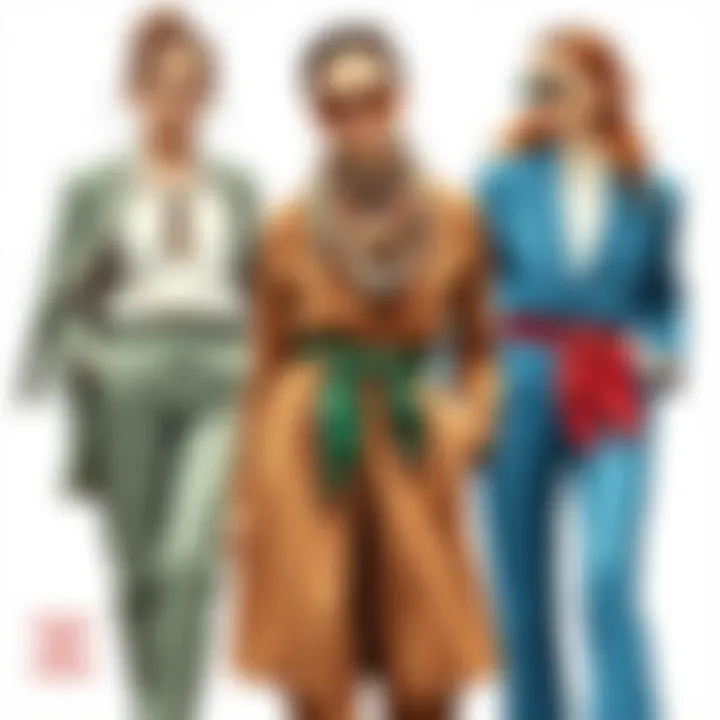
Adapting to the occasion is key. For a laid-back gathering, a relaxed draping technique suffices. However, for a more formal event, a neatly tied or structured drape could elevate the outfit significantly.
Knotting Methods
Knotting methods introduce an array of possibilities for styling. Playing around with how a waist scarf is knotted can lead to diverse looks:
- Basic Knot: A simple knot at the front or back provides a polished finish. This method works well with tailored clothing, allowing the scarf to blend seamlessly into an outfit.
- Bow Tie: Creating a bow adds a feminine touch that is both playful and elegant. A bow on the side can enhance flowy dresses, while a bow at the back can maintain focus on the front of the outfit.
- Twisted Knot: For those who like a little flair, twisting the scarf before tying it can create a spiral effect that adds dimension. This could be interesting to pair with high-waisted bottoms to balance the proportion of the outfit.
Each knot carries its own character. A relaxed knot exudes casual vibes, while a tight, neat knot gives off a polished and structured appearance. It’s best to experiment and find what complements not just the outfit, but also the body type and personal style.
Layering with Other Garments
Layering waist scarves with other garments can bring depth and interest to any ensemble. This technique can help create a more cohesive look:
- Blazers and Jackets: Layering a waist scarf under a fitted blazer can soften the sharpness of the blazer while adding a pop of color or texture.
- Dresses: Wearing a waist scarf over a dress ties the outfit together efficiently. It can highlight the waist, enhancing the figure while allowing the dress to flow.
- Tops and Skirts: A waist scarf can also serve as a connector between different styles. For instance, pairing a casual top with a formal skirt can leave the impression of a well-thought-out outfit.
In layering, the material choice of the fitted garment is something to consider. A lighter waist scarf works best with flowy outfits, while heavier fabrics can provide contrast to lighter pieces.
"Versatile styling techniques transform the humble waist scarf into a powerful fashion statement, reflecting personal style and creativity."
Recognizing the tactical and playful nature of waist scarves fosters creativity within one's wardrobe, encouraging individuals to break free from the usual clothing norms. The right styling technique can elevate a look, making it feel fresh and unique, so do not hold back; experiment with draping, knotting, and layering until you find the perfect combination that speaks to you.
Cultural Significance of Waist Scarves
The waist scarf stands as a symbol that transcends mere fashion, finding its roots deeply embedded in various cultures worldwide. Its relevance goes beyond functionality, shaping identities, traditions, and even social movements. Understanding the cultural significance of waist scarves sheds light on how this accessory carries meanings, values, and connections to heritage.
Global Perspectives
In many cultures, the waist scarf has been worn as part of traditional garments, signifying not just style but also status and identity. For instance, in many African communities, colorful waist wraps are used in ceremonies, showcasing vibrant patterns that tell stories of lineage and history. Each design can carry unique meanings, resonating with the wearer’s community and personal narrative.
Moreover, in South Asian cultures, the dupatta often plays a similar role. This long scarf draped around the waist or over the shoulder can reflect not just fashion trends but also deeper cultural sentiments, representing modesty and grace. In such contexts, the waist scarf can function as a narrative piece, allowing wearers to display their connection to their cultural heritage while adapting to modern fashion.
"Waist scarves are more than fabric; they encapsulate stories of ancestry and identity across the globe."
Additionally, as globalization weaves its complex tapestry, variations of the waist scarf are starting to permeate into mainstream fashion, often stripping away some traditional significance but introducing fresh interpretations. The incorporation of waist scarves into Western fashion runways illustrates an appreciation and fusion of different cultural elements that serve to challenge the traditional concepts of style and identity.
Symbolism Across Cultures
The symbolism attributed to waist scarves varies widely, often revolving around themes of empowerment and personal expression. In some cultures, wearing a waist scarf during specific rituals signifies a rite of passage or a key milestone in life. For example, in certain Latin American countries, women may wear a wide, intricately patterned sash to celebrate their heritage during festive occasions.
Furthermore, waist scarves can symbolize a rebellion against the status quo. In the fashion world, influencers and designers have adopted the waist scarf as a statement piece, redefining what it means to be fashionable. It has become a canvas for creativity, often adorned with bold prints and colors that reject conformity.
Across many communities, waist scarves have evolved to represent resilience and adaptability. As styles shift and the line between casual and formal blurs, these accessories continue to embody the dynamic nature of culture itself. Engaging with different cultural perspectives allows the waist scarf to serve as a bridge connecting diverse histories and modern practices, ensuring its relevance in contemporary society.
In sum, the cultural significance of waist scarves is both profound and complex, vibrating with meaning and narrative across different societies. Whether as a traditional garment or a contemporary accessory, they encapsulate rich stories that reflect the diverse ways we express ourselves in this interconnected world.
Material Choices for Waist Scarves
The material selection for waist scarves plays a crucial role in their functionality, aesthetic appeal, and comfort. Choosing the appropriate fabric can elevate the look of an outfit while providing necessary comfort and usability. This section dissects vital elements surrounding material choices, unraveling the advantages and hindrances associated with various fabrics.
Choosing the Right Fabric
Choosing the right fabric for a waist scarf isn't merely about aesthetics; it directly influences the wearability and overall effect of the accessory. Several factors, from climate to personal preferences, must be considered to maximize the benefits of this versatile garment.
Natural vs. Synthetic Fibers
Natural fabrics such as cotton, silk, and linen bring an organic element to waist scarves. Each of these materials has its unique qualities, like breathability and softness, making them popular among wearers. Cotton, for instance, is known for its comfort and breathability, which makes it a go-to option during warmer months. On the other hand, silk adds a touch of elegance and sheen to outfits, which can be ideal for formal occasions.
In contrast, synthetic fibers like polyester and nylon offer distinct advantages, most notably durability and affordability. These fabrics often resist wrinkling and can endure rougher handling without compromising their integrity. However, they may not provide the same level of breathability as natural fabrics, which is a factor to consider.
Each choice comes with its pros and cons. Natural fibers can be more sensitive to high temperatures and may require more careful maintenance. But many prefer them for their luxurious feel against the skin, especially in an accessory that wraps closely around the waist.
Breathability and Comfort
Breathability is essential when it comes to waist scarves, particularly if worn in warm climates or layered with other clothing items. Fabrics that allow air circulation ensure comfort, preventing the wearer from feeling overheated. Materials like cotton and linen excel in this regard, offering a light touch that feels airy and pleasant.
What's more, comfort isn't just about temperature. The texture of the fabric can significantly influence how a waist scarf feels when worn. Soft materials can enhance the overall experience, making it easier for the wearer to style themselves without the worry of irritation. While some synthetic fibers can be comfortable, others may lack the same gentleness as their natural counterparts. In this way, the careful selection of fabric is paramount for achieving a seamless blend of style and comfort.
Sustainable Fabric Options
With increasing awareness of environmental issues, sustainable fabric choices are garnering attention within the fashion industry. Many consumers are now seeking out waist scarves made from organic cotton, Tencel, or recycled materials. These fabrics not only reduce ecological footprints by using fewer resources and less energy, but they also appeal to a growing audience that values ethical fashion. By opting for sustainable options, wearers can enjoy their waist scarves while contributing positively to the environment.
Care and Maintenance of Waist Scarves
The versatility and charm of waist scarves can easily be overshadowed by a simple oversight in their care. In the fashion world, maintaining the pristine condition of your accessories is just as important as how you style them. Proper care and maintenance of waist scarves not only extends their lifespan but also preserves their aesthetic appeal and functional integrity.
Cleaning and storing these garments thoughtfully can make a world of difference, ensuring that they remain a vibrant addition to your wardrobe for years to come. Here’s an in-depth look at how to keep your waist scarves looking their best, taking into account the various materials they are made from and the types of usage they experience.
Cleaning Guidelines
When it comes to cleaning your waist scarves, following specific guidelines can prevent damage and fade. Here are some crucial pointers:
- Check Labels: Always start by examining the care label. Different fabrics require different treatments. For instance, silk waist scarves may be dry cleaned, while cotton varieties can generally be machine washed.
- Hand Washing: For delicate materials such as chiffon or silk, hand washing is a safe choice. Use lukewarm water with a gentle detergent. Avoid wringing them out; instead, roll the scarf in a towel to absorb excess water.
- Machine Washing: If the fabric permits, use a gentle cycle on your washing machine, preferably in a laundry bag to minimize friction with other clothes. Cold water is always better to maintain color and fabric integrity.
- Air-Drying: After washing, avoid the tumble dryer. Instead, lay your waist scarf flat on a clean, dry towel or hang it to air dry. Direct sunlight can cause colors to fade over time, so it's wise to keep them in a shaded place.
Following these basic cleaning guidelines can significantly enhance the life of your waist scarves.
Storage Recommendations
How you store your waist scarves can impact their condition just as much as how you clean them. Here are some effective storage tips:
- Avoid Haphazard Storage: Instead of tossing your scarves in a drawer, opt for a more organized approach. Folding them neatly can avoid creases and wrinkles. You may consider using a dedicated scarf organizer or a drawer divider.
- Use Hangers: For scarves that are larger or prone to wrinkling, a simple clip hanger can be an excellent option. This method allows them to hang freely without crumpling.
- Protect from Sunlight: While storing, consider the location. A dark, cool closet is your best bet. Prolonged exposure to sunlight can lead to discoloration and weaken fibers.
- Seasonal Rotation: During certain seasons, you might find your favorites getting more use. Rotate your collection and store seasonal scarves in a breathable fabric bag to keep them dust-free.
Keeping waist scarves clean and properly stored not only preserves their beauty but also saves you money in the long run by preventing wear and tear.
In essence, the care and maintenance of your waist scarves should be approached with the same level of thoughtfulness as selecting them. This investment in time and effort can yield discrete rewards in terms of both the longevity and visual impact of this versatile accessory. For more on garment care, you may visit Textile & Apparel or The Fabric of Life.
Fashion Trends Featuring Waist Scarves
The waist scarf, once a simple accessory, has solidified its place in contemporary fashion. With its ability to adapt to current trends while offering a blend of utility and aesthetic value, the waist scarf stands out as a versatile piece in anyone's wardrobe. Fashion designers, stylists, and influencers have taken notice, fully utilizing this accessory's potential to elevate any outfit.
Recent Influences from Fashion Weeks
Fashion weeks around the world serve as a barometer for emerging styles and trends. Designers often highlight their vision through innovative uses of fabrics, colors, and, importantly, accessories like the waist scarf. In recent seasons, we’ve seen models strut down the runway adorned with beautifully styled waist scarves, showcasing an array of knotting techniques and draping styles.
For instance, during New York Fashion Week, a celebrated designer presented a collection that incorporated waist scarves as essential components of layered looks. The waist scarves were not just afterthoughts. Instead, they were central to the outfits, with rich patterns and textures that caught the eye, emphasizing the model's waist, thus creating an hourglass silhouette that many fashion enthusiasts covet. The trend of statement waist scarves emerged, often featuring bold graphics or intricate embroidery. This creates a conversation starter among fashion aficionados.
Moreover, European runways, particularly in Milan and Paris, have highlighted the use of oversized waist scarves, often worn with tailored dresses or structured blazers. Their draping adds not just flair but also functionality, transitioning an outfit from daytime chic to nighttime sophistication with mere adjustments in styling.
Influence of Social Media
In today's digital landscape, social media is a catalyst for fashion trends, and the waist scarf is no exception. Platforms like Instagram and TikTok have accelerated its popularity through visual storytelling. Influencers often use their platforms to showcase creative ways of styling waist scarves, making them more accessible to a wider audience.
The hashtag #WaistScarf has gained notable traction, providing a space where users can exchange ideas, share tutorials, and showcase their unique styles. This sense of community fosters creativity, allowing individuals to experiment fearlessly with their fashion choices. Additionally, fashion bloggers frequently post tutorials demonstrating how to incorporate waist scarves into everyday outfits, whether tied around the waist, draped over shoulders, or even used to accessorize handbags.
Furthermore, collaborations between brands and social media influencers have pushed waist scarves into the limelight. These partnerships often result in limited-edition collections, where the waist scarf becomes a must-have item among followers eager to emulate their favorite style icons.
"A waist scarf isn't just an accessory; it's a statement piece that speaks to your personality and style, making it an essential tool in fashion today."
Through these channels, the waist scarf has effectively transcended its original purpose, resonating with a younger demographic who are keen on making their mark in the fashion world.
Thus, the interplay between fashion weeks and social media solidifies the waist scarf's standing in the ever-evolving landscape of style. Anyone involved in fashion—from designers to everyday stylists—can draw valuable insights from these trends to stay ahead of the curve.
Personalizing Your Waist Scarf
The waist scarf, as we have explored throughout this article, serves a vast array of purposes in the realm of fashion. Yet, what makes it of utmost importance is its potential for personalization. Customizing a waist scarf not only showcases one's unique style but also enhances its functional benefits, which can make all the difference when trying to create an outfit that strongly speaks to who you are.
When it comes to personalization, there are layers to consider. From bespoke designs to adding unique embellishments, the process can be both creative and rewarding. By crafting a waist scarf that reflects personal choices, one can adapt it to various occasions, transform its appearance, and even elevate mere fabric to a statement piece.
Custom Patterns and Designs
The world of fabric prints and colors offers an immense canvas for creativity. Opting for custom patterns is truly like stepping into a realm of limitless possibilities. Whether it's florals, geometric shapes, or even abstract art, the choice of patterns can significantly alter the character of a waist scarf.
Some key elements to keep in mind when selecting patterns are:
- Personal Style: Choose motifs that resonate with your fashion sense. If you lean towards bohemian styles, perhaps consider vibrant ethnic patterns.
- Occasion Appropriateness: Lively prints can suit festivals, while subtle designs may serve better in more formal settings.
- Color Coordination: Patterns should complement your existing wardrobe, merging seamlessly with other outfits or stand out boldly for a striking effect.
Custom designing can involve collaborating with local artists or online platforms that allow individuals to upload their artwork, creating something truly one-of-a-kind. The benefits are multifold—you're not just wearing a piece of cloth; you're flaunting a personal narrative.
Embellishments and Add-ons
Once the base fabric and pattern have been chosen, it’s time to delve into the realm of embellishments and add-ons. These details can transform a simple waist scarf into an eye-catching accessory. Options range from tassels, beads, and fringe, to embroidery and appliqué.
Consider these aspects when thinking about embellishments:
- Functionality vs Aesthetics: It's essential to weigh the practicality of add-ons. For instance, while fringe can create a dynamic look, it may require more care.
- Balance of Design: If the scarf already features a busy pattern, it may be wise to choose simpler embellishments. The goal is to enhance, not overwhelm.
- Cultural Influences: Some cultures integrate specific embellishments devoid of frills, while others revel in lavish detail. Understanding cultural significance can inform choices that respect and honor the inspirations behind certain designs.
A carefully personalized waist scarf adorned with unique embellishments not only conveys individuality but can also serve as a conversation starter. After all, nothing sparks dialogue quite like a piece that tells a profound story.
"In fashion, what you choose to wear can tell a thousand stories without saying a word."
To conclude, personalizing a waist scarf can offer sincere gratification while staying distinctively fashionable. Combining customized patterns with thoughtful embellishments allows for creativity that extends beyond the binding fabric, promoting your personal identity in style.
Understanding the Waist Scarf Market
The waist scarf market has been a subtle yet significant player in the fashion industry, often overshadowed by more prominent apparel items. However, its fundamental role cannot be dismissed, especially with evolving trends that have made this accessory a versatile choice for various demographics. An exploration of the market delves into two crucial areas: price ranges and the emergence of new brands and designers.
Price Ranges
When considering waist scarves, pricing can fluctuate greatly based on fabric, brand, and craftsmanship. On one end, you might find basic styles made from synthetic materials priced around $10 to $30. These options serve an essential role, offering a budget-friendly entry point for consumers eager to understand and utilize this accessory.
However, venturing into the realm of higher-end scarves, you can encounter unique pieces crafted from luxurious materials such as silk or organic cotton, often ranging from $50 to $200 or more. The difference in price often correlates with:
- Material Quality: Natural fibers generally command a higher price.
- Brand Reputation: Established designers may charge premium prices for exclusive designs.
- Craftsmanship: Handmade or limited edition scarves often reflect meticulous attention to detail.
The impact of price on purchasing decisions is salient. A more expensive scarf might serve not just as a fashion accessory but as a statement piece, allowing wearers to express personal style and sophistication. It is worthy to note that even at different price points, waist scarves can greatly elevate an outfit, bridging the gap between casual and formal attire.
Emerging Brands and Designers
In recent years, the waist scarf niche has become a hotbed for emerging talent. New designers, often inspired by cultural traditions or contemporary art, are reinventing this accessory, making it relevant to younger audiences and fashion aficionados alike. Small brands, like Zara and H&M, have also recognized the potential of waist scarves in their collections, providing variety for consumers.
Additionally, socially conscious and sustainable fashion brands are making their mark. Designers such as Reformation and Eileen Fisher emphasize environmental stewardship, using eco-friendly materials and ethical production practices. This is not only appealing to consumers who are increasingly conscious about their purchases but also sets a trend that encourages other designers to follow suit.
The market's evolving nature invites ongoing innovation. Fashion weeks and trade shows often showcase new talent, presenting fresh ideas that can transform waist scarves from simple accessories into focal points of outfits. Trendsetters on social media platforms, particularly Instagram and TikTok, play a vital role in elevating these brands by sharing unique styling tips and encouraging followers to explore different ways to incorporate waist scarves into their own wardrobes.
"The waist scarf is not just an accessory; it’s a canvas for creative expression that continues to evolve with the pulse of fashion."
Epilogue: The Enduring Appeal of Waist Scarves
The waist scarf has firmly anchored itself in the realm of fashion, serving a dual role that stretches far beyond mere aesthetics. This conclusion synthesizes the journey through the multifaceted world of waist scarves, highlighting why they remain an enduring staple in wardrobes across the globe.
Evolving Use Cases
The waist scarf's adaptability is one of its most appealing features. Here are a few notable use cases:
- Fashion Accessory: Once considered an additional piece to complete an outfit, waist scarves are now making bold statements. Designers and Instagram influencers prominently showcase them as key elements rather than afterthoughts. They can transform a basic ensemble into something striking, bringing colors and patterns to the forefront.
- Functional Wear: Beyond fashion, many have taken up waist scarves as practical items. In bustling environments or outdoor adventures, waist scarves can be handy. They can help secure loose clothing or even act as makeshift bags when tied correctly. This practicality is appreciated by those who value function meeting style.
- Cultural Expression: Waist scarves are often more than just fabric; they tell stories. They can signify cultural heritage, convey messages, or celebrate local traditions. In many cultures, for instance, the way one ties a waist scarf can indicate social status or significant personal milestones, enriching their historical context.
- Sustainable Fashion: As awareness grows around sustainability, the waist scarf finds relevance here too. Many brands are emerging that focus on using upcycled materials, turning what was once considered waste into fashion treasures. They resonate with a consumer base that’s increasingly made up of eco-conscious buyers, ensuring that waist scarves remain not just desired but also responsible choices.
"The waist scarf is a timeless accessory that evolves with cultural tides, proving its worth in every corner of the globe."
The versatility of the waist scarf is limitless. From runway shows in Paris to street styles in Tokyo, this accessory continuously reinvents itself, ensuring its place within the fabric of fashion history. Its ability to blend function with aesthetic appeal places it at the forefront of modern fashion conversations, proving that sometimes, a simple piece of fabric can weave together the complex demands of utility, style, and cultural significance.
Thus, whether draped, knotted, or layered, the waist scarf continues to charm and engage, making it a central piece for anyone keen on making a fashion statement. The discourse around waist scarves encapsulates not only their style but also their longevity in an ever-evolving fashion landscape.