
Choosing the Right Spring Summer Work Shoes
Intro
Spring and summer not only bring warmer weather but also a refreshing opportunity to revamp your professional wardrobe. For many, selecting the right pair of work shoes can feel as significant as choosing the perfect attire. Footwear plays a pivotal role in fashion, functionality, and comfort—these elements often intertwine, influencing both the wearer’s appearance and the overall atmosphere at the workplace.
Choosing shoes for the warmer months, however, requires more than just aesthetic consideration. It's about understanding the varying demands of these seasons. From the crisp feel of freshly bloomed blossoms to the sultry glow of the sun at its peak, the world outside beckons for shoes that are not only stylish but also comfortable enough to navigate through busy days.
Throughout this article, we will explore various styles of spring summer work shoes, delve into current fashion trends, and share crucial care tips. Whether you are a trendsetter in a creative industry or need to maintain professionalism in a corporate setting, this guide aims to equip you with practical insights into the best footwear choices for the upcoming months.
As we go along, we will highlight materials that provide comfort, durability, and breathability. After doing so, we'll touch on the importance of maintenance so that your work shoes remain in tip-top shape, ensuring you always look polished. So, let’s lace up and step into the world of spring and summer footwear!
Understanding Work Footwear
When it comes to composing a professional wardrobe, the shoes you choose can make or break your entire outfit. This section delves into the vital aspects of understanding work footwear for the spring and summer months. Selecting the right shoes goes beyond just aesthetics; it's about comfort, functionality, and aligning with workplace expectations.
Defining Work Shoes
Work shoes are fundamentally designed to satisfy specific occupational needs. They serve as protective gear, but that alone doesn’t encapsulate their importance. Consider a chef in a bustling kitchen—the shoes must not only withstand slippery floors but also support long hours of standing. In contrast, an architect may prefer a sleek pair that resonates with professional artistry while remaining comfortable for client meetings.
Understanding work shoes means recognizing the myriad of styles available. From leather Oxfords to breathable loafers, the right fit varies depending on job responsibilities and personal style. Shoes are more than mere accessories; they signify professionalism and can influence the first impressions we leave on others.
Importance of Appropriate Footwear
Choosing appropriate footwear in professional settings is crucial for various reasons:
- Health and Safety: Proper shoes can help prevent workplace injuries, like slips or foot fatigue. Wearing the right kind of footwear can support ankle and back health.
- Company Culture: Dressing according to company guidelines reflects respect for workplace norms. It showcases a willingness to align with their standards, which can foster professional relationships.
- Personal Confidence: Feeling good about your footwear can boost confidence. When your shoes are stylish yet functional, you can focus more on your tasks rather than whether your feet hurt or if your shoes match your outfit.
“Your shoes reflect who you are and impact how others perceive you.”
Key Factors in Selecting Spring Summer Work Shoes
Choosing the right work shoes during warmer months is no small task. Various elements play a pivotal role in ensuring that your footwear meets both practical needs and aesthetic desires. In this section, we’ll navigate through essential factors worth considering when selecting your perfect pair of spring and summer work shoes.
Climate Considerations
When the days get longer and the heat rises, the type of shoes you sport becomes crucial. Your feet will thank you for thoughtful selections that accommodate warm weather. It's essential to consider:
- Breathability: Look for shoes crafted from materials that allow air circulation. Fabrics like mesh or perforated leather not only help to keep your feet cool but also minimize sweat. This aspect can make all the difference on a hot day in the office.
- Insulation: While you want breathability, some environments may still be a tad chilly, such as air-conditioned offices. It’s important to balance ventilation without sacrificing warmth in those environments.
- Water Resistance: Spring can come with unexpected showers. Footwear with hydrophobic properties is worth considering, as you might just find yourself caught in a drizzle before the day’s end.
Ultimately, choosing shoes that perform well in legibility and functionality according to climate conditions is key.
Dress Codes and Professional Expectations
Navigating professional attire demands a keen awareness of company culture and dress codes. Cocktails of comfort and professionalism are likely the order of the day. For stars like fashion designers, stylists, and corporate leaders, it’s about showcasing personal style while adhering to expectations:
- Corporate Structure: Understanding how formal or casual your workplace is might guide you towards loafers or dress sneakers. In a creative field, a more relaxed approach could allow for varied designs.
- Client Interactions: Should your role require frequent meetings with clients, consider opting for shoes that appear polished yet comfortable. You wouldn't want to be scraping your shoe sole over a slick office floor.
- Personal Brand: Shoes can express as much about your character as your choice of attire. Always reflect your personal aesthetic while keeping the audience in mind.
By ensuring that footwear choices reflect both professional standards and personal style, you establish a solid presence in any professional setting.
Comfort vs. Style
Ah, the eternal debate between comfort and aesthetic appeal. Striking the right balance can be a tightrope walk, especially in warmer seasons. Consider these nuanced aspects:
- Foot Support: Comfort shouldn’t fall victim to trendiness. Seek styles that provide adequate arch support, cushion, and stability. After all, you want to feel as good as you look for hours on end.
- Stylistic Versatility: While some styles may look great, they can leave your feet aching after a few hours. Choose options that cut a fine figure while also embracing ergonomic design principles. Options such as stylish sneakers can provide this balance deftly.
- Length of Wear: Consider how long you expect to wear these shoes each day. If you are on your feet constantly, sacrificing comfort for flair could lead to regret. Instead, look for shoes that seamlessly transition from the office to after-work engagements without calling for a change.
It’s essential to recognize that style and comfort are not mutually exclusive; rather, they can complement each other beautifully when approached with intention.

"The shoes you choose do more than protect your feet; they reflect your personal journey and professional narrative."
In the world of work shoes for spring and summer, keeping these factors at the forefront of your decision-making can set the stage for a comfortable and stylish season ahead.
Popular Styles for Spring Summer Work Shoes
When it comes to navigating the bustling professional landscape during warmer months, the importance of choosing the right style of work shoes cannot be overstated. As temperatures rise, so does the need for footwear that not only aligns with your job's expectations but also keeps your feet feeling fresh and comfortable. This section explores the various popular styles available for spring and summer work shoes, helping you balance both professionalism and personal flair.
Loafers and Slip-Ons
Loafers and slip-ons represent an effortless blend of convenience and class. These shoes are perfect for those who want to dodge the hassle of laces while maintaining a polished look. The beauty of loafers lies in their versatility; they can easily transition from a boardroom meeting to a casual after-work gathering. Made with materials like leather or suede, they provide a formal touch without compromising comfort.
Often, these styles come with cushioned insoles, making them suitable for long hours of wear. Additionally, the loafers’ low-cut design ensures proper airflow, vital during hot days, letting your feet breathe. Think of them as an extension of your confident self—carefree yet sophisticated. A good pair can elevate the simplest of outfits, giving you the edge in both style and comfort.
Stylish Sneakers
Gone are the days when sneakers were merely seen on playgrounds or the gym. Their integration into professional wardrobes speaks volumes about the evolving nature of workplace attire. Stylish sneakers are now a staple for those wanting flexibility without sacrificing an ounce of style. Look for designs that are sleek and refined, ensuring they align with your work environment while still offering the coziness needed for all-day wear.
Materials like breathable mesh keep your feet well-ventilated, making sneakers particularly appealing during the hotter months. Moreover, some brands embrace sustainability by utilizing eco-friendly materials, a factor gaining more traction with today's eco-conscious professionals. A well-chosen pair of stylish sneakers can not only provide comfort but also make a subtle statement about your personality.
Dress Sandals
As the mercury rises, dress sandals make their grand entrance, offering a chic solution for warm-weather work attire. These sandals often come with a supportive sole and arch support that counteracts the usual perception of sandals as casual wear. Look for styles that feature refined leather and embellishments like buckles or straps to elevate their sophistication.
Dress sandals can complement various ensembles, from tailored trousers to flowing dresses. They allow for airflow while maintaining a semblance of professionalism, making them ideal for summer events, business luncheons, or casual Fridays. Finding the right dress sandal could mean the difference between a pedicure with a purpose and sweaty feet.
Oxfords and Brogues
While we often associate Oxfords and brogues with more formal occasions, they remain timeless choices for spring and summer workplaces. These classic styles offer a polished finish and are typically designed from durable leather or suede, ensuring they provide a long-lasting option. The craftsmanship behind these shoes often reflects an air of authority and sophistication, vital in professional settings.
Venturing into warmer months, opt for lighter shades or even perforated designs to allow for some air circulation. These styles can seamlessly be paired with chinos, slacks, or even shorts for a modern take. Properly fitted oxfords or brogues can embody the sense of style while still embracing a serious undertone, promoting confidence in every step you take.
Materials that Enhance Comfort
When it comes to selecting the right work shoes for the warmer months, the materials used play a crucial role in your overall comfort. With the temperatures rising, having shoes that support your feet while allowing them to breathe is essential. The right materials can mean the difference between a productive day at work and a long, uncomfortable slog that leaves you wishing for the cool embrace of your favorite sneakers at home. This section explores the different materials that enhance comfort in spring and summer work shoes, focusing on breathable fabrics, lightweight construction, and cushioning technology.
Breathable Fabrics
Breathable fabrics are a cornerstone of comfort in warmer weather footwear. Shoes made from these materials allow air to circulate, preventing excessive sweating and promoting better temperature regulation. Fabrics like mesh, canvas, and moisture-wicking synthetics are excellent choices. They allow for increased airflow, which can help keep your feet dry and fresh throughout long working hours.
Some notable characteristics of breathable fabrics include:
- Moisture management: They wick sweat away from your feet.
- Ventilation: Open structures assist in airflow.
- Quick drying: They dry faster, which is great if they get wet.
Investing in shoes made from breathable materials can make a world of difference, especially for individuals who are always on their feet. After all, nobody wants to spend a day in damp, clammy shoes.
Lightweight Construction
Another aspect that significantly affects comfort in work shoes is their construction. Lightweight shoes reduce the strain on your legs and feet while providing ample support. Materials such as EVA foam, lightweight rubber, and innovative polymers are often used in the soles and footbeds of these shoes. This construction not only enhances mobility but also contributes to a more energetic feel.
A few advantages of lightweight shoes include:
- Reduced fatigue: Less weight means less dragging.
- Better agility: Your movements feel more fluid and natural.
- Easier transportation: They take up less room in your bag.
For those who relocate their workspaces frequently or find themselves moving around a lot, lightweight construction should be a key consideration.
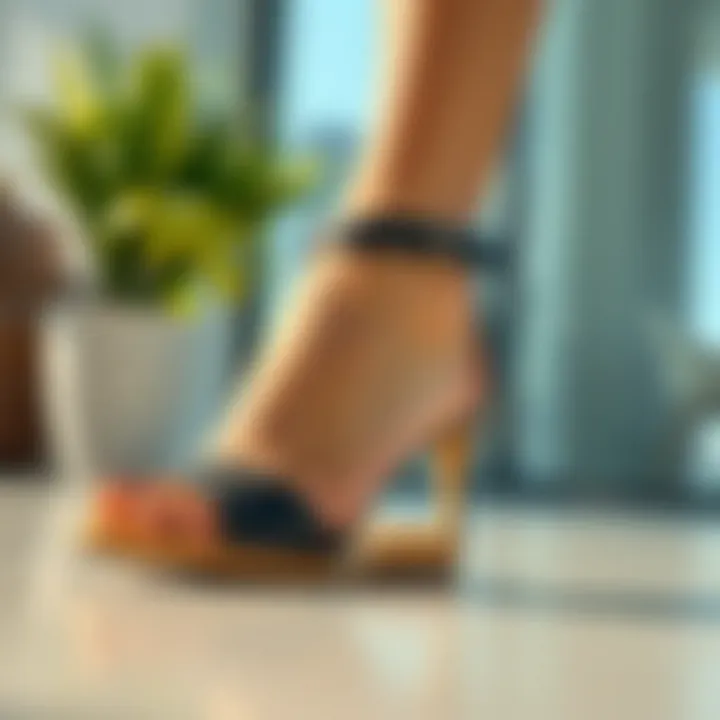
Cushioning Technology
Cushioning technology has evolved significantly in recent years, making a notable impact on the comfort of work shoes. Brands have embraced various cushioning systems, such as gel inserts, memory foam, and air cushioning, to offer better shock absorption and weight distribution. This not only helps combat foot fatigue but also enhances overall foot health by providing adequate support where it’s needed most.
Key benefits of effective cushioning include:
- Shock absorption: Helps in reducing impact from walking.
- Arch support: Supports proper foot alignment.
- Sole flexibility: Encourages a natural walking motion.
Choosing work shoes with advanced cushioning technology doesn’t just keep your feet happy; it can also help in the long run with preventing common foot problems.
In summary, prioritizing the right materials in work shoes can help you maintain comfort and energy during long workdays. Remember, investing in quality footwear pays off through enhanced efficiency and overall well-being.
Sustainability in Footwear Choices
In today’s world, the clamor for sustainability has reached even the most modest corners of our daily lives, and footwear choices are no exception. Selecting work shoes for the spring and summer seasons isn’t just about comfort and aesthetics anymore; it’s also about making responsible choices that reflect our values and attitudes towards the environment. Taking the plunge into eco-friendly footwear plays a significant role in reducing our ecological footprint and encourages a conscious mindset.
Opting for sustainable work shoes means more than just a fancy label slapped on a box. It’s about understanding the complete lifecycle of the product—from the materials used in construction to the labor practices behind them. As individuals gear up for the warmer months and the activities they entail, considering the sustainability of work footwear adds another layer of wisdom to one’s purchasing decisions. In this section, let’s explore two key areas that contribute to sustainable footwear: eco-friendly materials and ethical manufacturing practices.
Eco-Friendly Materials
When it comes to crafting work shoes that feel good and do good, eco-friendly materials are at the forefront. Brands are now harnessing materials such as organic cotton, recycled plastics, and renewable natural fibers like hemp or bamboo. These choices don’t simply look great, but they also demonstrate a commitment to reducing waste and preserving natural resources.
Using recycled materials, for example, is a smart way to contribute to a circular economy. Your typical synthetic shoe might take hundreds of years to decompose in a landfill, but shoes crafted from repurposed materials can help offset some of those environmental costs. Here’s a quick list of eco-friendly materials commonly used in sustainable footwear:
- Organic Cotton: Grown without harmful pesticides and fertilizers, it promotes healthier farming.
- Recycled Polyester: Made from post-consumer plastic bottles, it reduces waste and resource consumption.
- Natural Rubber: Harvested sustainably from rubber trees, it’s biodegradable and offers excellent traction and comfort.
- Hemp: One of the fastest growing plants, it requires minimal resources and contributes positively to soil health.
Incorporating these materials not only addresses sustainability concerns but also enhances the overall performance of the shoe. Breathability, comfort, and durability often see significant improvements when crafted with eco-friendly materials. A win-win situation, if there ever was one.
Ethical Manufacturing Practices
Beyond just the raw materials, where and how shoes are made matters greatly. Ethical manufacturing practices focus on fair labor treatment and environmentally sound production methods. Workers should be afforded fair wages, reasonable hours, and safe working conditions.
By seeking out brands that prioritize ethical practices, consumers are fueling a movement towards transparency in the fashion industry. This is about more than just choosing shoes; it means voting with your wallet to support companies that stand by their values.
Here are some points to consider when evaluating a brand's ethical stance:
- Fair Trade Certifications: Look for brands that have certifications, as these often indicate better working conditions and fair wages for workers.
- Local Production: Companies that produce locally often have better control of their entire supply chain, ensuring every step adheres to ethical guidelines.
- Environmental Compliance: Sustainable footwear should comply with environmental regulations, reducing pollution and waste during production.
It's not just about looking sharp at the office; it's also about feeling good about the choices you're making. In a world where environmental and social issues loom large, advocating for sustainability in your footwear choices is something every consumer can embrace.
"The shoe that fits one person pinches another; there is no recipe for living that suits all cases." This saying applies in matters of sustainability as well—a personalized approach to footwear can lead to more conscious, impactful decisions.
Care and Maintenance of Work Shoes
When considering the broader spectrum of work shoes, it becomes evident that selection alone holds limited value without proper upkeep. The lifespan and appearance of footwear can significantly enhance or undermine your professional image. Proper care ensures that your shoes not only look great but also maintain their functionality as they weather the rigors of daily use. Investing time in the maintenance of your work shoes brings multiple benefits: better hygiene, longer durability, and ultimately, a more polished visual presentation.
Cleaning Techniques
Keeping work shoes in tip-top shape requires regular cleaning based on the materials they are made from. Below are some tailored methods.
- Leather Shoes: Use a damp cloth to wipe off dirt or dust. For more stubborn stains, a mild soap solution works wonders. Always remember to condition the leather after cleaning to keep it supple.
- Canvas Shoes: These can usually be machine washed. Make sure to remove laces and insoles before laundering, and regular scrubbing with a soft brush can help tackle built-up grime.
- Synthetic Materials: These often respong well to gentle scrubbing with a soft brush and water. For a thorough clean, you might want to consider the manufacturer's washing recommendations.
- Avoid Soaking: Regardless of the material, soaking your shoes in water is a bad move. It can damage adhesives and change the shape of footwear.
Regular cleaning helps to keep shoes looking fresh, and it also prevents odors from taking hold, creating a more pleasant wearing experience.
Storage Guidelines
Storing shoes properly is equally important as keeping them clean. Overlooking how you store footwear can lead to deformities and deterioration. Here are a few pointers:
- Drying: Always let your shoes dry out naturally after wearing them, especially if they've gotten wet. Direct sunlight can warp shoes, so stick to a well-ventilated area instead.
- Use Shoe Trees: Utilizing shoe trees can help maintain the shape of your shoes by preventing creasing. It also aids in moisture evaporation.
- Keep Away From Heat Sources: Avoid storing shoes near radiators or heaters, as excessive heat can damage various materials.
- Organized Approach: Consider a tidy shoe rack or specific boxes so they don’t get jumbled up. It makes finding a pair much easier, especially when there’s a need to dress to impress quickly.
By taking these cleaning and storage practices seriously, you're not just extending the life of your shoes; you're also making a statement about how much you value your appearance in a professional environment. As they say, shoes often speak volumes, and looking after them certainly shows attention to detail and care.
"An ounce of prevention is worth a pound of cure" - Benjamin Franklin
Maintaining your footwear doesn’t just save money in the long run; it reflects a level of professionalism and self-respect that should always be present in any workspace. For more in-depth shoe care insights, visit WikiHow or read up at ShoeSnob for additional cleaning hacks.
Trends Influencing Work Shoe Design
Navigating the landscape of work footwear has become increasingly intricate, especially for the spring and summer seasons. Trends play an essential role in shaping how professionals approach their footwear choices. As the melding of form and function takes center stage, individuals must consider not just the aesthetics, but also the practicality that modern designs demand. Today’s professional settings are evolving, and so are the shoes that people wear. From the rise of relaxed dress codes to the demand for versatility, understanding these trends is fundamental for making informed footwear decisions.
Influence of Casualization
The increasing acceptance of casual attire in workplaces has created a ripple effect impacting how work shoes are conceived. The boundaries between leisure and professional clothing have blurred; hence the footwear must reflect that balance. Many companies now prioritize comfort, allowing employees to express their personalities while adhering to a semblance of professionalism.
Engaging with this trend entails:
- Evaluating Comfort: Employees favor shoes that feel good for long hours, which often translates to softer materials and more supportive designs.
- Exploration of Styles: Options like loafers, stylish sneakers, or even quality sandals offer a way to remain fashionable yet work-appropriate.
- Workplace Cultures: As businesses embrace casual Fridays more broadly, the notion of what constitutes acceptable work footwear is continuously shifting.
The influence of this casualization isn't just aesthetic; it also speaks volumes about workplace culture and employee well-being. It helps create an atmosphere that fosters creativity and productivity, translating to not only happier but also more engaged workers.
The Rise of Multifunctional Footwear
In today’s fast-paced world, versatility is a prized trait. Multifunctional footwear has become the darling of modern design, embodying the need for shoes that seamlessly transition between different roles throughout the day. This trend is ideal for professionals who juggle various responsibilities, from client meetings to casual lunches.
Key aspects of multifunctional footwear include:
- Adaptability: Shoes that can shift from formal settings to more relaxed environments save time and energy.
- Durability and Performance: Quality materials and innovative designs are essential, ensuring that these shoes endure varied conditions without sacrificing comfort.
- Style Meets Function: Just because a shoe is designed for multiple uses doesn’t mean it has to forego style. Sleek designs with practical features such as water resistance and slip resistance exemplify this balance.
Ultimately, this dual-purpose capability enhances the value of work shoes, allowing professionals to remain prepared for any situation without needing to swap out their footwear.
"The modern professional no longer simply wears shoes; they select a tool that enhances both their ability and their image."
In summary, understanding the trends influencing work shoe design is crucial for fashion designers, stylists, and retailers alike. As our workplaces continue to evolve, staying updated on these trends will help in curating a wardrobe that’s not just functional but also stylish, ensuring professionals remain a step ahead in their game.
Combining Fashion with Functionality
When it comes to work shoes, blending style with practicality becomes paramount during the spring and summer months. Professionals today no longer accept the notion that comfort must come at the expense of appearance. Instead, there's a clear understanding that shoes can be both chic and functional. This intersection of fashion and functionality isn't just a trend; it’s a necessity for today’s dynamic workplace.
Accessorizing Work Shoes
Accessorizing work shoes might sound like a simple task, yet it requires a discerning eye. Accessories can amplify the aesthetic appeal of your footwear while maintaining practicality. For example, shoelaces can be swapped out for bolder or more muted colors, depending on the desired look. Think of leather or metal accents that tie back to your outfit's color scheme; not only does this add a personal touch, but it also exhibits an attention to detail that can elevate your entire look.
- Belt Coordination: Match the color and material of your shoes with your belt. If you’re sporting brown loafers, a matching leather belt can pull the ensemble together.
- Socks: Though often overlooked, the right socks can make or break an outfit. Unique patterns or vibrant colors can offer a refreshing pop without overwhelming your professional image.
- Insert Accessories: Those custom orthotic insoles are a perfect way to blend comfort with the polished look of a well-fitted shoe. They often are hidden but provide necessary support during long days.
By carefully choosing accessories, you not only enhance the visual attraction of your shoes but also contribute to your overall comfort, allowing you to stride into your day with self-assurance.
Integrating Shoes with Work Attire
The success of your look hinges on the synergy between your shoes and your work attire. Understanding how to seamlessly integrate footwear with clothing is critical for creating a polished appearance. Each shoe type requires you to think strategically about fabric and fit.
- Business Casual Settings: In more relaxed environments, stylish sneakers can pair well with tailored trousers or even chinos. The juxtaposition of casual footwear with structured clothing creates an interesting design narrative while maintaining professionalism.
- Formal Requirements: During more formal occasions or board meetings, oxfords or loafers in sleek leather will suffice. Pairing these with well-fitted slacks and a tailored blazer showcases a classic silhouette.
- Seasonal Adjustments: In summer, lighter colors work wonders. Navy blue or beige shoes can pair wonderfully with light-colored suits, allowing your entire ensemble to breathe.
The essence of integrating shoes with work garments is about balance. You want to avoid clashing styles and colors, aiming instead for harmony that speaks to your personal brand. As the workplace evolves, so too does the dialogue between fashion and function, making this balance of great importance in today's professional world.
"Fashion should be a form of escapism, and not a form of imprisonment." - Alexander McQueen
In summation, paying attention to how your shoes and attire connect is crucial for the modern worker. Fashion and functionality don't have to live in separate worlds; instead, it’s about marrying both elements to create a cohesive, stylish, and professional appearance that can take you through any boardroom or casual meeting alike.