
Exploring Heavy Decorative Bookends: Aesthetic & Functionality


Intro
In the cluttered world of modern living, heavy decorative bookends serve more than just a practical purpose. They stand as markers of personal style, each piece an expression of taste and personality. As we delve into the significance of these often-overlooked elements in home and office decor, it’s essential to recognize how their weightiness speaks not only to functionality but also to aesthetic appeal. A well-chosen bookend does more than hold up books; it transforms a mundane shelf into a visual narrative, curling around the heart of one’s space and inviting conversation.
The art of selecting the perfect decorative bookend combines a keen eye for style with an understanding of materials and design trends. Whether you're a fashion designer curating your studio, a blogger seeking to enhance your workspace, or just an individual hoping to revive your living area, heavy bookends can elevate the ambiance dramatically. Each companion to your literary treasures can reflect the season's fashion trends and timeless designs, merging practicality with an exhilarating showcase of artistry.
This exploration goes beyond mere choices; it addresses the historical significance of bookends, from their origins serving as humble tools to their evolution into statement pieces that echo personal narratives.
By dissecting the captivating world of heavy decorative bookends, we unveil not just their role but also how they weave together the threads of organization and artistic flourish in every setting.
Prolusion to Heavy Decorative Bookends
In a world where aesthetics often blend seamlessly with functionality, decorative bookends emerge as unsung heroes in the realm of interior design. Heavy decorative bookends, in particular, play a significant role in both organizing literature and enhancing the visual appeal of a space. They aren't merely practical items; they are often works of art that express personal style, bridging the gap between form and function.
Defining Heavy Decorative Bookends
So what exactly are heavy decorative bookends? At first glance, they serve a clear purpose: keeping books upright and organized. But delving deeper reveals a variety of materials, designs, and weights that make them integral to curated spaces. It’s important to differentiate them from lightweight alternatives, which may compromise both their functionality and design intent. Heavy bookends, as the name suggests, possess enough weight to prevent books from toppling while simultaneously showcasing intricate patterns or themes—ranging from modern minimalistic designs to more ornate, vintage styles. Their heft ensures stability, making them perfect for larger collections or bookshelves in high-traffic areas.
To put it plainly, heavy decorative bookends combine utility with artistry, allowing collectors, readers, and design aficionados alike to express themselves through carefully chosen items that speak to their aesthetic preferences.
The Importance of Weight in Bookends
When it comes to bookends, weight isn't just a matter of preference; it’s a fundamental aspect that directly ties into performance and stability. Heavy bookends ensure that literary works stand tall and straight, guarding against the warping or bending that can occur with flimsy supports. One might picture a shelf lined with books teetering precariously, throwing chaos into an otherwise orderly system. Heavy bookends prevent this disappointment.
Consider the endless joy of leaning into a literary adventure without the anxiety of a paper avalanche. The weight contributes to an overall visual appeal too, often lending an air of sophistication. In addition, heavier bookends tend to be crafted from more durable materials, enhancing longevity and ensuring they remain part of your decor for years to come.
In essence, choosing the right weight—alongside design—becomes critical in expressing both functionality and style. Whether you're an ardent reader, a collector of vintage tomes, or a stylizer with an eye for decor, understanding the significance of weight can greatly influence your selection of decorative bookends.
Historical Significance of Bookends
The historical significance of bookends cannot be overlooked. These simple yet functional objects have evolved from basic tools for holding books upright to decorative elements that reflect individual styles and trends. Understanding their history gives us insight into not just the evolution of design but also the changing value placed on reading throughout the years. Bookends serve as a testament to the interplay between literature and art, often presenting designs that are as varied as the books they support.
Origins of Bookends
The concept of bookends is as old as literature itself. It is believed that the earliest forms of bookends can be traced back to ancient civilizations like the Greeks and Romans. Back then, books were often stored on shelves without any form of constraint, relying on stone slabs or wooden blocks at the ends of piles to keep scrolls and parchment in place. These rudimentary forms served a fundamental purpose, keeping valuable texts secure and less prone to damage.
As technology progressed and the world transitioned into the Middle Ages, the rise of the codex format—where pages are bound together—led to the need for more stable supports. Decorative bookends began to emerge during the Renaissance, symbolizing a union between form and function that appealed to the growing literate class. Notably, women—who often played a vital role in nurturing home libraries—began to adopt elegant styles in their interiors, making bookends not just functional but a statement of personal taste too. Their influence is slight but notable, showing how design can intersect with societal changes.
Evolution Through the Ages
As time marched on, bookends adapted to suit the stylistic preferences of different periods. In the 18th century, wooden bookends became a fashionable choice, often crafted from mahogany or walnut, adorned with intricate carvings that showcased the artisan’s skill. This time marked a shift toward opulence in home decor.
During the Industrial Revolution, mass production techniques opened doors for a range of materials and designs. Metal bookends, featuring minimalist and geometric shapes, flooded the market, appealing to the modernist movement's emphasis on simplicity.
In the late 20th century and into the 21st century, one sees an explosion of creativity—bookends became more than mere functional items; they transformed into artistic pieces. From quirky shapes inspired by pop culture to sleek, avant-garde designs crafted from solid stone or mixed media, they are now a popular accessory in upscale decor.
"A simple bookend can tell a story of its own, reflecting the history and art movements it has witnessed through the ages."
Today, heavy decorative bookends can range from bold statement pieces to subtle works of art, seamlessly integrating into various interior styles—whether it’s mid-century modern, classic, or eclectic.
By tracing the origins and evolution of bookends, one gains a deeper appreciation for their role in our lives. They serve to organize our literary treasures while adding an element of charm to our spaces. Whether you are an interior designer curating a collection or a passionate reader seeking beauty in functionality, understanding their historical significance enriches the experience.
Materials Used in Heavy Decorative Bookends
When it comes to heavy decorative bookends, the material selection holds significant importance. The choice of material influences not just the aesthetic appeal, but also plays a crucial role in the functionality and durability of the bookends. Every material offers unique benefits, making it essential for buyers to understand what fits best within their personal style and storage needs.
Metal Bookends
Metal bookends are often chosen for their strength and durability. Whether made from stainless steel, wrought iron, or brass, they provide a modern touch to any shelf or workspace. The advantages of metal are numerous:

- Weight and Stability: Metal bookends tend to be heavier than their wooden counterparts, ensuring they can hold even the thickest tomes in place.
- Variety of Designs: From sleek and minimalistic to ornate vintage styles, metal bookends can complement a variety of interior aesthetics.
- Longevity: Metal is less susceptible to warping or damage from moisture, making it a long-lasting choice for safeguarding beloved books.
However, it's worth noting that some people may prefer the warmth of wood or the earthy essence of stone over the coldness that metal can impart.
Wooden Bookends
Wooden bookends bring a classic and inviting element into a space. Each wooden piece tells its own story with grains and textures that convey a rustic charm. They can be crafted from various types of wood, such as oak, walnut, or even reclaimed wood, frequently offering:
- Warm Aesthetic: Wood adds a touch of coziness, making it ideal for traditional or homey settings.
- Customization: Many wood bookends can be easily personalized with staining or carvings to match specific decor.
- Sustainability: Opting for responsibly sourced wood can also make a positive environmental impact.
On the downside, wooden bookends might be more vulnerable to scratches and moisture, so careful selection and maintenance are key.
Stone and Marble Variants
For those looking to make a strong statement, stone and marble bookends are a fantastic choice. Their inherent weight provides stability while adding a sophisticated flair. Here are some key points to ponder:
- Timeless Elegance: The natural patterns found in stone, especially marble, contribute an artisanal feel to any bookshelf.
- Host of Colors: Available in a range of hues from pristine white to deep green, stone bookends can easily blend or stand out in a room's color scheme.
- Durability: Much like metal, stone is robust and can handle the test of time, resisting fading and wear under ordinary conditions.
However, caution should be exercised; heavy stone bookends can scratch surfaces if not used with protective pads.
Innovative Composite Materials
In the age of modern design, composite materials have emerged as a popular choice for decorative bookends. These materials combine the attributes of multiple substances, allowing for creativity in both design and functionality. Benefits include:
- Lightweight Options: Some composites can mimic the appearance of wood or stone without the heft, making them easier to handle and reposition.
- Creative Flexibility: The use of composites often allows for more complex shapes and designs, appealing to those with a penchant for contemporary art.
- Cost-Effective: For budget-conscious buyers, composite materials can provide a similar aesthetic to high-end options without the hefty price tag.
Nevertheless, the durability can vary widely, and buyers should gauge their needs against potential wear and tear.
In summary, the choice of material has significant impact on both the practicality and visual appeal of heavy decorative bookends. Consider how each material aligns with your aesthetic preferences, lifestyle, and the environment of your shelves.
Design Styles of Decorative Bookends
Design styles of decorative bookends are important as they reflect personal taste and can significantly enhance the aesthetic of any space. They serve not simply a practical role in holding up books but also act as statement pieces that can transform the visual dynamics of a room. Understanding the diversity of styles available helps in selecting pieces that not only safeguard books but also contribute to the overall interior decor. Wether it be a modern sleek style suited for minimalistic spaces, or more traditional designs that evoke a sense of history, each style adds its unique flavor to a room.
Classic Designs
Classic designs of bookends bring a timeless elegance to any collection. They often feature ornate details, such as intricate carvings or versus design elements, made from materials like brass or wrought iron. These styles typically echo the aesthetics of bygone eras, often drawing inspiration from art movements like Baroque or Victorian. For those who appreciate tradition, classic bookends can create an atmosphere of sophistication and nostalgia.
Key aspects of classic bookends include:
- Material: Often crafted from heavy metals or woods with polished finishes.
- Design Features: Detailed engravings, floral motifs, or even animal figures.
- Complementary Decor: Pairs well with antique furniture or traditional libraries, enhancing the overall coherence of a classic interior setting.
Contemporary Styles
In contrast to their classic counterparts, contemporary styles of decorative bookends push boundaries and play with form and function. They can be bold, minimalist, or even quirky—reflecting current trends in interior design. Such bookends often utilize modern materials, including acrylic and concrete, allowing for innovations in aesthetics that appeal to a more modern audience.
Features of contemporary bookends include:
- Material Choices: Acrylics, lightweight metals, and eco-friendly materials.
- Design Variations: Simple geometric shapes or artistic abstracts that challenge traditional forms.
- Ideal Settings: Complements contemporary furnishings or open concept layouts by adding a fresh, vibrant touch.
Rustic and Vintage Aesthetics
Rustic and vintage bookend designs celebrate the imperfections of aged materials and craftsmanship. These bookends typically exhibit a warmth and charm that can soften contemporary spaces. Made from reclaimed wood or rusted metal, they tell a story of history, adding character to any environment.
Aspects to appreciate about rustic and vintage designs:
- Sustainability: Often made from recycled materials, appealing to eco-conscious buyers.
- Design Elements: Distressed finishes, rough-hewn edges, and organic forms.
- Versatility: Fits well with shabby chic, farmhouse, or eclectic styles, inviting a cozy, lived-in feel.
Artistic and Sculptural Approaches
Artistic and sculptural bookends stand out as pieces of art in their own right. These designs often go beyond the standard utility of bookends, incorporating elements of sculpture and artistry. Whether an expressionist figure or an abstract design, they can prompt conversation and admiration. An artistic bookend can serve as a focal point in a room, illustrating individuality and creativity.

Characteristics of this type include:
- Materials: Can vary widely, including ceramic, glass, or metal alloys, shaped by creative vision.
- Expressive Forms: Unconventional shapes and colors that break away from functional fabrics to deliver an experience.
- Placement Potential: Ideal for displaying on shelves, mantels, or desks as more than just a means to hold books.
Choosing the right style of decorative bookends can elevate your space; it's not only about functionality but also about expressing who you are in your own unique way.
By exploring these distinct design styles, one can achieve a harmonious blend of form and function when decorating a space. Each style comes with its own characteristics and benefits, giving you a wide range of choices to suit personal taste and interior design needs.
Functional Aspects of Heavy Bookends
Heavy decorative bookends serve more than merely aesthetic purposes; they lay down a robust foundation for organizing your treasured tomes while enhancing the look of your space. The significance of these bookends, especially the heavier varieties, lies in their dual ability to hold books upright, thereby preventing damage, and to add a distinct personality to your decor.
Stability in Organization
Stability is the name of the game when it comes to organizing books. Heavy bookends, made from solid materials like metal or stone, provide a firm grip on any lineup of books. Just imagine a shelf where the books stand tall, aligned like soldiers ready for duty, as a sturdy pair of bookends keeps them in their rightful place. Without this support, books may topple over, creating disorder that detracts from the overall aesthetic and cluttering your space.
When choosing bookends for stability, consider their weight relative to the size and number of books you intend to organize. Heavier bookends are particularly favorable for larger collections, while lighter options might suffice for smaller assemblages. Think about it: a heavy marble bookend will not only secure those dusty, leather-bound classics but also lend an air of sophistication to your study. This blending of functionality and style is what makes heavy bookends essential tools in your decorative arsenal.
One cannot forget the range of settings where heavy decorative bookends shine. They don’t just belong on bookshelves; they can serve as visual bookends on a coffee table, acting as both support and conversation starters. From homes to offices, their role in maintaining organization is invaluable.
Protection of Books
Books are precious; they carry stories, knowledge, and memories. The last thing you'd want is for these cherished items to become damaged due to neglect or poor support. Heavy bookends not only keep books upright but preserve their physical condition over time. With each passing day, the weight and balance of the bookends minimize the chances of pages bending, covers warping, or bindings breaking.
Furthermore, exposure to elements such as dust and moisture can harm books significantly. Well-placed, heavy bookends act as barriers against these environmental challenges, especially in areas with fluctuating humidity or frequent direct sunlight.
- Advantages of using heavy bookends include:
- Minimized wear and tear: They provide consistent support to books, reducing stress on the binding and preventing sagging.
- Fewer accidents: With stability comes assurance. You won’t find a pile of books on the floor after a careless bump anymore.
- Enhanced lifespan: By safeguarding your collection from physical harm, heavy bookends ensure your books can be enjoyed for years to come.
In summary, investing in heavy decorative bookends is more than just adding style to your decor; it’s about ensuring your books are both safely displayed and lovingly maintained. Their functional appeal cannot be overstated, serving as essential elements that cater to both aesthetics and practicality. For those passionate about books, these sturdy guardians of your literary collection will provide both comfort and assurance.
Impact on Interior Decor
When it comes to creating a harmonious living or working space, heavy decorative bookends often rise to the occasion, turning functional necessities into striking visual elements. Beyond merely serving to hold books upright, these decorative pieces can profoundly influence the overall aesthetic of a room. Their substantial physical presence brings both stability and a certain weightiness that can ground an environment, directly impacting the viewer's perception and mood.
One cannot underestimate the materiality and craftsmanship that goes into bookends. A heavy, intricately designed piece made from natural stones like marble or meticulously crafted metals can serve as a centerpiece for a shelf or table. This not only draws the eye but also prompts discussions – they become conversation starters. The texture, color, and design add layers of depth that enhance a room’s character.
Bookends have the ability to tie together various elements of interior decor, creating a cohesive look. When aligned with a specific design ethos, they lend an air of sophistication. This might be especially important for interior designers looking to elevate a space.
Enhancing Aesthetic Appeal
The aesthetic appeal of heavy decorative bookends is undeniable. When placed thoughtfully, they can breathe life into a static bookshelf. For instance, a pair of sleek metallic bookends can contrast beautifully against a dark wooden shelf, drawing attention while serving their primary function. Plus, they can reflect the personality of the individual or organization that owns them. Think of a geometric metal piece that screams modernity, or whimsical figures that introduce a playful tone.
- Color and Texture:
- Size and Scale:
- Vibrant colors can add that pop necessary for a chic look.
- Textured finishes can create visual intrigue, making the space feel dynamic.
- Larger bookends provide a bold statement, while smaller ones may integrate seamlessly, providing subtler complements.
The key to enhancing aesthetic appeal lies in the thoughtful pairing of bookends with surrounding decor. Consider how they can be accented with plants or artwork for an elevated experience.
Complementing Interior Styles
Bookends are versatile enough to complement various interior styles ranging from minimalist to industrial or classic. An understanding of inherent design principles is crucial here.
For instance, heavy wooden bookends carved into a rustic style can beautifully resonate in a farmhouse setting, while abstract shapes in polished chrome might align perfectly with a modern Manhattan loft.
- Traditional Spaces: Elegant, ornate bookends align well with classic furnishings.
- Modern Minimalism: Simple yet bold silhouettes resonate with clean lines and open spaces.
- Eclectic Environments: Mix-and-match styles can offer a curated, personalized touch that tells your story.
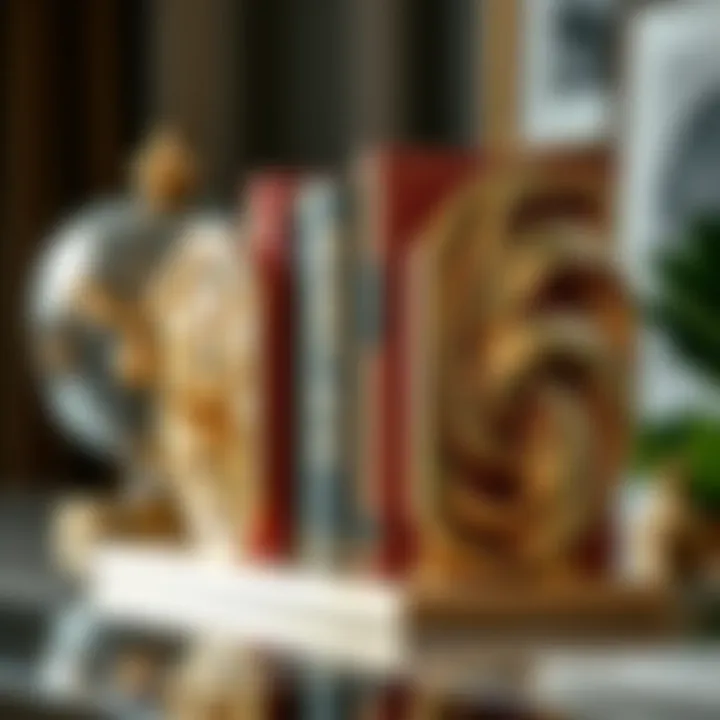
In summary, when you consider heavy decorative bookends not just as utilitarian objects, but as integral elements of your decor, they're bound to create visually compelling spaces that reflect individual taste while fulfilling their functional purpose. As a result, choosing the right bookends becomes less of a task and more of an art form that contributes to an inviting and well-planned environment.
"In the realm of decor, it’s often the unexpected elements that bring a space to life. Bookends, in their unique heft and design, certainly fit the bill."
For those engaged in design, curation, or retail, it's vital to acknowledge how these seemingly simple objects can affect the larger conversation of spatial design. The incorporation of heavy decorative bookends into a thoughtful interior not only enriches its aesthetic value but also lays the groundwork for a sophisticated, organized atmosphere.
Care and Maintenance of Heavy Bookends
Taking care of heavy decorative bookends is essential for preserving both their beauty and functionality. Proper maintenance not only extends the lifespan of these decorative items but also enhances the overall aesthetic of your space. The right care ensures that they remain not just organizational tools but also artistic statements that can age gracefully.
Cleaning Methods by Material
Different materials require different cleaning techniques. Here’s a breakdown:
- Metal Bookends: For chrome or stainless steel, a microfiber cloth dampened with soapy water can work wonders. Avoid abrasive materials which can scratch the surface. For tarnished surfaces, a specialized metal polish might be needed.
- Wooden Bookends: Dust with a soft cloth regularly. If they need a deeper clean, a gentle wood cleaner or a mix of vinegar and water – used sparingly – can remove grime without damaging the finish. Avoid soaking them, as moisture can warp the wood.
- Stone and Marble Variants: These require gentle handling. Use a soft, damp cloth to wipe down, and avoid acidic cleaners which could etch or dull the surface. Regular sealing helps protect them from staining.
- Innovative Composite Materials: Check the manufacturer's guidelines, as these materials can vary widely. Generally, a damp cloth with mild detergent is safe. Always dry them thoroughly to prevent any potential damage.
Long-term Care Tips
Caring for heavy bookends goes beyond mere cleaning. Long-lasting visual appeal depends on how they’re stored and used. Here are some practical tips:
- Avoid Direct Sunlight: Here, sunlight can fade colors and degrade materials. Position your bookends away from windows or use curtains to block harsh light.
- Keep Them Dry: Excess moisture can lead to warping or corrosion. Make sure that wherever they are used, humidity is kept in check. This is especially important for wooden varieties.
- Rotate Regularly: If you’re displaying a collection, consider rotating your bookends every few months. This not only distributes wear but also keeps your décor feeling fresh.
- Handle with Care: When moving or cleaning, lift them instead of dragging to prevent scratches on surfaces.
"Proper care can turn a piece of décor into a cherished heirloom, maintaining its elegance through the ages."
Considerations When Purchasing Bookends
Purchasing heavy decorative bookends is both an art and a science. It's not merely about picking the first pair that catches your eye; it's about finding those perfect pieces that reflect your personal style while serving a functional purpose. The right bookends can transform a mundane bookshelf into a centerpiece that speaks volumes about your taste and organization skills.
Assessing Functionality Versus Aesthetics
When it comes to bookends, a key consideration lies in the balance between functionality and aesthetics. You want to ensure that your bookends don’t just look nice but also perform well. Aesthetically pleasing bookends might draw the eye, but if they’re too light or poorly designed, they could end up as more of a decorative hazard than a helping hand in keeping your books upright.
- Functionality First: Before settling on a design, make sure the weight of your bookends can effectively hold your collection in check, especially if it's sizeable or if the books are oversized.
- Design Choices: Think about your space—will these bookends blend in or stand out? A minimalist bookend may complement a sleek, modern interior, while a vintage or ornate piece might suit a more traditional setup.
- Material Considerations: Metal bookends, for example, often provide a sleek look while being heavy. Wooden ones can add warmth to a room but check for sturdiness if you lean towards larger tomes.
It's about fitting the functional needs of your books with a design that enhances your personal space—or, as they say, function shouldn't come at the expense of form.
Where to Shop for Unique Pieces
Finding unique bookends can be quite the quest, but the rewards are usually well worth the effort. To discover pieces that pair well with your style, consider the following places:
- Antique Shops and Flea Markets: These places can be treasure troves of distinctive finds. You may stumble across a one-of-a-kind piece that tells a story.
- Online Marketplaces: Websites like Etsy or eBay host numerous artisans and sellers who often provide handcrafted or vintage bookends that can’t be found in mass retail stores.
- Local Artisans: Support local talent by visiting craft fairs or art shows. Artisans often have original designs that seamlessly blend art with function.
- Home Decor Stores: Stores like West Elm or Crate & Barrel occasionally stock bookends with trendy designs; however, make sure to check their weight and construction.
With a little exploration and an eye for detail, you can uncover bookends that aren’t just functional but also resonate with the ambiance of your home or office.
Remember, well-chosen bookends are not just about organization; they can be a reflection of oneself.
In summary, when considering your next bookend purchase, it’s vital to weigh both its aesthetic appeal and functionality. Coupled with exploring different shopping venues, you can turn an ordinary shelf into a curated gallery of your personal style.
Finale
When it comes to heavy decorative bookends, the residue of beauty mixes effortlessly with practicality. As we wrap up this exploration, it’s clear just how vital these objects are, not only for keeping your tomes in line but also for enhancing the overall vibe of your space.
Summarizing Key Takeaways
In essence, heavy bookends blend functionality and artistry. Key points include:
- Weight Matters: Heavy bookends provide stability that keeps your books upright, reducing wear and tear.
- Material Diversity: The various materials—metal, wood, stone—offer distinct aesthetics, supporting a range of design sensibilities.
- Design Options: From minimalist to intricate, there’s a style for everyone, enabling personal expression through choice.
- Maintain Your Collection: Regular care ensures longevity, keeping both your bookends and books in pristine condition.
- Purchasing Smart: Knowing where to shop for unique pieces can unveil treasures that elevate your collection to the next level.
These takeaways illustrate how much more these bookends can be than mere supports; they act as expressions of your own style while providing crucial features that every bibliophile can appreciate.
Encouragement for Personal Exploration
Heavy decorative bookends do more than serve a purpose—they invite you to tell a story. As you go about selecting the ones that will grace your space, consider what resonates with you. Think about themes you enjoy, whether it’s the elegance of vintage designs or the sleekness of contemporary lines. Explore local artisans at flea markets or browse online platforms like Etsy for unique creations.
Importantly, don’t shy away from mixing styles! The juxtaposition of different materials and designs can spark conversations and bring a dynamic element to your decor. Curate your collection over time, allowing it to evolve with your tastes and interests.
In the end, the journey of selecting and caring for these decorative pieces can be quite fulfilling. Heavy bookends are not just tools; they are the silent sentinels of your literary passions, standing guard over your favorite reads. Take the plunge and start your adventure in personalizing your space.