
Exploring Greek Iron-On Patches: Cultural Significance and Design
Intro
Greek iron-on patches have carved out a unique niche in the world of fashion, offering wearers a chance to showcase their cultural heritage while making a bold style statement. These patches, often adorned with intricate designs and vibrant colors, transcend mere aesthetics—they hold stories, traditions, and a deep-rooted history. This article intends to cover the various dimensions of these fabric pieces, exploring their significance from cultural, practical, and design perspectives. By understanding the essence of Greek iron-on patches, designers, stylists, and fashion enthusiasts can appreciate not just their beauty but the intricate craftsmanship that brings them to life.
The journey from the ancient to the contemporary reveals a landscape where these patches serve both function and form. Whether you’re a retailer aiming to incorporate them into your product line, or a stylist seeking that perfect touch for your latest look, this exploration will guide you through the essential elements—ranging from current fashion trends to practical care tips.
Let’s delve into the colorful world of Greek iron-on patches and uncover the potential they hold for personal expression and fashion innovation.
Foreword to Greek Iron-On Patches
In today’s world, where self-expression through fashion plays a crucial role, Greek iron-on patches have carved out a significant niche. These vibrant pieces of art are more than just embellishments; they embody a rich history and a vibrant culture. Understanding Greek iron-on patches is important when considering their versatility and unique appeal, lending a special touch to clothing, accessories, and even home décor. This guide delves into various aspects of these patches, from their historical roots to their modern-day applications and potential for customization.
Historical Context
Historically, patches can be traced back to ancient civilizations, but Greek iron-on patches bring a unique flavor that celebrates Hellenic traditions. In Greece, fabric artistry has thrived for centuries, with embroidery becoming a hallmark of cultural identity. As Greek society evolved, so did the methods of garment repair and embellishment. Early iterations of patches were often handcrafted, showcasing intricate designs and local motifs that told stories of the landscape and people.
The introduction of iron-on technology in the 20th century marked a significant turning point. No longer were fabric repairs solely dependent on needle and thread; they could now be applied with the heat of an iron. This innovation made the art of patching accessible to many, allowing the age-old connection to textiles to be enjoyed by a wider audience.
Cultural Significance
Greek iron-on patches hold a wealth of cultural significance that transcends mere aesthetics. They represent a canvas for artisans to communicate tradition and innovation simultaneously. Various symbols and patterns often found on these patches, such as the meander motif or olive branches, are steeped in history and imbued with meaning.
These patches are also a living testament to the adaptability of heritage. They bridge the gap between past and present, allowing younger generations to connect with their roots while expressing their individuality. By incorporating designs that resonate with personal or communal stories, wearers cultivate a deeper narrative around their clothing choices.
In summary, the importance of exploring Greek iron-on patches cannot be overstated. They not only beautify garments but also serve as a conduit between varied historical contexts and cultural expressions. Understanding their background enriches our appreciation for these creative fabric pieces as we move toward practical applications and modern interpretations.
Design Elements of Greek Patches
When delving into the world of Greek iron-on patches, one cannot overlook the distinct design elements that contribute to their charm and significance. These patches are not merely ornamental; they embody a rich blend of tradition, creativity, and personal expression. Their designs often tell stories, encapsulating elements of Greek culture and history that resonate with many, making them a celebrated choice in fashion today. Understanding these design aspects is essential for stylists, fashion designers, and enthusiasts who want to appreciate the depth behind each patch's artistry.
Traditional Patterns and Symbols
Greek patches frequently feature traditional patterns and symbols that hold deep meaning. For instance, the meander pattern, known as the Greek key, symbolizes eternal love or friendship. This design, resembling a continuous line, reflects a cultural ethos of interconnectedness, a fitting tribute to the notion that nothing is truly isolated. Other common symbols include olive branches, representing peace, and the double-headed eagle, which is often associated with Greek Orthodoxy.
These motifs are not just visually striking; they connect wearers to a broader narrative of Greek heritage. When someone chooses to don a patch bearing these images, they're not only making a fashion statement but also acknowledging the cultural significance woven into the fabric.
- Cultural Narratives: These symbols often carry stories from mythology or historical moments, offering a conversation starter for wearers.
- Personal Connection: Many individuals relate personally to these symbols, choosing patches that resonate with their life experiences or beliefs.
Color Palettes and Textures
Incorporating color and texture in designs adds another layer, enriching the representation of Greek culture. Traditionally, a palette of blues, whites, and earthy tones is prominent, echoing the colors of the Greek flag and the stunning landscapes of the Greek islands. The vibrant blues mimic the sky and sea, while whites reflect the sun-washed architecture found in places like Santorini.
Textures also play a crucial role. The use of embroidered threads on some patches not only creates a tactile experience but also enhances visual interest. An embroidered patch will often pop out more than a printed one, drawing attention and making a statement.
- Emphasis on Nature: Natural tones bring a grounded spirit, reflecting the earthy landscapes and rich history of Greece.
- Layered Textures: Combining various textures on patches can enhance their aesthetic appeal and add uniqueness to each piece.
Modern Adaptations
The beauty of Greek iron-on patches lies in their ability to evolve with the times. Today's designers are remixing these traditional designs with contemporary aesthetics. This fusion creates modern adaptations that resonate with a younger demographic without losing the essence of their roots.
For instance, popular streetwear brands might integrate Greek motifs into oversized jackets or trendy backpacks, resulting in a distinctive blend of nostalgia and modernity. Technology has enabled easier customization, allowing individuals to select designs or even collaborate on their patches, further personalizing their fashion.
- Youth Appeal: The intersection of heritage and modern style makes these patches highly attractive among younger audiences who value individuality and cultural expression.
- Creative Collaborations: Collaborating with graphic designers or artists can breathe new life into traditional designs, ensuring they remain relevant in today’s fashion scene.
These design elements reflect not only the artistic heritage of Greece but also the ever-evolving landscape of fashion, where traditional motifs meet contemporary expressions, creating a unique dialogue between past and present.
In summary, the design elements of Greek iron-on patches encompass a rich blend of traditional motifs, vibrant color schemes, and modern interpretations. Each aspect enhances their appeal, offering a versatile means of self-expression that aligns beautifully with contemporary fashion trends. As these patches find their place in wardrobes around the world, they serve as a point of connection, bridging cultural heritage with individual style.
Practical Uses of Iron-On Patches
Iron-on patches offer versatility that goes beyond mere decoration. Within the domains of fashion and home design, these patches serve practical purposes that align with sustainability and individuality. This segment of the article explores how these fabric embellishments cater to the need for personal expression while simultaneously serving essential functions in clothing maintenance and home decor. The practical uses of Greek iron-on patches have allowed them to carve out a niche that merges creativity and functionality seamlessly.
Repairing Clothing
One of the standout applications of iron-on patches lies in their ability to mend and restore clothing. A torn hem or a frayed elbow can render a favorite garment unusable, but this is where Greek patches shine. They transform a blemish into a statement. Applying a beautifully designed patch over a wear-and-tear spot not only prolongs the life of the fabric but also injects character into the piece.
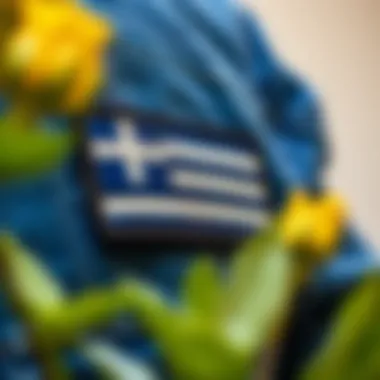

Unlike traditional sewing methods, which can be time-consuming and require kits filled with needles, thread, and expertise, iron-on patches offer a swift solution. Simply place the patch over the damaged area, apply heat with an iron, and voilà, a revitalized garment emerges. This quick fix evokes a sense of practicality, especially for individuals who aren't adept with needle and thread.
When mending clothing, it’s essential to consider the material of both the patch and the fabric being repaired. Some fabrics may require a different temperature or time duration to ensure the patch adheres properly. Therefore, it's advisable to test on a less visible area first. This attention to detail ensures that each patch not only looks good but also stays securely in place.
Personalizing Fashion
In a world where mass production dominates, people are increasingly seeking ways to express their individuality. Iron-on patches offer the perfect avenue for personalizing fashion. By integrating Greek designs into jackets, jeans, or bags, one can boldly showcase cultural influences, allegiances, or personal stories.
Imagine this: an eye-catching patch with intricate motifs from ancient Greece adorning a denim jacket gives the garment a unique flair. Patches can be used to tell a story, whether by choosing symbols that resonate personally or that celebrate one's heritage. The application requires only a hot iron, making it a simple task that yields a significant impact on style.
Moreover, mixing and matching various patches can result in an eclectic look that stands out. Layering patches or strategically placing them in clusters can transform a simple piece into a fashion statement. No longer are outfits confined by conventional norms; each patch encourages creativity and offers a canvas for self-expression.
Crafting Home écor
Beyond the realm of fashion, Greek iron-on patches find their place in home decor, demonstrating their versatility. These stylish patches can breathe new life into household items, making them more appealing and functional. For example, applying a patch to an old cushion or tablecloth can instantly elevate its appearance, while also hiding any imperfections.
Home crafters find patches to be especially useful for creating personalized home accents. A patch added to a table runner transforms it from ordinary to extraordinary, reflecting the homeowner's taste and cultural roots. This is another cost-effective way to revamp living spaces, moving away from throwaway culture toward sustainable practices.
Furthermore, the application of patches on fabric items like curtains or wall hangings can serve as conversation starters, reinforcing the story behind Greek culture. This layering of personal history and cultural significance effectively allows for a home environment that feels unique and truly one-of-a-kind.
As the popularity of iron-on patches continues to rise, their practical uses provide not just aesthetic enhancements but also solutions for everyday challenges in clothing and home decor. They epitomize a blend of beauty and practicality, inviting everyone to explore their potential in revitalizing both fashion and living spaces.
Application Techniques for Greek Patches
Applying Greek iron-on patches can elevate your fashion game, but getting it right takes a bit of finesse. The techniques you use can significantly affect durability and aesthetics, making this section essential for anyone looking to incorporate these unique patches into their wardrobe. Here, we break down the process into three key stages: preparing the fabric, mastering ironing techniques, and ensuring the patch stays put once applied.
Preparing the Fabric
Before you even think about applying a patch, you need to start with a clean slate. The condition of your fabric matters a heap. First, it helps to wash the garment beforehand. This step ensures that any oils, dirt, or residues don’t interfere with the adhesive of the patch. Next, dry the fabric completely; moisture can be the villain in this story, preventing a solid bond.
Once your fabric is clean, give it a good press with an iron to smooth out any wrinkles. A smooth surface guarantees even contact between the patch and fabric. Here’s a quick checklist for preparing your fabric:
- Wash and dry the garment to remove residues.
- Iron out wrinkles to create a flat surface.
- Test the fabric type, as different materials require varying temperatures.
By taking these preliminary steps, you set yourself up for success when applying your patch.
Ironing Techniques
Now comes the fun part—getting the patch on! Different fabrics require distinct ironing techniques, so it’s wise to consult the care label. Here’s a step-by-step approach to ensure the patch sticks and looks stellar:
- Set the Iron: Adjust your iron to the appropriate heat setting for your fabric type—some ought to be done on high heat, while others need a cooler touch.
- Position the Patch: Place your patch over the chosen area, ensuring it’s centered. Misalignment can make even the most beautiful patches look off-kilter.
- Protect With a Cloth: Use a thin cloth or parchment paper between the patch and the iron to avoid scorching or damage.
- Press Firmly: Apply firm pressure for about 15 to 30 seconds, moving the iron in circular motions. Remember, patience is key.
- Cool Down: Once done, leave the patch to cool for a minute before touching it. This allows the adhesive to harden.
"A well-applied patch is like a well-served dish; it’s all about the right techniques and a sprinkle of finesse."
Securing the Patch
After you’ve expertly ironed your patch, the last thing you want is for it to peel off after one wash. To secure it effectively, you’ll want to follow these extra tips:
- Sew Around the Edges: While the heat should hold it down, adding a few stitches around the edges can be a game changer for long-lasting wear.
- Regular Checks: Make it a habit to check the patch before washing the garment. If you notice any lifting, a quick re-press can remedy it.
- Avoid Harsh Wash Cycles: Ideally, wash the garment inside out and on a gentle cycle. This reduces wear on the patch, prolonging its life.
Utilizing these methods helps ensure that your Greek iron-on patches not only look great but also hold their ground against the test of time. Whether you’re fixing up old clothes or simply wanting to host a splash of personal style, these application techniques will bring you closer to achieving that perfect look.
Maintenance and Care of Iron-On Patches
When it comes to making a statement in fashion, Greek iron-on patches take center stage with their distinctive flair and rich cultural history. But, just like any cherished part of your wardrobe, proper care is fundamental. Maintenance ensures that these patches not only hold their aesthetic appeal but also prolongs their lifespan. This section outlines essential practices that will keep your patches looking fresh and vibrant while preserving their emotional significance.
Washing Guidelines
Keeping your Greek patches clean is vital for their longevity, but it isn't as simple as tossing them into a washer without a second thought.
- Read Labels: Before washing any item adorned with patches, check the care instructions sewn into the garment. These guidelines are your go-to for ensuring nothing runs amok during cleaning.
- Hand Wash Recommended: The gentler, the better. Avoid harsh cycles; hand washing in cold water with mild detergent helps retain colors and keeps the patches intact. It’s almost like giving them a spa day—gentle and loving.
- Avoid Agitation: When washing, treat patches like a delicate secret. No scrubbing or vigorous twisting; just a light move with your fingers to get rid of dirt.
- Dry Flat: Once clean, lay the garment flat to dry, away from direct sunlight. A little shade goes a long way in keeping colors from fading.
"A stitch in time saves nine." – Taking proper care is not merely a chore; it's an investment in your style.
Removing Patches Safely


Sometimes, a patch decides it's time for a new adventure or perhaps that old design doesn't sing anymore. Removing patches must be done with caution to avoid damage to the underlying fabric.
- Heat Application: Gently use an iron on a low setting for a few seconds to warm the adhesive under the patch. This softens it, making it easier to peel away. Be cautious—this isn't a racing game, so keep the iron moving.
- Peeling Off: After heating, start from a corner and slowly peel back the patch. If it resists, don’t force it. Apply a bit more heat and try again. Patience pays off here.
- Residue Removal: Post-removal, some adhesive might remain. To deal with that, a little rubbing alcohol on a cloth can do wonders. Just apply lightly and work it off like cleaning after a spirited paint session.
- Follow Up Care: After a patch is removed, examine the fabric for any wear or tear and treat it accordingly. A little TLC goes a long way.
Taking care of your Greek iron-on patches is akin to nurturing a piece of art. These insights not only help maintain their beauty but also respect the stories they carry. So dive into these practices, and let your wardrobe tell a tale of culture and creativity.
Sustainability Aspects of Fabric Patches
Sustainability has become a buzzword in many sectors, including fashion. The importance of sustainability aspects in the context of Greek iron-on patches is twofold—it's not just about the environmental impact but also the cultural significance of reusing and repurposing materials. Greek patches have a unique place in fashion, straddling the line between traditional artistry and modern consumerism. By examining the sustainability aspects, we get a better view of how these patches can positively influence both individual choices and broader fashion trends.
Eco-Friendly Materials
When it comes to sustainability, the materials used in fabric patches play a pivotal role. Many Greek iron-on patches are made from organic cotton, recycled polyester, or even upcycled fabrics. Organic cotton reduces the chemical burden on the environment because it’s grown without harmful pesticides. Utilizi g recycled fibers helps to minimize textile waste—a growing concern in the fashion industry. Additionally, some patches utilize natural dyes, which further reduce pollution caused by synthetic chemicals. Here are some key materials worth mentioning:
- Organic Cotton: Grown without harmful chemicals that can leach into soil and water.
- Recycled Polyester: Made from plastic bottles or discarded textiles that contribute to landfill waste.
- Bamboo Fabric: Naturally biodegradable and requires less water to produce.
- Linen and Hemp: Strong, durable fabrics that require minimal pesticides and fertilizers.
These eco-friendly options appeal not only to conscious consumers but also to fashion designers and brands seeking to integrate more sustainable practices into their work.
Impact on Fashion Waste
The fashion industry is notorious for its detrimental impact on the environment, with huge amounts of waste generated each year. Greek iron-on patches offer a practical solution to combat this issue, allowing individuals to extend the life of garments by repairing or personalizing them. Instead of tossing away a torn or outdated piece of clothing, one can simply apply a patch, breathing new life into the fabric. The ability to customize clothing also fosters a culture of reuse rather than disposable fashion. Consider these statistics:
- The average person throws away about 81 pounds of clothing each year, contributing to a global textile waste problem.
- Only about 15% of clothing is recycled; the rest typically ends up in landfills.
By opting for iron-on patches, consumers can significantly reduce waste and promote a mindset that values recycling and creativity over constant consumption. Furthermore, the trend of upcycling is on the rise, where individuals and brands take discarded materials and turn them into something new and desirable.
"Every patch stitched is a story told—one that reflects a commitment not to waste."
Trends in Greek Iron-On Patches
The world of Greek iron-on patches is witnessing dynamic trends that speak volumes about their contemporary relevance. Today, these fabric embellishments are not just about clinging to tradition; they signify a fusion of culture and current fashion. Recognizing these trends can help fashion designers, stylists, and retailers remain in sync with market demands while also tapping into the rich heritage of Greek artistry.
Trendy Usage Among Young Generations
One of the most impactful trends is the growing popularity of Greek patches within youth culture. Young adults and teenagers are increasingly seeking to express themselves in unique and creative ways. In clothing items ranging from denim jackets to backpacks, these patches add character and personal flair that mass-produced fashion often lacks. The youthful generation finds joy in customizing their outfits, creating a sense of identity that resonates deeply with their peers. Each patch can tell a story—a nod to heritage, an homage to Greek artistry, or simply a cool design that sparks a conversation.
"Patches are more than just fabric; they’re pieces of art that resonate with the youthful spirit of today’s culture."
The Cultural Revival
Alongside the increased youth engagement, there's a resurgence of interest in cultural motifs. Many young people are embracing traditional Greek symbols, not merely as nostalgic artifacts but as contemporary fashion statements. They appreciate the blend of cultural history with modern aesthetics. This trend could be seen in how some are wearing clothing inspired by Greek mythology or ancient symbols, integrating both classic themes and street style aesthetics.
Popularity in Youth Culture
The youth are increasingly viewing Greek iron-on patches as more than just decorative items; they embody a lifestyle and philosophy. They allow personal narratives to be stitched into everyday wear, fostering a sense of community among those who embrace this form of self-expression.
Customization and Individuality
- Unique Statements
Irrespective of whether they choose a patch with a famous Greek motif or a more abstract design, young wearers view each patch choice as a statement of individuality. The customizable nature of iron-on patches means that no two looks are ever the same. - Social Identity
At music festivals and urban gatherings, Greek patches become a badge of social identity. They help young people connect over shared cultural references while allowing room for personal interpretation.
Influences from Subcultures
- Streetwear Impact
The rise of streetwear has profoundly influenced how the youth incorporates patches into their ensembles. The relaxed vibes of street fashion perfectly align with the playful nature of patches, often seen on oversized tees and colorful sneakers. - DIY Aesthetic
DIY movements emphasize individual creativity, reinforcing the trend of patchwork embellishments. Young designers and makers frequently utilize these patches to add flair to their original pieces.
Influence of Social Media
Social media platforms act as a catalyst for the flourishing trends surrounding Greek iron-on patches. When influencers showcase their personalized styles, they inspire countless followers to embrace the trend, demonstrating how these patches can enhance their fashion choices.
Visual Platforms as Showcases
- Instagram and Pinterest
Visual platforms such as Instagram and Pinterest allow users to showcase their creativity with ease. Users frequently share photos of their outfits styled with Greek patches, encouraging others to experiment. Content tagged with relevant hashtags—like #GreekFashion, #DIYFashion, or #IronOnPatches—further fuels this visibility.
Viral Trends
- Challenges and Tags
Viral challenges or tags on TikTok demonstrate how patches can be used creatively. Whether it's creating a unique piece each day or swapping patches with friends, these movements encourage interaction while highlighting the diverse usage of Greek designs.
Thus, the trends in Greek iron-on patches reveal a rich tapestry of creativity, identity, and cultural appreciation among youth. They signify a departure from uniformity, allowing a previously understated craft to take the center stage in current fashion discourse.
Where to Source Greek Iron-On Patches


Finding the right Greek iron-on patches can feel like hunting for a needle in a haystack. But fret not, as sourcing these delightful embellishments doesn’t have to be a chore. In fact, it’s all about knowing where to look and how to choose quality pieces that resonate with your style or the aesthetic you are aiming for. The patches are not mere decorative items; they carry stories, history, and cultural nuances that can enhance both clothing and home décor.
When exploring sources, consider both local artisan markets and online platforms. Each of these avenues offers distinct advantages, tempting options, and unique pieces that speak volumes about Greek craftsmanship. Let’s dive into each source.
Artisan Markets and Local Stores
Artisan markets, bustling with creativity, are treasure troves for those on the hunt for authentic Greek iron-on patches. Nothing beats the tactile experience of browsing through various stalls, feeling the fabrics, and perhaps even having a face-to-face conversation with the artisans themselves. These markets often feature local craftspeople who pour their heart and soul into their work, and it shows.
In particular, visiting a market allows you to:
- Find Unique Designs: Many artisans create one-of-a-kind patches that cannot be found elsewhere.
- Support Local Artists: Purchasing from these markets means contributing to the local economy, helping artisans sustain their crafts and possibly their families.
- Learn the Craft: Often, the artists are more than willing to share the stories behind their work, adding a personal touch to your purchase.
Visiting local stores can yield similar benefits. Often, these shops curate a selection of items that highlight regional art, including iron-on patches. You might discover limited editions or seasonal pieces that bring vibrancy to your wardrobe. Look for boutiques that specialize in Greek-inspired fashion or home goods to find great patches.
Online Retailers and Platforms
While artisan markets provide a personal touch, the convenience of online shopping opens up a whole new world of options. Many reputable online retailers offer Greek iron-on patches, making it easier to compare designs, prices, and customer reviews from the comfort of your home. Ensure the platform you choose has a good return policy in case the product doesn’t meet your expectations.
Some trusted online sources include:
- Etsy: A haven for handmade goods, Etsy often has a vast selection of Greek patches from various sellers, allowing for easy shopping and artistic exploration.
- Amazon: Here, you can find everything from basic patches to intricate designs, often with customer reviews that can help guide your choice.
- Specialty Websites: Websites dedicated to Greek culture or crafts frequently have unique patches available that you won’t find on larger platforms.
Wherever you choose to shop, make it a point to verify the seller’s reputation. Customer feedback can give insights into the quality of the patches, as well as the service provided. It’s worth taking a few extra minutes to ensure that you get your hands on something truly special.
With a well-rounded approach to sourcing Greek iron-on patches, whether through local artisan markets or online retailers, you can find striking designs that infuse your wardrobe with a splash of Greek culture. As they say, "good things come to those who wait," but with the right sources, you can step up your patch game in no time!
Customizing Greek Patches
Customizing Greek patches is not simply an act of embellishment; it’s an exercise in personal expression and creativity. The importance of this topic within the realm of Greek iron-on patches lies in its capacity to allow individuals to imbue their attire with elements of their own personality and values. In a world increasingly leaning towards mass production, the beauty of customizing patches is that they stand as unique pieces that tell a story, making them invaluable for fashion designers, stylists, and influencers alike.
Designing Unique Patches
The process of designing unique patches is a blend of tradition and innovation. By drawing from a rich historical context, individuals can craft patches that resonate with cultural significance while also making a modern statement. This balance strikes a chord with consumers who not only seek to express themselves but also want to honor the artistry behind these pieces.
Consider the following elements when designing a unique patch:
- Symbolism: Greek symbols are filled with meaning. For instance, the olive branch symbolizes peace while the labyrinth represents complexity and journey. Choosing meaningful symbols can enhance the patch's personal connection.
- Materials: Some might opt for sustainable fabrics to adhere to eco-friendly practices, while others may seek a glossy finish to add sheen. The choice of fabric can dramatically influence the overall appeal of the patch.
- Layout and Composition: Play with designs that mix geometric shapes with organic lines. A patch depicting a Cycladic figure amidst vibrant floral patterns can create a stunning contrast.
By ensuring that the designs are not confined to predictable templates, creators can foster a richer, more engaging connection with their customers.
Collaborations with Artists
Collaborating with artists transforms the customizing process from a solitary endeavor into a tapestry of shared vision. This partnership can lead to groundbreaking concepts that resonate deeper with the audience. When artists infuse their unique perspectives into patch designs, the result is often unexpected and dynamic.
Benefits of such collaborations include:
- Diverse Perspectives: Artists often approach design with an innovative angle, bringing in unexpected color combinations or motifs. This can dramatically elevate the patch from a simple fabric piece to a captivating work of art.
- Community Engagement: By showcasing local artists, creators can build a community around the patches. This not only offers exposure to the artists but also fosters pride in the local culture and crafts.
- Brand Authenticity: As partnerships flourish, brands can offer distinct narratives rooted in the collaboration. A patch created with a renowned local artist can tell a story that speaks to both heritage and contemporary relevance.
Ultimately, the customization of Greek patches serves not just as an aesthetic endeavor, but also as a profound way to bridge cultures, stories, and personal identities. By designing unique patches and collaborating with artists, one can create pieces that are not only fashion statements but also expressions of individuality and cultural celebration.
The Future of Greek Iron-On Patches
The realm of Greek iron-on patches is on the cusp of transformation, reflecting both technological advancements and shifting cultural landscapes. This discussion focuses on how these patches could evolve, bridging traditional artistry with modern innovation. Understanding the potential of this fusion is pertinent for anyone engaged in fashion design, style trends, or textile innovation. The future of these embellishments offers exciting possibilities for personalization, sustainability, and fashion versatility.
Innovations in Fabric Technology
The textile industry is abuzz with developments that could revolutionize the functionality and aesthetics of iron-on patches. Smart fabrics with embedded electronics are increasingly gaining traction. Imagine patches that not only depict stunning Greek motifs but also can change color or display patterns based on temperature or light exposure. This type of innovation can engage consumers by adding a new layer of interactivity to clothing.
Additionally, advancements in eco-friendly materials are paramount. Innovations in biopolymers and organic cotton alternatives can lead not only to patches that are easier on the environment but also to those that maintain durability through multiple washes. For instance, brands like Patagonia and Ettitude are showcasing the potential of sustainable fabrics, paving the way for an eco-conscious approach to fashion without sacrificing style.
By marrying cultural significance with technological progress, there’s a possibility for a reinvigorated market of Greek patches that could appeal to both traditionalists and modern consumers.
Potential Expansions in Fashion
As fashion evolves, the potential applications of Greek iron-on patches extend far beyond mere decorative elements. They can serve as conversation starters or statements of identity, especially in a world where personal branding holds much weight. Iron-on patches may further penetrate high fashion spaces, as designers look to incorporate authentic, cultural representations in their collections.
- Streetwear Influence: Streetwear has a knack for adopting cultural motifs and reinterpreting them. The effortless incorporation of Greek patches into casual wear could see them becoming staples among younger demographics, especially as they look to showcase their roots and individuality in a crowded fashion landscape.
- Custom Collaborations: Fashion houses might collaborate with local Greek artisans to create limited-edition patches, blending heritage with contemporary style. This respects the original art while elevating it, ensuring that the patches remain relevant in fast-paced fashion cycles.
"In a society increasingly leaning towards personalization, Greek iron-on patches could be the bridge connecting fashion with personal narratives, blending cultural identity with individual expression."
Ultimately, the future of Greek iron-on patches lies in their capacity to not only stay true to their roots but also adapt to modern sensibilities, making them relevant for the next generation of fashion enthusiasts. As these innovations unfold, both consumers and designers will need to keep a watchful eye on the emerging trends and technologies that promise to redefine the way we view and use these textile treasures.