
The Impact of Graffiti Shoes on Modern Fashion Trends
Intro
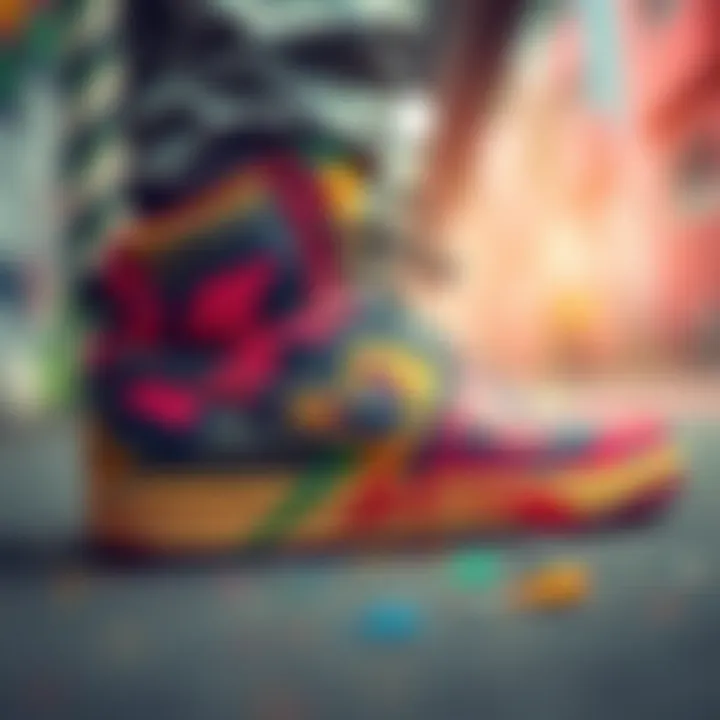
Graffiti shoes have emerged as more than just a fashion statement; they signify a cultural dialogue that echoes through city streets and art spaces. The vibrant colors, abstract designs, and sometimes chaotic motifs tell stories of identity and rebellion, reflecting the lifestyles and experiences of their wearers. In recent years, these shoes have redefined how we perceive footwear, turning them into canvases that express individuality and provoke thought.
The fascination with graffiti shoes lies not only in their unique aesthetics but also in the rich history they carry. They are intertwined with the urban arts movement, illustrating a partnership between street culture and high fashion. As society progresses, the influence of graffiti shoes on modern trends continues to grow, shaping how designers and influencers approach their crafts today. This article will examine these intersections closely, starting with contemporary fashion trends related to graffiti shoes.
Foreword to Graffiti Shoes
In the realm of modern fashion, few innovations resonate as deeply or as vividly as graffiti shoes. This division of footwear is not merely a seasonal trend; it represents a culturally rich phenomenon where artistry meets identity. Graffiti shoes have emerged as a canvas where street art intertwines with personal expression, and understanding this unique segment of the fashion landscape is essential for anyone in the industry.
The influence of graffiti shoes stretches beyond mere aesthetics. They encapsulate the spirit of rebellion and creativity, giving voice to individuals and communities that might otherwise go unheard. As society evolves, these shoes stand as a testament to cultural movements, urban identity, and the ever-changing definitions of style.
Moreover, graffiti shoes are not just about what meets the eye. They also reflect a broader narrative surrounding sustainability, customization, and the role of streetwear in contemporary commerce. As awareness grows regarding ethical production practices, the evolution of graffiti shoes serves as an interesting case study in how the relationship between fashion and societal values is continually being redefined.
Defining Graffiti Shoes
Graffiti shoes can be understood as footwear that integrates elements of street art, often displaying unique designs, patterns, or slogans that resonate with urban culture. These shoes break away from traditional patterns and embrace bold colors and complex graphics. The designs can vary, from hand-painted masterpieces to prints inspired by the graffiti subculture, including tags and stencils popular among street artists.
Typically, graffiti shoes go beyond being functional. They serve as wearable art that embodies the ethos of the streets. For many, donning a pair of graffiti shoes is akin to wearing a statement, reflecting individuality and a connection to the urban environment.
Historical Context
The roots of graffiti shoes can be traced back to the graffiti movement of the late 20th century, which transformed public spaces into vibrant displays of expression. Cities like New York and Los Angeles became breeding grounds for this subculture, influencing music, fashion, and art. As graffiti artists began to gain recognition, their influence reached beyond the walls of abandoned buildings and subway trains into the realm of fashion.
During the 1980s and 1990s, shoes like the Nike Air Force 1 started to be personalized through graffiti art, marking the inception of a movement that would eventually solidify its own identity. Artists like Keith Haring and Jean-Michel Basquiat blurred the lines between gallery art and street art, setting a precedent for later collaborations in the fashion world. By the 2000s, graffiti shoes gained momentum, evolving into a mainstream fashion trend that catered to a younger, style-savvy audience eager to showcase their personality.
As urban culture continued to evolve, brands began to embrace graffiti as an integral part of their design philosophy, leading to the emergence of limited edition releases and collaborations with renowned street artists. This swept across the globe, influencing footwear culture in various regions and setting the stage for what we recognize today as graffiti shoes.
Cultural Significance of Graffiti
Graffiti, often dismissed as vandalism, carries with it layers of meaning and expression that permeate the urban landscape. It serves not just as a form of art but as a voice for those often unheard. The cultural significance of graffiti lies in its ability to communicate, provoke thought, and challenge boundaries, making it particularly relevant in the context of graffiti shoes, which blend artistic expression with personal style.
Graffiti as an Art Form
Graffiti as an artistic medium transcends traditional aesthetics. It often uses urban settings as canvas, approaching it with vibrant colors and bold designs that aim to catch the eye. Artists like Banksy have turned graffiti into a phenomenon, elevating it from illegal street art to sought-after pieces displayed in galleries. This elevation has imbued graffiti with the cachet of high art, blending the lines of culture and commerce.
Moreover, graffiti encompasses various styles ranging from throw-ups to intricate murals. Each style has its own narrative, reflecting the artist's intent, societal commentary, or local ethos. This multifaceted nature offers flexibility in design, especially for graffiti shoes, which can encapsulate the artist's vision.
For many, graffiti is an outlet for self-expression. It allows individuals to voice opinions on societal issues or draw attention to cultural themes. It’s about taking a stand, leaving a mark, and telling a story—traits that find their way into the design of graffiti shoes.
"Art should comfort the disturbed and disturb the comfortable." — Cesar A. Cruz
The Role of Graffiti in Urban Identity
Within urban environments, graffiti helps construct identity. Neighborhoods have their own styles and slang, influencing how artists and their audiences communicate. In this framework, graffiti becomes a reflection of regional characteristics, telling stories of struggle, celebration, and community. Graffiti can signal gentrification or serve as a testament to cultural resilience in cities where economic pressures loom large.
Urban identity is often experienced through clothing, and graffiti shoes serve as a canvas for that identity. They carry the ethos of the streets, allowing wearers to express individuality while simultaneously fostering a collective community. The designs on these shoes can represent local stories or issues, exemplifying how fashion can embody cultural narratives.
As millennials and Gen Z seek ways to express their identity, graffiti shoes become a vehicle for individual styles. With their roots steeped in urban culture, these shoes act as cultural artifacts that enable wearers to connect with their environment on a deeper level. In this way, graffiti shoes are much more than mere accessories; they are a statement, reinforcing the idea of fashion as art.
Design Characteristics of Graffiti Shoes
Understanding the design characteristics of graffiti shoes is essential. This unique footwear is not just about comfort or style; it embodies a deep cultural narrative and a canvas for artistic expression. Through the thoughtful marriage of materials and design techniques, graffiti shoes stand at the crossroads of fashion and street art.
Materials Used
The materials that go into creating graffiti shoes are a revelation in themselves. Unlike standard sneakers that often rely on synthetic fabrics, many graffiti shoes utilize eco-friendly elements. Here are some key materials observed:
- Canvas: A favored choice for its durability and ability to hold vibrant colors. Designers often prefer canvas because it can be painted and printed more effectively compared to leather or plastic.
- Recycled Materials: Brands increasingly look to sustainable options like recycled plastic. This not only reduces environmental footprints but also lends an edgy aesthetic that embraces urban chic.
- Leather: Yet, leather remains in play for several high-end models. The juxtaposition of soft leather with graffiti art gives depth and richness to the overall look.
These materials work together to not just create a shoe, but to tell a story; a story of rebellion, artistry, and community. In addition to the aesthetic benefits, using varied materials can also enhance the comfort and longevity of the product, a dual benefit that reinforces the sneaker's appeal.
Design Techniques
The artistry of graffiti shoes is not merely skin deep. The techniques employed in their design contribute significantly to their visual and cultural impact. Key techniques include:
- Airbrushing: This method allows for intricate designs that make each pair of shoes one-of-a-kind. The airbrush technique creates fluid blends that can't be achieved by traditional methods.
- Stenciling: This technique is borrowed from street art, allowing designers to replicate iconic designs across multiple models. The stenciled designs often evoke a sense of familiarity within the urban landscape.
- Graphic Printing: Advanced graphic technology lets brands print high-resolution images directly onto shoes. This technique opens a treasure trove of possibilities, enabling rich visuals that elevate footwear beyond mere functionality.
In sum, the design characteristics of graffiti shoes are a synthesis of thoughtfully chosen materials and innovative techniques. Each aspect works in tandem to reflect the heartbeat of urban culture and the pulse of artistic expression.
Graffiti shoes are, in essence, wearable art—infused with stories and meaning, transcending traditional fashion boundaries.
For further reading on the evolution of materials and design techniques in footwear, consider visiting Britannica or explore insightful discussions on Reddit.
The Rise of Customization
The rise of customization in the realm of graffiti shoes represents a significant shift in how consumers view footwear. This change is not merely about aesthetics but speaks to deeper cultural narratives and consumer empowerment. Customization allows individuals to express their personality uniquely, turning shoes into functional art pieces. This personalization trend resonates strongly with younger generations who seek to define themselves outside of mainstream fashion dictates.
Customization comes with a multitude of benefits. Firstly, it fosters a sense of ownership. When someone designs their shoes, they invest more emotionally in the product. Each pair tells a story and reflects personal tastes, making them more than just a piece of footwear. The process itself can be quite liberating; it's a creative outlet that encourages self-expression and artistry.
Moreover, customization enables brands to connect with their audiences. It allows companies to engage their consumers directly, giving them insight into market trends and preferences. Being responsive to these insights can establish a loyal customer base, as consumers feel valued when their preferences influence product offerings.
However, there are considerations to keep in mind. Not every company has the operational infrastructure to handle customization at scale. It can also introduce complexities in inventory management and logistics. The balance between efficiency and personalization is a tightrope walk that brands must navigate carefully.
DIY Graffiti Shoes
The DIY movement has taken the sneaker world by storm, particularly within graffiti culture. DIY graffiti shoes empower individuals to craft something entirely original, often using well-worn sneakers as their canvas. Many enthusiasts start with a classic model, such as the Converse Chuck Taylor or Nike Air Force 1, and let creativity run wild.
Materials for DIYing are diverse. From fabric paint to spray paint, markers to stencils, the options are limited only by one's imagination. The social media landscape, especially platforms like Instagram and TikTok, has played a pivotal role in popularizing these creations. Tutorials abound, showing novice artists how to transform their bland shoes into eye-catching murals.
Beyond aesthetics, DIY also invites social commentary. Graffiti has historically been a voice for the voiceless, and this ethos translates to shoes as well. When individuals customize their footwear, they can express political views, raise awareness about social issues, or simply celebrate their uniqueness. This aspect can no longer be seen merely as fashion; it’s a modern form of storytelling.
Brand Collaborations
Brand collaborations have become a driving force in the evolution of graffiti shoes, marrying high fashion with street art. When brands align with graffiti artists or urban influencers, the end product often reflects a merging of ideals, styles, and narratives. This collaboration adds value and generates buzz, appealing to both sneakerheads and fashion enthusiasts alike.
Take, for instance, the partnership between Nike and renowned graffiti artist Futura. Their sneakers highlighted the vibrancy of street culture while maintaining an air of exclusivity. Such collaborations ignite excitement in consumers and elevate the status of graffiti shoes to a realm of collectibility.
Additionally, these partnerships expand the scope of creative possibilities. Brands often challenge artists to push boundaries; the outcome is frequently innovative designs that capture public interest and consumer imagination. Retailers benefit immensely from collaborating with popular artists, tapping into their audiences and gaining credibility.
"The fusion of graffiti art with sneaker design challenges not only the aesthetic but also the very fabric of street culture."
In summary, the rise of customization, whether through DIY avenues or through strategic brand partnerships, underscores a transformative phase for graffiti shoes. They symbolize an evolving dialogue within fashion, emphasizing individuality while paying homage to cultural roots. This shift represents not just a trend, but a fundamental change in consumer expectations and artistic expression.
Influence of Graffiti Shoes on Streetwear


Graffiti shoes play a significant role in the conversation about streetwear, intertwining art with fashion in a way that's hard to ignore. These shoes illustrate a rebellion against the mundane and an embrace of personal expression. The infusion of graffiti art into footwear reflects the very essence of street culture, marrying aesthetics with identity and community.
Integration with Street Culture
Street culture, carved from urban environments, thrives on authenticity and individuality. Graffiti shoes herald from this landscape, often featuring vibrant, bold designs that tell stories. It's not just about a cool pair of sneakers; it’s about making a statement. When people wear graffiti shoes, they may express their connection to their neighborhoods or pay homage to the artists who inspired them.
For many, these shoes serve as a canvas that bridges various artistic influences. The use of spray paint techniques, vibrant colors, and layered designs encapsulates the essence of street art. Here are a few key aspects of this integration:
- Cultural History: Graffiti has roots in marginalized communities, giving a voice to the voiceless. Wearing graffiti shoes honors this tradition.
- Community Engagement: Collaborative art projects often feature graffiti artists and sneaker brands working together, further embedding graffiti in the street fashion mentality.
- Visual Expression: The artwork on the shoes often reflects current events or social issues, making these pieces not just footwear but a conversation starter.
The aesthetic choices made in graffiti shoe designs resonate with the ethos of street culture. This makes them not just a fashion statement but a declaration. Wearing these shoes is a method of affirming one's identity, illustrating how deeply intertwined art and fashion can be in urban landscapes.
Fashion Icons Sporting Graffiti Shoes
Throughout the years, numerous fashion icons have sported graffiti shoes, illustrating their acceptance and elevation within the broader fashion industry. Celebrities and influencers have taken a liking to these vibrant designs, blending urban style with high fashion. Some notable examples include:
- Kanye West: His collaborations often feature bold patterns and themes reminiscent of graffiti art.
- Rihanna: Known for making statements both in music and fashion, she has been seen donning graffiti sneakers, showcasing the intersection of artistic expression and celebrity culture.
- Lil Nas X: Known for pushing boundaries in both music and fashion, his colorful style incorporates graffiti shoes that resonate well with his artistic brand.
These personalities not only wear graffiti shoes but also align with the messages they convey—freedom, rebellion, and authenticity. By choosing such expressive footwear, these icons amplify the visibility of graffiti shoes, impacting consumers and inspiring countless others to embrace this art-infused fashion choice.
Graffiti shoes in streetwear pave the way for new ideas, allowing artists to transcend conventional boundaries. They tell stories of struggle, celebration, and identity, showcasing what streetwear embodies at its core. As the lines between fashion and art continue to blur, we can expect graffiti shoes to remain at the forefront of this evolution.
Sustainability in Graffiti Shoe Production
Addressing sustainability in the production of graffiti shoes is no longer just a niche concern; it has become a pivotal element influencing consumer choices and brand ethos. As the fashion industry wrestles with its environmental footprint, graffiti shoes—often seen as a symbol of rebellion and self-expression—are stepping into a new role as advocates for eco-conscious practices. This shift signifies a broader awareness among consumers, particularly the younger demographic, who prioritize sustainability alongside style.
One of the primary reasons sustainability matters in graffiti shoe production is its impact on the environment. Footwear manufacturing is traditionally resource-intensive, with high water usage and an abundance of non-biodegradable materials contributing to pollution. By adopting sustainable practices, brands not only lessen their environmental impact but also appeal to a market that's increasingly demanding eco-friendly products. The move to sustainability can encompass various elements, including material sourcing, waste reduction, and ethical manufacturing practices, transforming how these vibrant art pieces are created.
Eco-friendly Materials
When we talk about eco-friendly materials in graffiti shoes, it’s all in the details. Many brands are now turning to innovative alternatives like organic cotton, recycled polyester, and even biodegradable synthetics in place of conventional leather and plastics. For example, brands such as Allbirds have pioneered the use of eucalyptus tree fiber, showcasing that comfort and sustainability can indeed walk hand in hand—or rather, foot in foot.
In addition to organic materials, the use of natural dyes derived from plants is gaining traction. This practice eliminates the harmful chemicals often used in fabric dyeing processes, thereby reducing water pollution and the adverse effects of toxic runoff.
"Using sustainable materials not only supports the planet but also fosters a narrative of authentic craftsmanship that resonates with modern consumers."
With these eco-friendly materials at their disposal, artists and designers can continue to imbue their graffiti shoes with unique art while being eco-responsible. Using materials that are safe for the planet elevates the concept of personalization to a new level, allowing for creative freedom without compromising the wellbeing of the environment.
Impact on the Fashion Industry
The shift towards sustainability in graffiti footwear production is signaling a seismic change in the fashion industry overall. The once linear approach to production—take, make, dispose—is evolving into a circular model where recycling and reuse form the backbone of design.
Some brands are setting precedents by implementing take-back programs, encouraging customers to return worn-out shoes for recycling. This not only minimizes waste but also cultivates customer loyalty and brand engagement. Recognizing that consumers today favor brands that align with their values, many companies are embedding their sustainability commitments into their core brand stories.
This eco-driven momentum is also inspiring collaborations across different sectors. Graffiti artists and fashion designers are joining hands to conceptualize collections that tell powerful stories around sustainability. They are harnessing the power of eco-conscious creativity to influence trends, making it clear that sustainability is not a fleeting fad, but a transformative force shaping the future of footwear design.
Market Trends and Consumer Preferences
Understanding market trends and consumer preferences in the realm of graffiti shoes provides vital insight into not only what styles and designs are catching attention but also why they resonate so deeply with audiences today. In a world where fashion constantly ebbs and flows, graffiti shoes emerge as a unique intersection of art and wearability. The thriving interest indicates a shift towards a more personalized and expressive form of footwear, marrying function with creative expression.
One significant trend is the growing demand for limited edition releases, where brands collaborate with graffiti artists to produce exclusive designs. These collaborations often become instant collectibles, fueling the desire among fashion enthusiasts to own a piece of wearable art. This phenomenon highlights an important point: consumers are not merely looking for shoes; they are seeking stories and experiences tied to their purchases.


Moreover, social media plays a crucial role in shaping these trends. Platforms like Instagram and TikTok have become hotspots for sharing graffiti shoe styles, leading to viral moments that drive instant consumer interest. The influence of street influencers and artists cannot be overlooked as they provide authenticity and relatability, making consumers feel connected to the movement.
A few key elements to consider about market trends and consumer preferences include:
- Artist Collaborations: Brands teaming up with well-known graffiti artists not only boosts their market visibility but emphasizes the artistic side of footwear.
- Sustainable Options: As eco-awareness rises, many consumers are leaning towards brands that incorporate recycled materials and sustainable practices in their production process.
- Customization: The desire for unique, one-of-a-kind pieces encourages the trend of DIY graffiti shoes, where individuals can express their creativity through personalized designs.
As the fashion landscape evolves, graffiti shoes stand as an emblem for a new generation of consumers who prioritize individuality and artistry. This shift toward personal expression in footwear design reaffirms the cultural and artistic significance of graffiti shoes in modern fashion.
Popular Brands and Models
The market for graffiti shoes is vibrant, populated by a diverse range of brands that cater to various consumer preferences. Some standouts include Nike, especially with their Air Force and Dunk silhouettes, which often feature custom designs by different artists. Similarly, Adidas showcases heritage through collaborations with graffiti legends, creating iconic sneakers that speak to both history and innovation.
- Puma: Their ongoing projects with urban artists bring innovative designs to the forefront, often highlighting both bold graphics and cultural references.
- Vans: Known for their customizable platform, Vans offers enthusiasts a way to put their own twist on the classic styles, often infused with graffiti art.
- Converse: With the launch of lines featuring artist collaborations, Converse taps into the rich storytelling that graffiti brings.
Target Demographics
When analyzing target demographics, it becomes evident that graffiti shoes attract a wide range of consumers, though specific segments stand out prominently.
- Young Adults and Teenagers: This demographic tends to be more experimental and open to bold styles, making them prime candidates for edgy graffiti designs. Their purchasing decisions are often influenced by social media trends and peer recommendations.
- Art Enthusiasts: Individuals who appreciate street art often seek out graffiti shoes as a means to express their passion for the art form, providing authenticity in their style choices.
- Fashion-forward Consumers: Targeting those who prioritize unique fashion statements, brands drive interest through exclusive releases and limited-run designs that appeal to this demographic's desire for individuality.
In essence, the fusion of graffiti culture with fashion aligns closely with the desires of consumers seeking artistry, community, and self-expression. The remarkable journey of graffiti shoes reflects broader cultural dynamics and sets the stage for future developments in the footwear landscape.
Future Prospects for Graffiti Shoes
The focus on graffiti shoes is not just about their present popularity; it also encompasses the vital role they will play in the future of fashion. As the world becomes increasingly interconnected through social media and global influences, graffiti shoes stand at the forefront of a movement that embraces individuality and artistic expression. Their evolution reflects a broader cultural shift, where personal storytelling through fashion takes the spotlight. Therefore, exploring the future prospects for graffiti shoes includes understanding the dynamics of emerging styles, technological advances, and, ultimately, their significant impact on the fashion industry.
Evolving Styles and Trends
Fashion trends are like tides; they swell, recede, and sometimes catch us completely off guard. Graffiti shoes, in particular, present a fascinating canvas that continuously evolves. The aesthetic that was once solely about rebellion and street culture has transformed into something far richer. Here are a few notable trends shaping the future of graffiti footwear:
- Personalization: Consumers are increasingly seeking unique pieces that reflect their individual identities. Many brands now offer custom designs, allowing wearers to input their designs, thus pushing graffiti shoes towards even more of an art form.
- Sustainability: Environmental concerns are reshaping the way shoes are designed. The future sees an uptick in the use of eco-friendly materials and methods in producing graffiti shoes, merging art with a responsible approach to consumption.
- Global Fusion: As streetwear permeates various cultural lines, graffiti aesthetics from different parts of the world are blending into footwear designs. This global approach not only diversifies offerings but also enriches the narrative that each shoe tells.
- Art Collaboration: Expect to see more partnerships between renowned artists and footwear brands, where the shoe becomes a literal canvas for distinguished murals and artwork, amplifying graffiti's role in the fashion ecosystem.
The Role of Technology in Design
Technology is becoming a game changer in the world of graffiti shoes. The advances in both materials and design processes are paving the way for innovative, high-quality products that fuse artistry with functionality. Here are key developments worth noting:
- 3D Printing: This technology allows designers to craft intricate patterns and textures, enabling complex graffiti designs to be realized at an unprecedented scale. Imagine a shoe where every angle captures a different slice of street art, all thanks to precise printing techniques.
- Augmented Reality (AR): Brands are exploring AR to enhance the consumer experience. Imagine pointing your phone at your graffiti shoes and seeing them come to life with animations or digital designs that shift and change based on the viewer’s perspective.
- Smart Materials: The future of graffiti shoes also includes smart textiles that can adapt to environmental conditions, such as changing their color based on the wearer's mood or weather, thus further bridging the gap between art and technology.
"Graffiti shoes signify more than just a footwear choice; they are a testament to the power of self-expression and the artists who bring them to life."
Ending
The exploration of graffiti shoes reveals not just a phenomenon of fashion, but an evolution of self-expression stitched into the fabric of urban life. The significance of this topic lies in how these shoes have reshaped our understanding of identity, creativity, and culture. Graffiti shoes serve as a canvas where vibrant colors and bold designs merge, crafting a narrative that goes beyond mere aesthetics.
Summarizing the Influence of Graffiti Shoes
In looking back, it becomes evident that graffiti shoes are a perfect fusion of art and utility. They bring forth the voices of artists and everyday individuals alike, making art accessible to all. For fashion designers, the influence of graffiti shoes can be seen in the adoption of unique patterns and textures in mainstream fashion. It's not just about wearing a piece of art; it's about embodying the stories they tell.
- Artistic Expression: They champion creativity, inviting customization and personal touches.
- Cultural Reflection: As a mirror to the streets they stem from, these shoes encapsulate the urban narrative.
- Marketplace Impact: The rise of brands that celebrate this trend indicates a shift in consumer preferences towards authenticity and individuality.
To put it succinctly, graffiti shoes act as a bridge between subcultures and high fashion, democratizing art and community connection.
Final Thoughts on the Intersection of Art and Fashion
On the final note, the relationship between art and fashion is a dynamic one, especially when we discuss graffiti shoes. These footwear pieces highlight the endless possibilities of design, where boundaries between artistic expression and everyday wear are blurred. As technology continues to advance, and as cultural movements evolve, one can only speculate how graffiti shoes will further innovate.
The creativity they inspire is limitless, making them more than just items of fashion but symbols of cultural resilience and evolution. As more designers embrace graffiti-inspired elements, the future holds potential for even greater integration of street art in mainstream fashion avenues.
Ultimately, this intersection of art and fashion is not simply a trend; it is a reflection of cultural identity and personal expression, making graffiti shoes a vital part of any modern wardrobe. The journey of graffiti shoes is ongoing, and its future in the fashion realm is as exciting as the bold designs they carry.