Exploring the Colorblock Striped Sweater: Fashion Insights
Intro
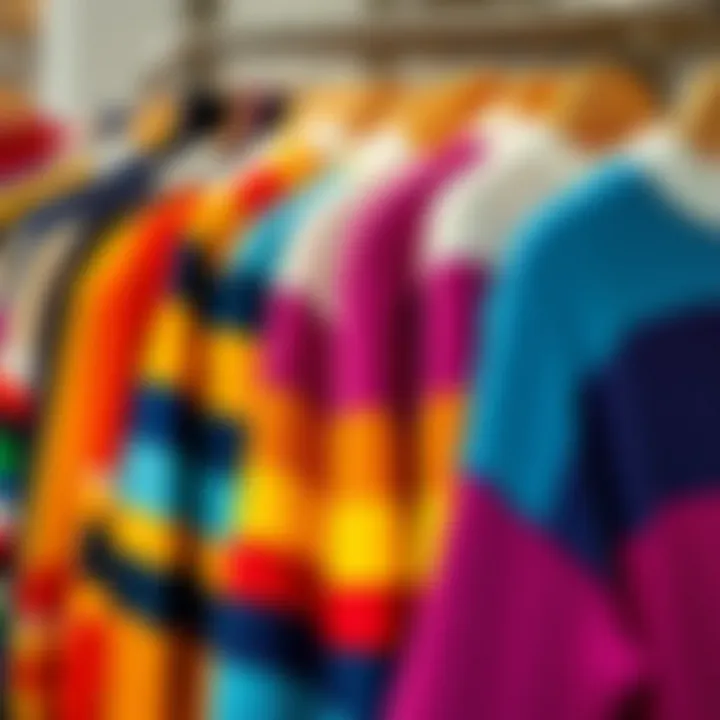
The colorblock striped sweater has cemented itself as a staple in contemporary fashion, capturing the attention of stylists and fashion enthusiasts alike. This dynamic garment combines bold colors and distinctive stripes, making it not just a clothing choice but a means of expression. As styles shift and evolve, understanding the intricacies of how to wear and care for such a piece is crucial for anyone looking to enhance their wardrobe. This guide will explore the multifaceted world of the colorblock striped sweater, from its trend evolution to styling tips and practical maintenance advice.
Fashion Trends
Current Season Highlights
As we delve into the current fashion scene, the colorblock striped sweater re-emerges as a prominent trend for this season. Designers across the board are playing with a variety of materials, from chunky knits to lightweight yarns, allowing for creativity and comfort in styling. Today’s color palettes go beyond classic combinations, incorporating unexpected hues like teal and mustard, or even subtle pastels, which create striking contrasts.
Moreover, layering the sweater—a time-tested fashion technique—remains popular. Pairing it with a long-sleeve blouse underneath or a cropped jacket over it not only adds dimension but allows for versatility in wear. This adaptability fits perfectly with the idea of dressing up or down, making it suitable for casual outings as well as more formal settings.
Iconic Looks Through the Ages
The colorblock sweater has traveled through fashion’s timeline, marking its territory in various fashion movements. In the 1980s, vibrant block colors dominated runways and streets alike, often accompanied by statement accessories. Designers like Jean-Paul Gaultier were instrumental in this shift, pushing the barriers of color use in knitwear. Fast forward a few decades, and we see a revival of these bold looks, aligned with the slow fashion movement that emphasizes sustainability by celebrating timeless pieces. As people seek clothing that resonates with individuality, the colorblock striped sweater continues to embody these values.
"Fashion is about dressing according to what’s fashionable. Style is more about being yourself."
— Oscar de la Renta
Fabric Care Tips
Washing and Maintenance Guidelines
When it comes to caring for your colorblock striped sweater, proper maintenance is key to preserving its vibrancy and integrity. Always check the label for specific washing instructions. Generally, hand washing in cold water with a gentle detergent is recommended to prevent colors from bleeding. For machine washing, consider placing it in a mesh laundry bag and selecting a delicate cycle. The most delicate fabrics, like cashmere, may require dry cleaning for optimal care.
Choosing the Right Products for Different Fabrics
Selecting the appropriate detergent and fabric softener can make a notable difference in maintaining your sweater's condition. For example, using a wool-specific detergent helps protect the fibers and retain softness. When drying, air drying is preferred to avoid potential shrinkage. Using wooden hangers can provide structure while preventing wear and tear from traditional hangers.
Incorporating these care tips not only helps extend the life of your garment but also supports sustainable fashion practices by reducing waste.
End
Understanding the nuances of the colorblock striped sweater goes beyond aesthetics. From its historical significance to modern styling possibilities and fabric care tips, this garment offers a versatile addition to any wardrobe. Whether you’re a designer, retailer, or fashion enthusiast, these insights are designed to equip you with essential knowledge as you navigate the colorful world of fashion.
For further reading on fashion trends and care, consider checking resources from Wikipedia, Britannica, and Reddit. These platforms host a wealth of information that can deepen your understanding and enhance your fashion journey.
Prelude to the Colorblock Striped Sweater
In recent years, the colorblock striped sweater has transitioned from niche fashion statements to mainstream essentials. This piece fascinates not only with its visual appeal but also for its versatility and ease of styling. When one thinks about the colorblock striped sweater, it creates a vivid image of contrast and harmony, where vibrant hues intertwine with bold stripes to create a garment that resonates with personality and style. This garment serves as a bridge for those looking to make a statement while still maintaining an air of comfort and warmth.
The importance of this topic lies in its representation of contemporary trends in knitwear. Fashion designers, stylists, and even aficionados often seek to understand how to incorporate these striking pieces into their wardrobes. A colorblock striped sweater is not just another layer; it’s a canvas of colors that tells a story about modern aesthetics and personal flair. These sweaters open doors to endless styling possibilities, offering a chance for self-expression through fashion.
Benefits of the Colorblock Striped Sweater
- Versatile Styling Options: It can be paired with anything from casual denim to tailored trousers, making it a reliable choice for various occasions.
- Seasonal Adaptability: Perfect for layering in cooler months or worn over a simple tee in warmer seasons.
- Bold Fashion Statements: The unique blend of colors and patterns invites attention and becomes a focal point of any outfit.
- Comfort Meets Style: Knitwear is synonymous with comfort, and the added design elements elevate it beyond mere function.
Considerations about Choosing a Colorblock Striped Sweater
- Material Matters: Opting for the right fabric—be it wool, cotton, or synthetic blends—can significantly affect both comfort levels and durability.
- Color Dynamics: Understanding how colors interact plays a huge role in achieving that coveted look. Choosing complementary colors or striking contrasts can elevate your style game.
- Fit and Silhouette: The fit of the sweater can dramatically change its impact. For instance, an oversized fit can give a relaxed vibe, while a tailored version may convey professionalism.
As this article unfolds, it will take you through the historical context, practical styling tips, and maintenance advice for colorblock striped sweaters, blending both timeless elements and modern insights.
"Fashion is about more than just clothes. It's about how you express yourself and communicate who you are."
For those seeking to add intellectual flair to their wardrobes, understanding the significance of the colorblock striped sweater is a step towards innovative personal styling. Whether you are a fashion designer, stylist, retailer, influencer, or a dedicated fashionista, this exploration into colorblock striped sweaters will unveil the ways you can embrace and elevate this trending piece.
Historical Context of Sweater Fashion
Understanding the historical context of sweater fashion is crucial as it sheds light on how styles evolve and why certain trends come and go. The sweater has transformed from a functional garment to a fashion statement. Exploring this journey not only highlights the artistry involved in knitting and design but also reflects societal shifts and cultural influences in fashion. The colorblock striped sweater stands as a testament to this evolution, marrying practical comfort with vivid aesthetics, an embodiment of the past and a reflection of contemporary culture.
Origins of Knitwear
Knitwear traces its roots back several centuries, with evidence of knitted garments found in ancient Egypt, as noted in various historical records. The earliest knitters were skilled artisans, using practical techniques such as the looping method to create functional items. Distinctly, knitwear was not always seen as a fashion item; its primary purpose was for warmth, especially among fisherman and laborers in cold regions.
In the 14th century, knitting became more widespread across Europe, and by the 19th century, it shifted significantly with the advent of machinery. This technology allowed for mass production, changing knitwear from a cottage industry to a staple of everyday fashion. The emergence of the sweater in society illustrated a growing appreciation for cozy, casual comfort. Not only were these garments practical, but they also became a symbol of a more leisurely lifestyle, especially among the bourgeoisie.
Evolution of Stripes in Clothing
Stripes, in various forms, have held a significant place in the textile world long before the colorblock trend. The traditions of using stripes in clothing can be traced to maritime cultures, where sailors wore striped clothing as a means of identification or even superstition against storms. Over time, patterns became associated with high fashion. In the 20th century, designers like Coco Chanel brought stripes into the realm of chic, elevating them from their humble beginnings to the style icon status we know today.
During the 1960s, stripes blossomed into a vibrant unisex trend, merging playfulness with sophistication. The advent of colorblocking came into play as designers sought innovative ways to combine patterns without straying into chaos, maintaining an aesthetic balance while allowing bold colors and designs to emerge. Stripes enabled a creative language, where fashion could express identity, lifestyles, and cultures on a fabric canvas.
The Rise of Colorblocking in Fashion
Colorblocking emerged as a prominent style in the late 20th century, particularly in the 1980s. This fashion movement was characterized by combining large blocks of solid colors, often in striking combinations. It was a visual feast that broke symmetry and challenged traditional patterns. The colorblock striped sweater is a prime example of this evolution.
Fashion influencers at the time, including Yves Saint Laurent, took to experimenting with colors, making bold statements that invited wearers to express personal style freely. This trend was essential in moving away from austere design philosophies, allowing individuals to play with contrast and shades, leading to more dynamic and exciting outfits.
In recent years, the colorblock approach has found new life with younger designers embracing vibrant combinations of color in knitwear, reinforcing the concept that sweaters aren't just for cold weather anymore; they can serve as a canvas for individual expression.
"Fashion is more than just a dress code; it's a form of communication that transcends time and trends."
The intertwining histories of sweaters, stripes, and colorblocking reveal a rich tapestry of creativity in the fashion landscape. Understanding this historical context lays the groundwork for appreciating the design and versatility of the colorblock striped sweater, making it much more than a mere fad.
Key Features of the Colorblock Striped Sweater
Understanding the key features of the colorblock striped sweater is essential for anyone looking to make an informed fashion choice. This combination brings together the dynamic visual appeal of colorblocking and the classic vibe of stripes, resulting in a garment that can suit various styles and occasions. Beyond the mere aesthetics, these features contribute significantly to comfort, versatility, and personal expression.
Material Choices
Wool
Wool has long been known for its exceptional insulating properties, making it a favored choice for sweaters. When it comes to colorblock striped sweaters, wool stands out due to its natural elasticity, helping maintain the shape even after extensive wear. Additionally, the moisture-wicking property of wool allows for comfort across varying temperatures. However, it's essential to note that wool can require special care. The key here is to appreciate its durability and warmth while balancing the need for maintenance, which can be a downside for some.
Cotton
Cotton is another popular option, providing a soft and breathable feel. In the context of colorblock striped sweaters, cotton offers vivid colors and patterns that tend to stand the test of time. Its hypoallergenic nature makes it suitable for sensitive skin. However, it’s worth mentioning that cotton is less insulating than wool, making it less ideal for colder weather. That being said, its lightness makes it great for layering and transitioning between seasons.
Synthetic Fibers
Then there’s synthetic fibers like polyester, which often mimic the look of wool or cotton but come with a host of practical advantages. These fibers are designed to be durable, resistant to wrinkles, and often maintain their shape better over time. For a colorblock striped sweater, the affordability of synthetic options can make it appealing for budget-conscious consumers. On the flip side, some people find synthetic materials lower in breathability, particularly in warmer climates, so a careful choice is necessary depending on how and where the sweater will be worn.
Color Combinations
Complementary Colors
Complementary colors are all about pairs that sit opposite each other on the color wheel, creating a striking visual contrast. In colorblock striped sweaters, using complementary colors can elevate the overall look to new heights. This technique not only attracts attention but also enhances the wearer's features. However, comfort in this choice should be noted—if trying to match outfits, sometimes these stark contrasts can be overwhelming without the right styling.
Bold Contrasts
Bold contrasts take things a step further, playing with not just opposing colors but wrapping them in intense saturation. This ensures the stripes and blocks stand out, bringing a playful and daring edge to a wardrobe. Bold contrasts in a sweater can convey confidence and creativity. Nevertheless, such striking options might not align with everyone's personal style, which makes understanding one’s palate key prior to purchasing.
Earth Tones
Earth tones offer a subtler approach, introducing a sense of calm and grounding to the over-the-top nature of colorblocking. Shades like browns, greens, and muted reds work beautifully together, allowing for versatile styling opportunities. An earthy palette can fit well in more casual or professional environments. The disadvantage might appear when aiming for a more dramatic fashion statement—the muted nature may not grab attention as brightly as bolder hues.
Design Variations
Fit and Silhouette
The fit and silhouette of a colorblock striped sweater can profoundly influence its style and wearability. Whether it’s a loose, relaxed fit or a tighter silhouette, the choice affects how the garment drapes and flatters the body. A slim fit can be particularly suitable for layering under jackets, while oversized options make for a laid-back weekend look. Keep comfort in mind; it can often dictate if a sweater becomes a go-to favorite.
Neckline Styles
From crew necks to V-necks, the neckline style of a colorblock striped sweater can change the outfit's entire flavor. A crew neck tends to give a more classic appearance, while a V-neck allows for a longer neck look, often complemented by a statement necklace. Each has its advantages depending on personal style and occasion—understanding the proper pairing with body shape plays a crucial role here.
Sleeve Lengths
Finally, sleeve lengths can define the versatility of the colorblock striped sweater, offering options from short sleeves perfect for warmer days to long sleeves suitable for winter layering. A 3/4 length can offer a stylish middle ground. It’s crucial to consider your seasonal needs and fashion preferences; sometimes, a simple adjustment in sleeve style can alter the entire aesthetic of an outfit.
In summary, the choice of material, color combinations, and design variations all contribute to the allure of the colorblock striped sweater, offering fashion-savvy individuals the means to express their personal style.
Styling the Colorblock Striped Sweater
When talking about the colorblock striped sweater, it is crucial to dig into its styling potential. This garment is not just about keeping warm; it’s a versatile outfit piece that can bridge casual and professional wardrobes effectively. Choosing the right way to style this sweater can elevate any look, making it suitable for different occasions, from cozy weekends to office settings. By exploring the various ways to style this trend, readers can find inspiration and practical tips to enhance their own fashion sense.
Casual Looks
Pairing with Denim
One of the most popular combinations with a colorblock striped sweater is denim. This pairing plays well on the casual vibe while still allowing room for flair. Whether it’s jeans, shorts, or a denim skirt, the softness of denim balances the boldness of the sweater, creating an effortless look. The beauty of this fit is in its versatility: you can dress it up or down with careful choice of footwear and accessories.
A unique feature of denim is its ability to adapt to body types and styles. For example, high-waisted jeans can elongate the leg line, creating a flattering silhouette that complements the bulkiness of the sweater. However, be wary of oversized sweaters, as they could swamp smaller frames, defeating the purpose of a chic, put-together look.
Layering with Outerwear
Layering with outerwear introduces an additional dimension to styling the colorblock striped sweater. This technique not only provides warmth but also adds textural contrast. A classic leather jacket, a structured blazer, or a cozy trench coat can complement the stripes and colors of the sweater beautifully. It’s all about finding the right outer layer that enhances the color palette.
A standout benefit of layering is its versatility in terms of seasonal wear. You can easily throw on a light jacket for spring or a heavier coat during winter, allowing the sweater to shine through without compromising comfort. Just remember to keep the overall look balanced to avoid looking bulky, especially with heavier materials.
Office-Ready Ensembles
Smart-Casual Pairings
In the realm of smart-casual attire, the colorblock striped sweater can take center stage. When paired with tailored trousers or a sleek midi skirt, this combination transitions seamlessly into the office environment. The key characteristic here is to keep the look smart without coming across as overly formal.
A great feature of this pairing is the effortless chic it can provide. For instance, opting for a monochromatic bottom can help draw attention to the vibrant colors of the sweater, making a bold statement without going overboard. However, caution is necessary—you should ensure that the fit of both the trousers and the sweater complement each other to avoid an unbalanced ensemble.
Accessorizing for Professional Settings
Accessorizing in a professional setting can add a refined touch to the colorblock striped sweater. Choosing the right handbag and shoes can elevate the outfit's sophistication. For instance, a structured tote paired with classic pumps can communicate confidence and assurance.
One advantage of accessorizing is the freedom to express your personal style within the confines of professional dress codes. Yet, it requires a delicate balance; oversized jewelry or overly vibrant accessories can detract from a polished appearance. Aim for pieces that highlight your features rather than overshadowing them.
Evening Wear Options
Dressy Trousers
Switching gears into evening wear, one can find that dressy trousers can really transform the look of a colorblock striped sweater. These trousers, often made from luxurious fabrics like silk or fine wool, can elevate the sweater into a chic nighttime outfit. The key characteristic of this pairing is its ability to offer a sophisticated yet comfortable option for formal gatherings.
The unique feature here is that dressy trousers come in various styles, from wide leg to tailored fits. This variety allows for personalization based on body shape and personal taste. However, one must pay attention to the color compatibility between the trousers and the sweater to ensure that the look is cohesive.
Statement Jewelry
Lastly, incorporating statement jewelry into the outfit adds a striking focal point, enhancing the overall appeal of a colorblock striped sweater for evening affairs. Accessories like bold necklaces, oversized earrings, or intricate bangles can amplify the vibrancy of the stripes.
A significant benefit of statement jewelry is its potential to draw attention vertically, creating an elongated, flattering appearance. Nevertheless, too many bold pieces can overshadow the sweater itself, so it’s advisable to select one or two eye-catching elements to maintain balance within the aesthetic.
Moreover, styling a colorblock striped sweater offers endless possibilities for expressing individual style. Readers should consider their own tastes and occasions when experimenting with these tips to unlock the full potential of this versatile garment.
Practical Considerations for Wear
When it comes to incorporating a colorblock striped sweater into your wardrobe, practical considerations are the backbone of a seamless styling experience. Understanding not just how it looks, but also how it feels and wears over time is crucial. This section provides insights into sizing, fit, and climate adaptability of these versatile sweaters, ensuring that fashion choices are not just about aesthetics, but also about comfort and function.
Sizing and Fit
Understanding Measurements
In the world of fashion, the fit is king; a well-fitted sweater can elevate your look while a poor fit might entirely ruin it. Understanding measurements is about finding the sweet spot between style and comfort. Knowing your bust, waist, and hip measurements can guide you in choosing the right size to ensure the sweater fits like a glove. With colorblock designs, which often play with proportions, this becomes even more key.
A well-fitted colorblock striped sweater flatters your figure, accentuating your body's natural shape and contours. However, each brand may have its own sizing standards, complicating the selection process. Therefore, always refer to sizing charts and consider reviews when shopping online.
- Key characteristic: The ability to fit snugly without being restrictive.
- Benefits: Enhances comfort and boosts confidence.
- Disadvantages: Some brands may run small, potentially leading to frustration during the purchase process.
Tailoring Options
Even after selecting the right size, tailoring options present a fantastic way to personalize your sweater. Tailoring does not just mean altering length but could also involve adjusting the fit around the shoulders and waist. By consulting with a skilled tailor, you can transform a commercially produced item into a one-of-a-kind piece tailored just for you.
This aspect gives the colorblock sweater an edge, as each block of color can be precisely aligned to your preferences.
- Key characteristic: Custom fit adjustments.
- Benefits: Ensures that the piece genuinely feels like it was created for you.
- Disadvantages: Involves extra time and cost, as not everyone opts for tailoring.
Seasonal Suitability
Warm Weather Versatility
The colorblock striped sweater showcases remarkable versatility across seasons, making it an adaptable choice for varying climates. For warmer weather, selecting lighter materials like cotton allows breathability while still maintaining stylish appeal. The combination of block colors against stripes can invoke vibrant energy, a perfect vibe for a summer outing.
When styled with lighter accessories, these sweaters provide just the right balance, not overwhelming the frame while still being eye-catching.
- Key characteristic: Fabric selection and its impact on comfort.
- Benefits: Offers a trendy way to layer without excessive heat.
- Disadvantages: Heavier fabrics might cause discomfort in high temperatures.
Layering in Cold Conditions
Once the chill of winter creeps in, the colorblock striped sweater can transition to be an integral layering piece. Combine it with a stylish trench or a fitted jacket for a sophisticated yet cozy look. The key here is to work with textures and colors—layering allows for deeper engagement with both style and comfort.
Additionally, think about the other pieces you add; thermal tops or turtlenecks offer warmth when worn beneath the sweater while still letting the striking colors shine through.
- Key characteristic: Layering potential in varying styles.
- Benefits: Maximizes use throughout the year, remaining stylish and comfortable.
- Disadvantages: Over-layering could lead to bulkiness, which may detract from the sleek look.
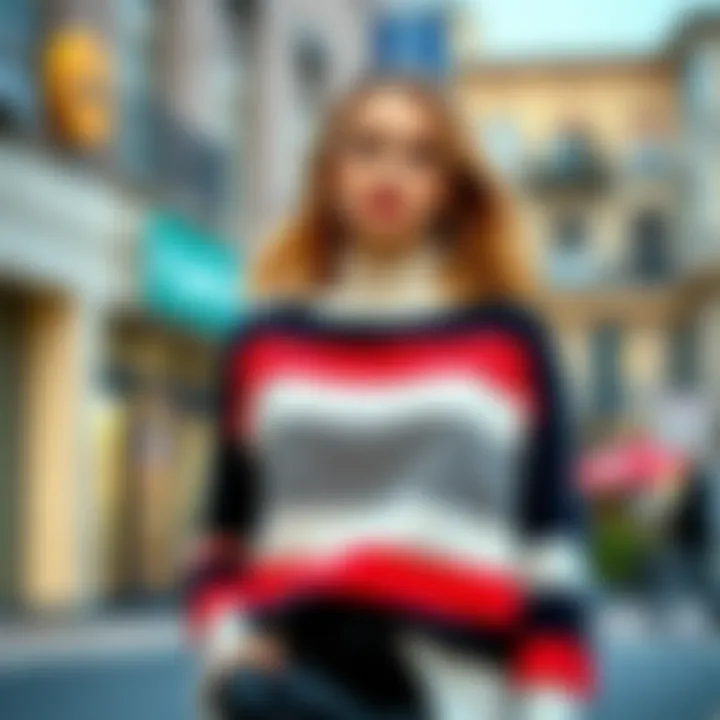
Ultimately, understanding fit and adapting for seasonal change can empower you to make the most of your colorblock striped sweater, turning it into a timeless wardrobe staple for years to come.
Care and Maintenance of Colorblock Striped Sweaters
Taking good care of your colorblock striped sweater is crucial for maintaining its aesthetic appeal and prolonging its lifespan. These garments can be a bit temperamental, depending on their fabric and construction. Proper care can prevent fading of those bold colors and stretching of the knit, ensuring that your sweater looks fresh and remains comfortably fitting for seasons to come. Not to mention, routine maintenance preserves the investment made in quality pieces.
Washing and Drying Guidelines
Machine vs Hand Wash
When it comes to washing your colorblock striped sweater, the choice often boils down to machine or hand washing. Hand washing is frequently considered the gentler option, reducing the risk of wear and tear significantly. This method allows for more delicate care, especially for sweaters made from natural fibers like wool. Hand washing also lets you control the temperature and agitation, leading to fewer mishaps. However, it can be time-consuming.
On the flip side, machine washing has its advantages. Many modern washers feature delicate cycles that mimic hand washing, making it easier and faster. Using a mesh laundry bag can help protect the sweater from snagging on other items. Most people find machine washing a more convenient choice in a busy lifestyle. Just remember to check the care label – some sweaters simply can't handle the washing machine.
"Proper care is not just about cleaning; it's also about respecting the fabric and timeless style of your favorite sweaters."
Drying Techniques
After washing, how you dry your sweater is just as important. Air drying is highly recommended for colorblock striped sweaters, as it minimizes shrinkage and retains shape. This method lets you lay it flat on a clean, dry towel, reshaping as needed to prevent stretching. A flat surface also helps keep those color blocks intact. However, air drying can take longer, which might not suit everyone’s schedule.
Alternately, using a dryer can be tempting, but it's worth proceeding with caution. If you must use a dryer, consider setting it on a low heat or fluff cycle, and keep an eye on the time. High heat can cause damage to the fibers, making your vibrant colors dull and lifeless. So, it’s a balancing act between speed and care.
Storage Recommendations
Folding vs Hanging
When it comes to storing your colorblock striped sweater, the big debate is folding versus hanging. Folding is usually the safer route, especially for heavier knits. It prevents the sweater from stretching out at the shoulders, which can happen if it's hung for too long. A neatly folded sweater takes up less space too, making it practical for those limited closet horizons. That said, it’s important to fold it correctly to avoid creases.
Hanging, though, can work for lighter-weight sweaters. This method keeps the color and design visible and can be easier if you're short on drawer space. However, using hangers with padded shoulders will help disperse the weight and prevent stretching, otherwise you may find yourself with a mishap or two.
Avoiding Fabric Damage
Keeping your colorblock striped sweater in mint condition requires vigilance against fabric damage. Proper handling is essential, as snagging while putting on or taking off can create frustrating pulls in the knit. Also, be wary of hanging it near sharp objects or in crowded spaces, where it can get accidentally caught.
Additionally, consider the environment in which you store the sweater. Avoid damp or excessively humid locations as moisture can lead to mildew or mold growth, ruining those beautiful color blocks. Instead, aim for a cool, dry environment.
In sum, the care and maintenance of colorblock striped sweaters are foundational aspects of their longevity and appearance. From how you wash and dry to how you store them, every detail counts in preserving their unique charm.
Sustainable Practices in Sweater Production
As the global fashion industry shifts towards a more conscientious modernity, the topic of sustainability in sweater production stands at the forefront. Colorblock striped sweaters, like many garments, are often subject to practices that might not align with today’s eco-conscious ideals. This section touches on the significance of sustainable practices, detailing how these initiatives not only benefit the environment but also enhance the appeal and longevity of such fashion pieces. Adopting a sustainable approach in manufacturing and sourcing can lead to a ripple effect—encouraging brands, consumers, and even policymakers to embrace environmentally friendly choices.
- Environmental Impact: The textile industry is one of the most significant contributors to pollution and waste. Sustainable practices help reduce water usage, chemical runoff, and greenhouse gas emissions, aligning fashion trends with ecological responsibility.
- Consumer Demand: With a growing consumer preference for eco-friendly products, brands that emphasize sustainability find themselves at an advantage in an increasingly competitive market. Ethical practices attract a discerning clientele that values transparency and responsibility.
- Long-term Viability: Brands that focus on sustainable production often foster loyalty among consumers as they appreciate the efforts made to minimize ecological harm. This not only aids in brand image but can prove beneficial economically in the long run.
Ultimately, the significance of integrating sustainable practices into sweater production goes beyond just meeting the demands of the moment. It cultivates a culture of awareness and advancement in fashion.
Ethical Sourcing of Materials
In the quest for sustainability, one of the pivotal aspects is ethical sourcing of materials. This process entails acquiring raw materials from suppliers who uphold environmental standards and fair labor practices. High-quality fibers, especially those utilized in colorblock striped sweaters, include organic cotton, recycled polyester, and sustainably farmed wool.
- Organic Cotton: Unlike conventional cotton, organic cotton is grown without harmful pesticides or fertilizers, promoting healthier soil and ecosystems. This cotton's cultivation often uses less water, making it a more sustainable choice.
- Recycled Fibers: Utilizing recycled materials, such as plastic bottles or leftover textiles, can significantly reduce waste. When recycled polyester is spun into yarn, it can create stunning and durable sweaters while keeping discarded plastic out of landfills.
- Sustainable Wool: Not all wool is created equal. Brands that depend on ethical wool sourcing often seek out suppliers who engage in humane treatment and regenerative farming practices, ensuring both animal welfare and environmental benefits.
"Ethical sourcing is a commitment to quality and sustainability. Materials that are responsibly harvested contribute to a garment’s overall value both in wear and in its environmental footprint."
Each of these fibers provides an opportunity for brands to demonstrate their commitment to ethical practices in sourcing. Consumers are increasingly educated and attentive to these factors when making purchasing decisions, favoring brands that align with their personal values.
Eco-Friendly Manufacturing Processes
Following the ethical sourcing of materials, the manufacturing process plays a crucial role in sustainability. Eco-friendly production methods focus on minimizing waste, reducing energy use, and using natural dyes or non-toxic chemicals.
- Water Conservation: Traditional textile production can consume vast amounts of water. Techniques such as closed-loop systems recycle water within the manufacturing process, drastically cutting down on waste.
- Energy Efficiency: Utilizing renewable energy sources, such as solar or wind, can mitigate the carbon footprint of garment production. Brands that invest in energy-efficient machines and practices can further lower their environmental impact.
- Natural Dyes and Finishes: The use of natural dyes, derived from plant sources or minerals, continues to grow. These dyes pose less risk to aquatic life compared to synthetic dyes that often contain harmful chemicals.
Adopting such eco-friendly manufacturing practices is vital for the future of the fashion industry. By prioritizing sustainable production, brands not only contribute to environmental preservation but also foster trust and loyalty among consumers who see the tangible effort made by companies to nurture the planet.
Closure: The Timeless Appeal of the Colorblock Striped Sweater
As the curtain draws on our exploration of the colorblock striped sweater, it's clear that this garment resonates deeply within the realms of fashion. The enduring charm of these sweaters lies not just in their vivid colors and bold stripes, but also in their unique versatility and the way they can be styled to suit countless occasions.
The blend of colors in a colorblock striped sweater allows individuals to express their unique personality without uttering a single word. Whether it's softer pastels for a relaxed brunch or vibrant hues for an evening out, these sweaters serve as a canvas for one’s self-expression. They pair easily with various outfits, catering to both casual and upscale settings. That versatility means, quite simply, that they deserve a spot in every wardrobe.
"Fashion is not just about clothing but a powerful means of self-assertion through colors and patterns."
Furthermore, the evolution of knitwear and stripes in fashion has influenced how we perceive and select our apparel today. The birth of the colorblock design has been transformative; it encourages carefree experimentation with different layers and accessories.
When considering the benefits of colorblock striped sweaters, one cannot overlook their ability to accentuate body shapes, especially when tailored properly. This brings us to an essential point: the importance of fit. A well-fitted sweater can enhance one’s silhouette and provide a polished finish that transitions effortlessly from day to night, a trait many fashion-forward individuals appreciate.
Moreover, the sustainable practices in the production of these sweaters cannot be ignored. As sustainability becomes a focal point in fashion discussions, focusing on ethical sourcing and eco-friendly materials emphasizes the dual role of style and responsibility. Embracing colorblock striped sweaters means making choices that align not just with personal fashion, but also with global initiatives towards an eco-friendlier industry.
As we put a case for this vibrant garment, it's essential to conclude that the colorblock striped sweater is more than just knitwear; it's a timeless piece deserving of appreciation for its style, heritage, and sustainability. It’s a reflection of our changing tastes, our desire for individuality, and the ever-evolving landscape of fashion. That’s what positions the colorblock striped sweater as a staple for years to come, making it a must-have for those who value both aesthetics and ideology in their clothing choices.