Exploring Clay Beads in Jewelry Making
Intro
The world of jewelry making is vast and rich, but few elements are as versatile and striking as clay beads. These beads, born from a mix of creativity and craftsmanship, provide jewelry designers with a unique canvas to express their artistic vision. Unlike traditional materials, clay beads offer a wonderful blend of colors, shapes, and textures, allowing for endless possibilities in design.
Clay beads aren't merely accessories; they are storytelling tools that reflect the maker's personality and intent. From contemporary art pieces to nostalgia-infused vintage styles, clay beads can project a myriad of aesthetics that resonate with diverse audiences. What makes them stand out is not just their adaptable nature but also the tactile experience they deliver in jewelry making. They possess a warmth and weightiness that resonates with the wearer, creating a more intimate connection.
In this article, we will explore the intricacies of clay bead creation, examine their diverse types, and delve into techniques for effectively incorporating them into your design palette. We’ll also look at how color choices can influence the mood of a piece and how to maintain the integrity of your clay beads over time. With a blend of historical insight and practical guidance, this comprehensive guide is designed to equip jewelry makers—from seasoned professionals to ambitious beginners—with the knowledge to elevate their craft.
Brace yourself for a journey into the colorful and dynamic world of clay beads—the perfect companion for your next jewelry-making endeavor!
Prologue to Clay Beads
In the multifaceted realm of jewelry making, clay beads offer an intriguing blend of creativity and versatility. Understanding clay beads is essential not just for those looking to create unique jewelry pieces but also for fashion designers and stylists eager to incorporate artisanal elements into their collections. The beauty of these beads lies in their ability to reflect an artist's vision—each bead can tell a story, embody a style, or evoke an emotion.
What sets clay beads apart in the market? Unlike traditional materials, such as gemstones or metals, clay beads can be crafted into virtually any shape, texture, or color. This characteristic allows jewelry makers to explore infinite design possibilities. Consider the textured charm of a handmade polymer clay bead that adds a rustic feel to modern aesthetics. Not only do they enhance visual appeal, but they also provide a tactile quality to jewelry that often resonates with wearers on a deeper emotional level.
Defining Clay Beads
Clay beads are decorative elements made from various types of clay, shaped into beads and often hollow or solid. They can vary significantly in properties based on the type of clay used. Most commonly, jewelry makers explore three main types: polymer clay, air-dry clay, and ceramic.
- Polymer clay, for instance, stands out for its wide range of colors and ease of manipulation, making it a favorite among hobbyists.
- Air-dry clay provides an environmentally friendly option that requires no baking but may have different structural characteristics.
- Ceramic, on the other hand, speaks to traditional methods, often yielding more durable creations and intricate glazes.
Each of these types presents unique qualities, but they all share a common thread: they empower artists to mold their vision into tangible forms.
Historical Background of Clay Beads
The history of clay beads is as rich and textured as the materials themselves. Dating back thousands of years, clay beads were among the first forms of jewelry, representing the earliest human attempts to adorn the body. Ancient civilizations, such as the Egyptians and the Mesopotamians, crafted beads from clay, often using them not just for decoration but also as trade items or symbols of status.
Interestingly, the use of clay beads expanded significantly during the 20th century with the advent of polymer clay. This modern development revitalized the bead-making culture, bridging traditional techniques with contemporary aesthetics. Today, a wide range of artists and crafters utilize these beads to express individuality and craftsmanship, making clay beads not only a connection to history but also a vibrant, living art form.
"Clay beads are not merely an accessory; they're a canvas for creativity, a piece of history, and a manifestation of artistic expression."
Crafting with clay beads allows individuals to evoke personal stories, cultural traditions, and artistic expression. Each bead, whether meticulously shaped or whimsically molded, serves as a testament to the timeless allure of creativity in jewelry making.
Types of Clay Beads
Understanding the different types of clay beads is crucial for anyone venturing into jewelry making. Each type of bead carries its own unique characteristics, allowing designers to select options that best align with their creative visions and functional needs. Factors such as durability, texture, and ease of use come into play when choosing the right bead for a specific project. Moreover, the diversity in clay beads enables artists to explore a plethora of designs, colors, and finishing techniques. Let’s delve into the three primary types of clay beads that are popular in the crafting world today.
Polymer Clay Beads
Polymer clay beads are at the forefront of most contemporary bead-making scenes. Often favored for their versatility, polymer clay is a synthetic material that can be easily shaped and manipulated, making it a top choice for designers. The medium is available in a plethora of colors and finishes, granting creators an almost limitless palette to work from. One solid benefit of polymer clay is its lightweight nature; jewelry crafted from these beads remains comfortable to wear throughout the day.
Creating polymer clay beads involves a series of straightforward steps:
- Conditioning the clay: This ensures that the material is pliable and easy to work with.
- Shaping: Designers can hand-roll beads to create different forms or use molds for uniformity.
- Baking: Once shaped, the beads are cured in an oven, which solidifies their structure.
Pro Tip: Experiment with marbling techniques to create visually stunning patterns and color blends in your beads.
Air-Dry Clay Beads
Air-dry clay beads offer a more approachable entry into bead-making for hobbyists. Unlike polymer clay, these beads do not require baking; they harden naturally when left out to dry. This property makes air-dry clay perfect for casual crafters or those just starting out. However, the drying time can vary, adding a level of patience to the crafting process.
When working with air-dry clay, consider the following:
- Texturing Options: Air-dry clay is easily impressed or stamped, allowing for intricate designs.
- Finishing After Drying: Once hardened, beads can be painted or sealed to enhance their appearance and durability.
"Air-dry clay opens the door for creativity without the technicalities of baking. It allows for spontaneous art-making sessions!"
Ceramic Beads
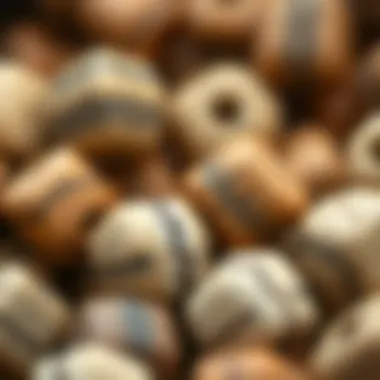
Ceramic beads, much like an old friend, have a nostalgic charm in the realm of jewelry making. Created from natural clay and typically finished with glazes, these beads stand out for their earthy aesthetics and robust feel. Unlike other types of clay beads, ceramic options tend to be heavier; however, they also exhibit a certain durability that can’t be overlooked. Their variety ranges from rustic to polished finishes, providing a broad spectrum for design.
- Handcrafted Appeal: Many ceramic beads are crafted by artisans, giving each bead unique characteristics.
- Glazed Finishes: These beads can be glazed in vibrant colors, contributing to a striking visual impact.
While selecting ceramic beads, designers should consider the weight of their creations and how it might affect wearability.
The Process of Making Clay Beads
Creating clay beads is not merely a craft; it’s an art form that embodies both creativity and technique. This process is pivotal in jewelry making because it lays the foundation for unique creations that range from whimsical to sophisticated. Understanding the nuances of making clay beads helps artisans master the skill and develop a personal style. The process includes selecting the right clay, shaping techniques, and proper baking and curing, each component playing a crucial role in the overall outcome of the final product.
Selecting the Right Clay
Choosing the right type of clay is the first step in crafting clay beads. With several options available, it’s critical to know their properties and how they function during the bead-making process. Polymer clay, for instance, is a favored choice due to its versatility and ease of use. Unlike air-dry clay, it doesn’t require any air exposure to harden, which means you can take your time with your designs.
Moreover, ceramic clays can also be attractive for those seeking a more traditional approach. Each type of clay has its specific weight, texture, and firing necessities, so the choice can significantly influence the end product’s final aesthetic and strength. Once the right clay is selected, the magic of shaping and crafting can begin.
Shaping Techniques
Shaping clay beads requires both creativity and technique, allowing jewelry makers to explore various forms.
Hand-rolling
Hand-rolling is one of the most common techniques in bead crafting. This method involves taking a small amount of clay and rolling it between your palms to create a bead. Its contribution to the overall goal is significant; it allows for a personal touch and customization that pre-made molds simply can’t match. Key characteristics of hand-rolling include the control it offers over size and shape. This technique is beneficial for artisans who favor a personal approach and often use their hands to express individuality.
However, hand-rolling may lead to inconsistencies in size, which could be a drawback, especially for those looking for uniformity.
Molds and Tools
Using molds and tools is another shaping technique that offers efficiency and precision. Molds come in different shapes and sizes, allowing for mass production of beads with exact dimensions. The key characteristic is the predictability it brings to the shaping process. This is especially important when one wants to assure that their designs are cohesive and well-formed.
The unique feature of using molds is how it can streamline the process, making it ideal for designers who need to produce in bulk. However, relying solely on this method can stifle creativity, as it often limits the variation that hand-shaping allows.
Baking and Curing
After shaping, the baking and curing process is vital to solidifying the beads. Different types of clay have distinct curing requirements, which range from oven-baked polymer clay to air-dry options that harden over time without heat. Baking ensures beads achieve their desired firmness and durability, making them suitable for wear.
Knowing the exact temperature and duration needed during the curing process is essential for achieving the best results. The careful attention given to this step can be the difference between a beautifully crafted bead and one that crumbles under pressure. In essence, proper baking and curing transform the raw product into a resilient piece ready for the world of fashion.
"Mastering the process of making clay beads is akin to learning a new language; it opens doors to vast possibilities in creative expression."
By following these steps, artisans can ensure a polished product that represents their artistic vision. The beauty of clay beads lies in their malleability and the craftsmanship that goes into every unique piece. Each bead carries a story, beginning from the thoughtful selection of clay to the final touches of baking.
Designing with Clay Beads
Designing with clay beads isn't just about making something pretty; it’s an intricate dance of creativity, function, and personal expression. This section explores the nuances of color theory, shape, size, and the creation of patterns and textures, which are all crucial in transforming simple clay beads into striking pieces of jewelry. The ability to mix and match these elements allows artisans to create unique works that can resonate with a wide range of audiences, thus enhancing the overall impact of their creations.
Color Theory in Jewelry Making
Understanding color theory is paramount when designing with clay beads. Colors can evoke emotions, set moods, and even convey messages. For instance, warmer hues like reds and oranges often evoke feelings of passion and excitement, whereas cooler tones like blues and greens can be calming and peaceful.
When choosing colors for your jewelry, consider the following:
- Color Wheel Basics: Complementary colors, those opposite each other on the wheel, create a vibrant look when paired together. For example, combining shades of orange clay with blue can create a striking visual impact.
- Monochromatic Schemes: Using varying shades of the same color can result in a sophisticated and cohesive design. Think about a series of clay beads ranging from pale pink to deep burgundy—very elegant.
- Earthy Tones: These tones often resonate well with natural fibers and materials, giving your jewelry a grounded aesthetic. Consider burnt sienna or olive green alongside natural stones or wood beads.
Incorporating metallic finishes on clay beads can also enhance their color dynamics, reflecting light and adding a touch of sophistication. The right color palette can not only amplify visual appeal but can also play a crucial role in the themes and stories fashion designers wish to convey.
Shape and Size Considerations
Shape and size are pivotal in the world of clay beads; they can dramatically influence both the aesthetic and funcional aspects of jewelry pieces. The choice of shape can dictate the movement and flow of a design, while size can determine its overall impact and wearability.
When selecting shapes, consider these points:
- Geometric vs. Organic Shapes: Geometric shapes, like squares or triangles, provide a modern, structured look, while organic shapes lend a more free-spirited, natural vibe. A combination of both can create interesting contrast within a design.
- Balance in Size: A well-crafted piece typically features a balance of sizes. Large focal beads can attract attention, while smaller ones can serve as accents that guide the eye throughout the piece. For instance, a single oversized clay bead surrounded by smaller ones can create a focal point that draws interest but does not overwhelm the design.
Understanding how to balance size effectively leads to greater harmony in the jewelry. A layout where every bead, big and small, plays its part guarantees a more engaging visual story.
Creating Patterns and Textures
Patterns and textures are often the magic sauce in jewelry design, elevating a simple string of beads into a stunning masterpiece. Clay beads offer immense potential for creativity, allowing for a variety of patterns and textures that can add depth and interest to your jewelry.
- Pattern Formation: Repeating shapes or colors can create rhythm in a piece. For example, alternating between a round bead and a star-shaped bead can invoke a playful, whimsical feel in a design. Consider your audience—what do they gravitate towards?
- Textural Contrasts: Mixing different textures can create a vivid experience. A smooth, glossy bead paired with a matte, rough-textured one can draw the eye and encourage the wearer to engage fully with the piece. Experimenting with different clay bead finishes, such as sanded versus polished, can yield delightful surprises.
In a practical sense, think about the sequence in which beads are arranged. A dramatic statement piece can be anchored by a strong pattern, while a more laid-back ensemble may benefit from a less structured, more spontaneous arrangement.
Designing jewelry with clay beads is like painting on a canvas, where each color, shape, and texture contributes to a larger artistic vision.
The art of designing with clay beads goes beyond mere aesthetics; it's about crafting a story, a feeling, or a culture, all through thoughtful consideration of color, shape, size, and texture. The insights shared here allow jewelry makers to elevate their craft, ensuring that every piece tells its own unique tale.
Techniques for Integrating Clay Beads
The incorporation of clay beads into jewelry making can open up a treasure trove of creativity and innovation. Techniques for integrating clay beads are crucial as they bridge the gap between raw artistic expression and functional design. Each method not only affects the aesthetic outcome but also determines the durability and usability of the finished piece. Below are essential techniques that help elevate jewelry fabrication, providing both stability and flair to the creations.
Stringing Beads
Using Wire
When it comes to stringing clay beads, using wire is one of the most prevalent methods among jewelry makers. This technique allows for a robust structure while also providing a clean and polished look. A key characteristic of wire stringing is its strength; it can support heavier beads without the fear of breakage, which is especially vital when working with layered designs.
A unique feature of using wire is the ability to customize length and design. One can create intricate patterns or include charms seamlessly. However, not everything shines brightly—tight stringing can occasionally lead to wear and tear on the clay beads over time, especially if they are particularly delicate. So, balance and careful handling are the name of the game here.
Using Elastic
Another popular choice for stringing clay beads is elastic. This option is particularly attractive for its flexibility and ease of use. Elastic stringing accommodates wearers of various sizes, making it accessible for bracelets and necklaces alike. An appealing aspect of elastic is that it offers a bit of give, providing comfort especially when worn for longer durations.
However, caution is advised. Elastic can lose its elasticity over time, which may lead to stretching. Not to mention, if knots aren’t secured properly, they can work their way loose, leading to a trail of beads left behind! For consistent durability, opt for high-quality elastic that can withstand more wear.
Combining with Other Materials
Metals
Incorporating metals into clay bead designs can greatly enhance the overall visual impact and structure. The mix of materials often brings about a sophisticated and polished finish, making pieces feel elevated and desirable. A dominant trait of using metals is the strength they provide, which perfectly complements the lighter nature of clay beads.
Metals are versatile—think of options like brass, silver, or gold plating to accentuate your design. However, it’s vital to be cautious of potential corrosion; improper care may lead to tarnishing, especially with lower-quality metals. So, choosing the right type of metal that suits both aesthetic and practical needs can be the deciding factor in your design's longevity.
Natural Stones
Natural stones are another marvelous addition to the mix. They can provide a vibrant contrast to the clay beads and establish a unique character in each piece. The variation in color and texture often elevates the overall design. Additionally, the weight of natural stones can help to balance out lighter clay beads, ensuring a well-structured piece that hangs beautifully on the body.
However, integrating natural stones can be more complex; they may require precise drilling and reinforcing mechanisms to secure them properly alongside clay. Moreover, the relatively higher cost of quality stones might impact the overall budget of a jewelry project. Yet, the investment is often worth it for the timeless appeal and uniqueness they add to designs.
In summary, the techniques for integrating clay beads are crucial elements that contribute to the overall presentation, durability, and functionality of jewelry pieces. Either stringing with wire or elastic, or combining with metals or natural stones, the options are vast and flexible. Each approach must be weighed carefully to suit personal style and project needs, ensuring that both form and function are addressed in the creative process.
For more insightful reading on materials and techniques, you might find resources at www.britannica.com or join discussions on www.reddit.com regarding jewelry design.
Caring for Clay Bead Jewelry
Caring for clay bead jewelry is not just an afterthought; it is a fundamental aspect that can significantly extend the life and appeal of your cherished pieces. Unlike their metal or glass counterparts, clay beads require more attention due to their unique composition and vulnerabilities. This section highlights the importance of proper maintenance and introduces practical approaches for cleaning and storing your clay bead jewelry, making it both durable and visually stunning.
Cleaning Methods
When it comes to keeping your clay bead jewelry in tip-top shape, the cleanup isn’t just a matter of hopin' for the best. Regular cleaning is crucial to prevent dirt, oils, and other residues from marring the surface of the beads. Here are some effective cleaning methods:
- Soft Cloth Wipe: A simple soft cloth can do wonders. Just lightly wipe down your jewelry after wearing it to remove any oils from your skin. Make sure to use a lint-free cloth to avoid leaving fibers behind.
- Mild Soap Solution: For a more thorough clean, mix a few drops of mild soap in lukewarm water. Dip a soft cloth into the solution, wring it out, and gently wipe your beads. Avoid soaking, as too much water can damage air-dry clay. Rinse with another cloth dampened with clean water and dry it completely.
- Avoid Harsh Chemicals: It’s tempting to grab that bottle of cleaning spray, but resist! Harsh chemicals can degrade the material and finish of your clay beads. Always opt for gentle solutions.
"A little TLC goes a long way in preserving the charm of your clay creations."
Taking these steps will not only keep your jewelry looking fresh but also maintain its integrity over time.
Storage Recommendations
The way you store your clay bead jewelry can make or break it. Proper storage is key to preventing scratches, dents, and other damage that often occurs during everyday handling. Here are a few recommendations to keep your pieces safe:
- Separate Storage: Store each piece separately to keep beads from scratching against each other. Small fabric pouches, soft jewelry boxes, or even an egg carton can serve as effective solutions.
- Avoid Direct Sunlight: Prolonged exposure to sunlight can fade the colors of your clay beads. When you’re not wearing them, keep your jewelry in a cool, dark place to maintain its vibrancy.
- Temperature Control: Extreme temperatures can affect the integrity of clay beads. Try to avoid placing your jewelry near heating vents or in steamy environments like bathrooms. A stable climate will help preserve the material's texture and appearance.
- Use Anti-Tarnish Strips: If your clay beads are mixed with metals, consider utilizing anti-tarnish strips in your storage area. This helps to combat oxidation and tarnishing.
By implementing these cleaning and storage strategies, your clay bead jewelry can remain a stunning and integral part of your style for years to come.
Exploring Market Trends
The contemporary jewelry market is a vibrant and dynamic space, with consumer preferences and artistic expressions constantly shifting. Understanding market trends is essential not only for jewelers and artisans but also for fashion designers and retailers. The world of clay bead jewelry serves as a fascinating case study to assess these changes. Being in tune with the trends can help in predicting what might resonate with customers, shaping the direction of collections and marketing strategies.
Identifying current trends allows jewelry makers to move with the times, ensuring their creations feel fresh and relevant. The ability to adapt designs based on prevalent styles can lead to increased sales, while also avoiding stagnation of one’s creative output. There are several key considerations to take into account when exploring these market trends:
- Material Preferences: As environmental consciousness grows, many consumers are leaning towards sustainable materials, contributing to the demand for eco-friendly clay.
- Customization and Personalization: Modern buyers often favor unique and personalized pieces over mass-produced objects. Custom clay bead jewelry that reflects individual identity is becoming increasingly popular.
- Tech-Integration: Advancements in technology have simplified the craft, enabling jewelers to explore new methods of creation and online sales strategies. Utilizing platforms like social media has also expanded potential audience reach.
Overall, being aware of these trends helps jewelers and designers craft pieces that are not only alluring but also attuned to what the market craves today.
Current Trends in Clay Bead Jewelry
The clay bead jewelry sector is experiencing a renaissance, driven by various trends that highlight creativity and individual expression. One notable trend is the embrace of bold colors and patterns, often seen in artisan collections. Handcrafted uniqueness offers significant appeal; each bead carries the artisan's fingerprint, making it one-of-a-kind. The whimsical and eclectic styles are also gaining traction, often mixed with retro influences drawn from past decades, such as the colorful aesthetics of the 70s and 80s.
Some popular avenues in clay bead jewelry include:
- Geometric designs: Striking sharp lines and angles are trending, appealing to younger audiences looking for contemporary elegance.
- Nature-inspired themes: Earthy tones and floral designs echo a return to natural motifs, emphasizing sustainability and organic sources.
- Layering techniques: People love to mix and match different necklaces with various lengths and beads, allowing creativity in personal style.
These trends highlight the beauty of clay beads as versatile elements in jewelry making, providing artisans all the ammunition they need to attract buyers.
Consumer Preferences
As the world becomes more interconnected, consumer preferences are becoming more pronounced and nuanced. To truly understand what today’s buyers want, one must dive into the psyche of the modern jewelry shopper. A significant facet of this is the desire for authenticity and stories behind the pieces. For many, it’s not just about wearing jewelry; it’s about representing a narrative they relate to or appreciate. Clay beads—celebrated for their artisanal quality—often embody such stories.
Further aspects capturing consumer interest include:
- Pieces with purpose: Many buyers gravitate towards brands that stand for something bigger, whether it’s supporting local craftsmen or pushing for fair trade practices.
- Functional art: Jewelry is increasingly viewed as both an accessory and art. Consumers appreciate pieces that can be seen as conversation starters, particularly if they’re unique and handcrafted.
- Influencer culture: Social media influencers play a pivotal role in shaping consumer preferences, showcasing clay bead jewelry in myriad contexts and styles.
By keeping an ear to the ground regarding consumer behavior, artisans can tailor their styles to not only meet but exceed expectations, paving the way for greater engagement and loyalty.
Epilogue
In wrapping up our exploration of clay beads in jewelry making, it is crucial to recognize the multifaceted role they play not just as decorative elements but as a means of self-expression. The journey through this article reveals how artists and hobbyists alike can elevate their creations through nuanced understanding and innovative application of clay beads. Each type of clay—be it polymer, air-dry, or ceramic—comes with its own set of unique properties, enabling makers to choose materials that align best with their artistic vision and functional needs.
Recap of Key Points
As we reflect on the main takeaways from our discussion, several points stand out:
- Types of Clay Beads: We discussed the various forms, like polymer clay beads known for their versatility and vibrant colors, air-dry clay beads which offer a simple crafting process, and ceramic beads that provide both durability and a handmade touch.
- The Creation Process: From selecting the right clay to mastering shaping techniques such as hand-rolling and mold usage, it's clear that the craftsmanship involved significantly impacts the final product.
- Design Considerations: The importance of color theory, size, shape, and pattern creation was emphasized for designing visually appealing and harmonious jewelry pieces.
- Integration Techniques: Whether stringing with wire or combining with metals and natural stones, the methods of incorporating clay beads are numerous and enriching.
- Caring for Jewelry: Never underestimate the value of proper care and storage, as these practices prolong the beauty and life of the jewelry.
By revisiting these key elements, jewelry makers are better equipped to approach their craft with an informed mindset and innovative flair.
Looking Ahead in Jewelry Making
The world of clay bead jewelry is a dynamic space where trends evolve quickly. As we look ahead, there are a few notable directions for the craft:
- Sustainability: With a growing focus on eco-friendly materials, expect to see more jewelers exploring organic or recyclable clays to create sustainable jewelry pieces that appeal to conscious consumers.
- Customization: More artisans are embracing personalized designs, allowing clients to offer their input on colors, patterns, and shapes, thereby creating a unique connection to the finished product.
- Digital Influence: The rising use of social media platforms is changing the way jewelry trends are set, promoting interactive craft challenges and innovative techniques through video tutorials and online workshops.
Looking further down the road, the fusion of traditional techniques with modern technology could lead to even more creative possibilities in the jewelry sector. By pushing boundaries and experimenting with new styles and materials, the future of clay bead jewelry promises not just to be vibrant but also exemplifies individual creativity and cultural diversity.