Exploring the Charm of Slim Dresses: Styles and Tips
Intro
Slim dresses have held a captivating place in the realm of fashion, creating silhouettes that accentuate natural curves and offer a chic appearance suitable for myriad occasions. This style, often associated with sophistication and elegance, comes in a variety of designs, colors, and fabrics, catering to diverse preferences and body types.
In today's fast-paced world, understanding the allure of slim dresses involves more than mere aesthetics; it is about appreciating their evolution, knowing how to style them effectively, and uncovering which fabrics work best for your particular needs. Whether you’re a fashion designer mapping out the latest trends, a stylist preparing for a client meeting, or simply a fashion enthusiast exploring ways to elevate your wardrobe, this guide equips you with essential insights from the annals of style history to practical styling techniques.
As you meander through the article, keep an eye out for essential tips and a thoughtful examination of body types, ensuring that by the end, you’ll possess the knowledge akin to that of a seasoned fashionista. Ready to unravel the enigma of slim dresses? Let's dive right in!
Prologue to Slim Dresses
Slim dresses hold a noteworthy position in the world of fashion. They are more than just a piece of clothing; they symbolize elegance and confidence. The way a slim dress fits and flows can transform an individual's silhouette, making it a staple in many wardrobes. Understanding what defines slim dresses, their characteristics, and their historical significance enriches one's appreciation of this garment.
Definition and Characteristics
Slim dresses are often designed to closely fit the body, accentuating curves and creating streamlined appearances. Typically, these dresses feature tailored cuts, minimal bulk, and fabrics that hug the body without being restrictive. Common materials include jersey, silk, and various blends that provide both comfort and style.
Characteristics of slim dresses can include:
- Figure-hugging fit: Designed to highlight the wearer’s shape rather than mask it.
- Length variety: Available in mini, midi, and maxi lengths, catering to diverse preferences and occasions.
- Simple lines: Often feature straightforward designs that allow for versatility in styling.
- Elegance in simplicity: Stripped of excessive embellishments, they often emphasize the natural beauty of the body.
When worn correctly, slim dresses can be both empowering and versatile. They suit a range of settings, from casual outings to formal events, with the right accessories. This adaptability makes them a go-to choice for many.
Historical Context
The journey of slim dresses through history is as fascinating as the garment itself. From the intricate designs of the 1920s flapper dresses that embraced the freedom of movement to the sleek lines introduced in the 1960s, slim dresses have evolved significantly.
In the 1920s, the straight cut of the flapper dress revolutionized women's fashion. It represented a break from the more structured forms of previous decades, providing a sense of liberation. Designers like Coco Chanel championed this style, emphasizing simplicity and elegance, which laid the groundwork for what we consider slim dresses today.
Fast forward to the 1960s, and the shift to more fitted silhouettes became the new norm—the iconic sheath dress became a staple. This period reflected societal changes, where women were seeking both independence and a refined aesthetic.
As decades progressed, slim dresses continued to adapt to cultural shifts, mirroring the fashion industry's responses to social movements and emerging trends. Modern interpretations merge classic elegance with contemporary flair, broadening their appeal and reinforcing the notion that a slim dress is a timeless piece suited for any wardrobe.
"Fashion is the armor to survive the reality of everyday life." - Bill Cunningham
In summary, recognizing the significance of slim dresses involves understanding their defining features and historical progression. This knowledge aids in making informed styling choices and can elevate how one perceives this compelling garment.
Contemporary Trends in Slim Dresses
In the ever-changing landscape of fashion, slim dresses stand as a continuous favorite among style-conscious individuals. Their adaptability and elegance offer myriad opportunities for innovative styling and bold self-expression. Understanding current trends in slim dresses is crucial for anyone in the fashion industry—designers, stylists, retailers, and influencers alike. By tuning into what’s trending, they can create pieces that resonate with consumers, encouraging sales and fostering brand loyalty.
Current Fashion Trends
As we navigate through the present fashion scene, slim dresses are evolving with contemporary tastes and cultural shifts. Let's break down some of the key elements shaping today’s slim dress designs:
- Bold Patterns and Prints: No longer restricted to solid colors, slim dresses are embracing vibrant patterns ranging from florals to geometric designs. Designers are playing with contrasting hues to create eye-catching ensembles that reflect a lively spirit.
- Cutouts and Asymmetry: A rising trend is the use of cutouts, allowing for a hint of skin that adds a daring dimension to traditional silhouettes. Asymmetrical hemlines are also gaining popularity, offering a blend of classic and contemporary aesthetics that catches the eye.
- Sustainable Fabrics: In today’s eco-conscious world, many consumers prioritize sustainability. Designers are responding by using organic cotton, bamboo, and other sustainable materials to craft slim dresses that marry style and environmental responsibility.
- Vintage Revival: Fashion is known for its cyclical nature. Currently, there’s a resurgence of vintage-inspired designs, reminiscent of the 90s and early 2000s. These slim dresses often feature empire waists or are adorned with lace, appealing to nostalgia while retaining their modern flair.
Influence of Social Media
Social media has altered the way fashion trends circulate, making them more accessible and rapidly trending. Platforms like Instagram and TikTok play a pivotal role in shaping public perception and understanding of slim dresses. Influencers showcase a variety of slim dress styles, from day to night looks, inspiring followers with ideas on how to wear these garments.
"Social media serves as a virtual runway, influencing what consumers desire and how they perceive slim dresses."
Utilizing hashtags effectively, influencers often highlight specific trends, such as #SustainableFashion or #VintageVibes, leading their audience toward conscious choices when it comes to their wardrobe. Furthermore, user-generated content encourages a sense of community where fashion enthusiasts share their personal takes on styles, enabling a diverse range of interpretations of slim dresses.
As popular stores and online retailers catch wind of these trends, they curate collections that reflect the zeitgeist. This synthesis of consumer demand and celebrity endorsements creates a potent mix, underscoring how vital social media is for sustaining interest in slim dresses.
Styling Slim Dresses for Various Occasions
When it comes to fashion, understanding how to style pieces for specific occasions can make all the difference. Slim dresses, with their elegant silhouette, can adapt beautifully to a range of environments, from the workplace to weekend gatherings. The ability to transition this singular style choice across contexts highlights its versatility and importance in a modern wardrobe. Knowing how to effectively dress it up or down adds value to personal style while ensuring one can always be appropriately attired.
Work Environment
In a work environment, slim dresses can project professionalism while ensuring comfort. Opting for structured fabrics like cotton blends or wool can lend an air of formality.
Consider pairing a sleeveless navy slim dress with a lightweight blazer for a polished look. This approach not only maintains the dress's sleek lines but also brings it up a notch in professionalism.
Accessories here are subtle yet impactful; a pair of pointed-toe flats keep the look sharp without sacrificing comfort. It’s vital to keep jewelry minimal. A delicate watch or stud earrings can enhance the outfit without being overpowering. Remember, your goal is to appear competent and stylish, embodying the essence of professionalism without slipping into mundanity.
Casual Outings
For casual outings, the slim dress can really shine, allowing for a blend of ease and style. Imagine a cotton jersey slim dress in a fun print, perfect for a weekend brunch or a day out exploring. The key here is to experiment with colors and patterns that reflect personal style.
Enhance the casual vibe by pairing a floral slim dress with a denim jacket. This combo not only adds warmth but also a twist of texture to the outfit. Footwear plays a crucial role; consider sporty sneakers or a pair of espadrilles for a relaxed yet stylish look.
In this scenario, accessories can be playful. A crossbody bag or bold sunglasses add character while being practical. Take the opportunity to express personality, as casual outings often allow for more whimsical choices in both accessories and fabric.
Formal Events
For formal events, a slim dress becomes a canvas for sophistication. When selecting a dress for a gala or an evening affair, opt for luxurious fabrics like silk or satin that cling and flow beautifully, accentuating the body without being overly revealing. A deep red or classic black slim dress can bring an elegance that commands attention.
Layering becomes critical; a fitted shawl or cape can elevate the look while providing coverage. Completing this ensemble with strappy heels adds height and poise. Jewelry can both complement and amplify the outfit, such as chandelier earrings or a statement bracelet, but it's crucial to strike a balance to avoid appearing overdone.
As you navigate various occasions, always remember that a slim dress can be adapted, transformed, and personalized with the right choices in accessories, fabric, and layering. This adaptability makes it a staple worth investing in. A well-styled slim dress will ensure confidence and poise, no matter where the day—or night—leads you.
Fabric Choices and Their Impacts
When it comes to slim dresses, fabric selection isn’t just a matter of preference; it profoundly influences the overall impact, aesthetic, and comfort of the garment. The choice of fabric can dictate how a dress hangs on the body, the impressions it projects, and even the occasions where it thrives. Let's delve into the critical elements of fabric choices and their implications on slim dresses.
Natural versus Synthetic Fabrics
In the world of fashion, fabrics generally fall into two broad categories: natural and synthetic. Understanding the qualities of each can paint a clearer picture for fashion designers, retailers, and individuals keen on making informed decisions.
Natural Fabrics
Natural fabrics, such as cotton, silk, and linen, are derived from plants and animals. Here are a few reasons why they could be the better option:
- Breathability: These fabrics typically allow air to circulate, which is essential for comfort, especially in warmer climates.
- Aesthetic Appeal: Natural fibers often drape beautifully, which can enhance the silhouette of a slim dress. For instance, a silk satin dress can cling in all the right places, creating an elegant line.
- Eco-Friendliness: With rising awareness of sustainable fashion, many are seeking out natural materials that have less environmental impact than their synthetic counterparts.
However, natural fabrics can also come with their own set of challenges, such as wrinkling, shrinking, and the need for gentle care.
Synthetic Fabrics
On the flip side, synthetic fabrics like polyester, nylon, and spandex play a significant role in the modern wardrobe.
- Durability: These fabrics are typically tough and resistant to wear, which means that a slim dress made of polyester, for example, can handle frequent use without losing its shape.
- Cost-Effectiveness: Synthetic options usually come at a lower price, making fashion accessible to a wider audience. This matters to retailers looking to stock collections that cater to varying budgets.
- Variety of Textures: The innovation in synthetic textiles offers a spectrum of textures and finishes, allowing for creative designs that could appeal to diverse tastes.
Though they can be less breathable, technologies in fabric production are improving in this area, making them more comfortable than before.
Seasonal Fabric Selection
Choosing the right fabric isn’t just about the characteristics of the material; it also involves considering the season. The right choice can make or break the practicality and charm of a slim dress.
- Spring and Summer: Light fabrics like cotton and linen are ideal for warmer months. They keep you cool while providing a stylish silhouette. A floral slim dress in breathable cotton, for instance, can be just what one needs for a picnic or garden party.
- Fall and Winter: As temperatures drop, heavier fabrics such as wool blends and thicker knits are preferable. They not only provide warmth but can also add structure to a slim dress, accentuating features in a flattering way. A wool-blend dress could be a chic choice for an evening out or holiday gatherings.
*"Choosing the right fabric is like choosing the frame for a beautiful painting; it enhances the subject and delivers the desired message."
- Versatility: Fabrics also play a role in how well a dress can transition between seasons. For example, a dress designed with a heavier fabric can often be layered with tights and jackets during colder weather, maintaining its style without sacrificing warmth.
Being aware of this seasonal aspect is crucial for fashion designers and stylists who wish to create pieces that resonate year-round with clientele.
In summary, the influences of fabric choices in slim dresses cannot be overstated. The right fabric enhances the silhouette, ensures comfort, and serves both aesthetic and functional purposes. As we navigate through the ever-changing landscape of fashion, recognizing the significance of material will empower the audience to make informed decisions that elevate their wardrobe.
Body Types and Slim Dresses
Understanding how body types influence the choice of slim dresses is crucial for anyone keen on making the most of this elegant wardrobe staple. It isn’t simply about slipping into a dress; it’s about choosing the right silhouette that enhances confidence and showcases an individual’s unique shape. Slim dresses are designed to hug the form, which means that knowing your body type can elevate your style and ensure that the dress flatters rather than constricts.
Wearing a slim dress can feel empowering, but if you pick the wrong shape, you might end up feeling less than fabulous. The goal is to highlight your best features while ensuring comfort. Not all fabrics and cuts will be kind to every body type, thus understanding these nuances is vital for both stylists and consumers alike.
Identifying Suitable Silhouettes
When selecting a slim dress, it’s wise to first identify which silhouettes complement your body type. Each body shape has its own characteristics, and recognizing these can lead to a more satisfying shopping experience. Here’s a rundown of common silhouettes:
- A-Line: This style flares gently from the waist, making it suitable for pear-shaped bodies. It creates an illusion of a smaller waist while balancing proportions.
- Column: Perfect for those with an athletic frame, this direct silhouette falls straight down, emphasizing long lines without much flair.
- Fit-and-Flare: This design cinches the waist and then extends outward, ideal for hourglass figures. It highlights curves while maintaining comfort.
- Sheath: A sheath dress hugs the body closely and suits well-defined shapes, such as hourglass or rectangle. Nonetheless, this style can also flatter in the right size for curvier bodies.
The most fitting silhouette can change the game. A well-structured dress enhances natural beauty and optimizes comfort.
Considering these options allows a broader selection while shopping. Measure your proportions and try on various styles until you find one that feels right.
Enhancing Features with Styling
Once you’ve settled on the right silhouette, the next step is to delve into ways to enhance your features using additional styling techniques. Here are some thoughtful considerations:
- Layering Wisely: A tailored blazer or a cropped cardigan can lengthen the torso and add dimension, which can be particularly flattering for those with shorter legs.
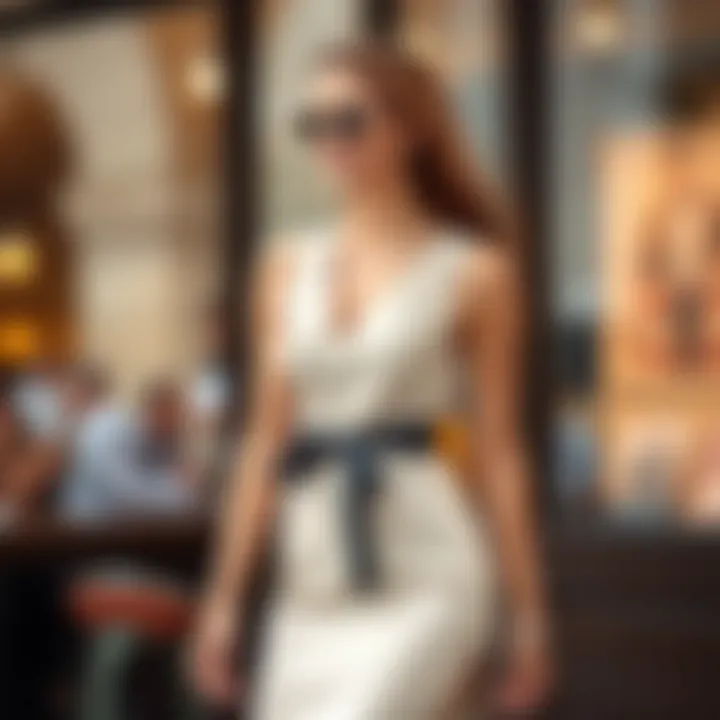
- Belt Up: Adding a belt at the waist can not only provide a polished finish but also cinch in any excess fabric and define your shape better, especially if you have an undefined waist.
- Footwear Preferences: Choosing heels can elevate your look while elongating your legs, making a huge difference accentuating a slim dress.
- Statement Accessories: Large accessories like bold necklaces or earrings can draw attention upwards, balancing out the slimness of the dress.
Always remember that dressing should make you feel good. Pay attention to what feels comfortable and suits your personal style. Each of these techniques can help to enhance not just the dress itself but your entire demeanour, allowing the slim dress to serve as a canvas for your individual expression.
For more insights on body types and fashion, check out Wikipedia on Body Shapes and Fashion Tips on Body Types.
Accessorizing Slim Dresses
Accessorizing slim dresses is an art that can elevate a simple outfit into something spectacular. The right accessories not only enhance the overall look but also reflect personal style. When it comes to slim dresses, there are a few specific elements to consider to ensure the accessory choices complement rather than overpower the delicate lines of the dress.
One may think that slim dresses are simple garments requiring minimal adornment, but this is a common misconception. Accessories can add depth and interest, allowing for versatility. For instance, pairing a basic black slim dress with bold, statement jewelry or a vibrant handbag can transform it from a day look to an evening ensemble effortlessly.
Footwear Choices
Footwear plays a crucial role in how a slim dress is perceived. The right shoes can accentuate a polished appearance, while the wrong ones might detract from it. For casual outings, a chic pair of ankle boots can add an unexpected edge, giving a contemporary vibe. Alternatively, classic pumps are a go-to for a more refined look—perfect for workplace settings or formal gatherings.
When looking for footwear, consider these factors:
- Height and Comfort: Choose shoes that you feel comfortable walking in. Heels can elongate the legs, but if they compromise comfort, it might not be worth it.
- Color Coordination: A pair of neutral-toned shoes can anchor an outfit, while a pop of color can make heads turn. Think playful yet sophisticated.
- Style Alignment: Ensure the style of the shoe aligns with the dress. A flowy, bohemian dress paired with harsh leather boots might create a mismatch.
Jewelry and Other Accessories
Jewelry can bring life to a simple slim dress. It serves as the icing on the cake; a subtle cuff bracelet or a chunky necklace draws the eye in without overwhelming the overall silhouette. Minimalist designs often work well with slim dresses, especially if the dress itself has unique features like asymmetric cuts or intricate detailing.
When selecting jewelry, think about:
- Balance: If the slim dress has a lot of details, opt for understated jewelry. Conversely, if the dress is relatively plain, bold accessories can add much-needed pizzazz.
- Layering: Layering necklaces of varying lengths can create an interesting focal point. This technique makes the neckline of your dress feel more dynamic.
- Themed Accessories: For themed events, accessories that match the occasion can create a cohesive look. For instance, choosing nautical-themed jewelry for a seaside wedding can provide subtle thematic resonance.
"The right accessory choices can shift the mood of an outfit, making it feel fresh or timeless, depending on your intention."
Care and Maintenance of Slim Dresses
Taking care of slim dresses is crucial for preserving their elegance and longevity. A well-maintained piece can stand the test of time, enhancing both your wardrobe and personal style. Given their fitted nature, slim dresses require particular attention to cleaning and storage practices. Neglecting these aspects can lead to fabric deterioration, loss of shape, and fading of colors. Thus, understanding how to care for your slim dresses not only protects your investment but also ensures you look your best when wearing them.
Cleaning Guidelines
Cleaning slim dresses needs a careful approach. Depending on the fabric, the care instructions can vary significantly. Here are several points to consider:
- Read the Label: Before anything, check the care label. Failure to heed these instructions can result in irreversible damage. Some dresses may be machine washable while others require dry cleaning.
- Gentle Wash: For washable dresses, use cold water and a delicate cycle. This minimizes the risk of shrinkage and fabric wear. If the dress is delicate, consider using a mesh laundry bag to provide additional protection.
- Stains: Treat stains promptly. Use a gentle cleanser on the specific area instead of soaking the entire garment. For oil-based stains, dab don’t rub, to avoid spreading.
- Air Dry: After washing, air dry the dress rather than using a tumble dryer. Hanging it on a padded hanger will help maintain the shape and avoid wrinkles. Also, avoid direct sunlight to prevent fading.

"Proper care for slim dresses not only enhances their appearance but also contributes to sustainability in your wardrobe."
Storage Practices
How you store your slim dresses can make a significant difference in their condition over time. Here are some useful tips:
- Hang or Fold: Depending on the fabric, you may need to hang your dress to maintain its shape. However, heavier fabrics may benefit from being folded to prevent stretching.
- Use Padded Hangers: If hanging, opt for padded hangers. They help maintain the dress's silhouette and prevent slippage. Avoid using wire hangers as they can leave marks on the fabric.
- Protect from Dust: Cover your dresses with a breathable garment bag when not in use. This keeps dust at bay while allowing the fabric to breathe.
- Climate Considerations: Store your dresses in a cool, dry place. Avoid areas prone to moisture and heat, as they can lead to mildew or discoloration.
By diligently following these care and maintenance tips, you can ensure that your slim dresses remain as stunning as the day you bought them. Making the effort in preserving these garments speaks volumes about your attention to detail in personal style.
Cultural Perspectives on Slim Dresses
The allure of slim dresses extends beyond mere aesthetics; it intertwines with cultural narratives, influences, and identities. This section delves into how different societies interpret and adapt this timeless garment, shedding light on how variations in design reflect local traditions, body ideals, and social values. Understanding these cultural perspectives is essential for fashion designers, stylists, and other industry professionals as they navigate an increasingly globalized market. The ability to appreciate and respect these differences can significantly enhance the creativity and relevance of fashion offerings.
Global Variations in Design
Slim dresses are not a one-size-fits-all concept. Across the globe, one can observe a myriad of adaptations that speak volumes about local styles, fabrics, and functional needs. For example:
- Japanese Kimonos: These traditional garments may seem distant from the contemporary slim dress. However, kimonos often feature a structured silhouette that channels the elegance of slim designs. The use of rich fabrics and intricate patterns showcases a balance between simplicity and artistry.
- Indian Sarees: The saree, when draped elegantly, can create a slim silhouette that celebrates the female form. Indian fashion designers often introduce innovative styles that integrate slim dress concepts, using vibrant colors and unique draping techniques.
- West African Wrap Dresses: These dresses, generally made from vibrant printed fabrics, are tailored to accentuate curves and slim figures, offering a blend of comfort and style. The cultural significance of the patterns used can also narrate stories and ancestral heritages.
This melodic mixture of global influences speaks to the adaptability of the slim dress, showcasing its universal appeal while reflecting local aesthetics.
Cultural Significance
The cultural significance of slim dresses stretches into various realms, from identity expression to social commentary. In many societies, slim dresses represent not just a fashion choice but a form of self-expression. Here are a few key points:
- Symbol of Empowerment: In contemporary settings, wearing a slim dress can symbolize confidence and empowerment. For many women, slipping into this kind of garment is about embracing one's identity while asserting femininity within a public space.
- Social Commentary: Designers frequently utilize slim dresses to critique or celebrate cultural norms. For instance, runway shows may feature models of various sizes, emphasizing inclusivity and changing the narrow definitions of beauty often perpetuated by the industry.
- Tradition and Modernity: As societies evolve, so do their cultural garments. Slim dresses, whether rooted in tradition or modern design, often serve as a bridge between heritage and contemporary life. They can evoke nostalgia while resonating with current fashion trends, offering a canvas for designers to explore themes of transformation.
"Fashion is about more than just clothes; it's about expressing who you are and where you're from, a beautiful blend of the past and the present."
Through these cultural lenses, we can appreciate the complexities that slim dresses encompass. These perspectives not only elevate our understanding of the garment but also inspire creativity in future designs, ensuring that they resonate with audiences across diverse backgrounds.
The Future of Slim Dresses
The allure of slim dresses does not cease with current trends; rather, it evolves continuously, influenced by a myriad of factors including culture, sustainability, and consumer preferences. Understanding the future of slim dresses is critical because it helps fashion designers, stylists, retailers, and influencers stay ahead of the curve. It’s about more than just aesthetics; it involves anticipating shifts in consumer behavior and adapting to societal changes.
Sustainability in Fashion
Sustainability has become a buzzword in the fashion industry, and it’s transforming how slim dresses are designed, produced, and marketed. Brands are now shifting focus to environmentally friendly practices, given that today’s consumers are increasingly mindful of their purchases. This includes using organic fabrics, recycling old clothing, and adopting ethical manufacturing processes.
- Organic cotton and bamboo fabrics are gaining traction among designers who want to create stylish, slim dresses while minimizing environmental impact.
- Recycled materials, such as polyester derived from plastic bottles, are now being integrated into fashionable garments, promoting a circular economy.
A greater emphasis on sustainable fashion doesn’t only benefit the environment; it also appeals to customers who wish to make responsible choices. Brands that embrace sustainability can enhance their reputations and foster loyalty among environmentally conscious shoppers.
"Fashion is not just about looking good; it’s also about doing good for the planet. As the future unfolds, the dresses we choose must reflect our values."
Evolution of Styles
The evolution of styles in slim dresses demonstrates how fashion is influenced by historical and cultural shifts. Styles that once epitomized an era can resurface with a contemporary twist. For instance, the bodycon dress, popularized in the early 2000s, is witnessing a resurgence but in a more modest and versatile form.
- Current designs often incorporate elements such as asymmetrical lines, mixed fabrics, and paneling techniques that provide structure while remaining comfortable.
- Customization has also made a notable impact. With technologies like 3D printing, slim dresses are being tailored to fit unique body shapes, allowing for personal expression without sacrificing style.
As fashion continues to change, slim dresses will likely adapt to encompass diverse silhouettes and styles that mirror societal moods. The future lies in blending tradition with innovation, ensuring that slim dresses remain relevant in wardrobes everywhere.
Culmination
The discussion surrounding slim dresses is more than a passing trend; it reflects our evolving understanding of fashion, body image, and personal style. As this article explored, slim dresses hold a special place in wardrobes for their versatility and timeless elegance. The key insights laid out throughout the article showcase how these dresses can flatter various body types, when styled appropriately, and how they adapt to multiple occasions.
Recap of Key Insights
- Definition and Characteristics: Slim dresses are defined by their form-fitting nature, accentuating the figure while offering a sense of comfort if made from the right fabrics.
- Styling Techniques: Tailored accessories such as belts, statement jewelry, and appropriate footwear can elevate the simplicity of a slim dress, allowing it to transition from a casual day out to a formal evening event.
- Cultural Perspectives: The interpretation of slim dresses varies across cultures, impacting design choices and the significance these garments hold in various societies.
- Sustainability Considerations: As the fashion landscape shifts towards eco-friendly practices, the future of slim dresses also includes sustainable sourcing of materials and ethical production methods.
- Body Types and Suitability: Understanding distinct body types enables individuals to choose silhouettes that enhance their natural form, promoting confidence and comfort.
By choosing well and being mindful of how these garments align with one's identity and lifestyle, slim dresses become staples that can withstand the test of time.
Final Thoughts
In the grand tapestry of fashion, slim dresses weave a narrative that celebrates femininity, strength, and style. Their allure lies not just in their design, but in the empowerment they offer to those who wear them. It is crucial for fashion designers, stylists, and retailers to recognize this power and to embrace the individuality that each customer brings. As you explore these sleek silhouettes, remember that every dress tells a story—make sure yours captures the essence of who you are.